


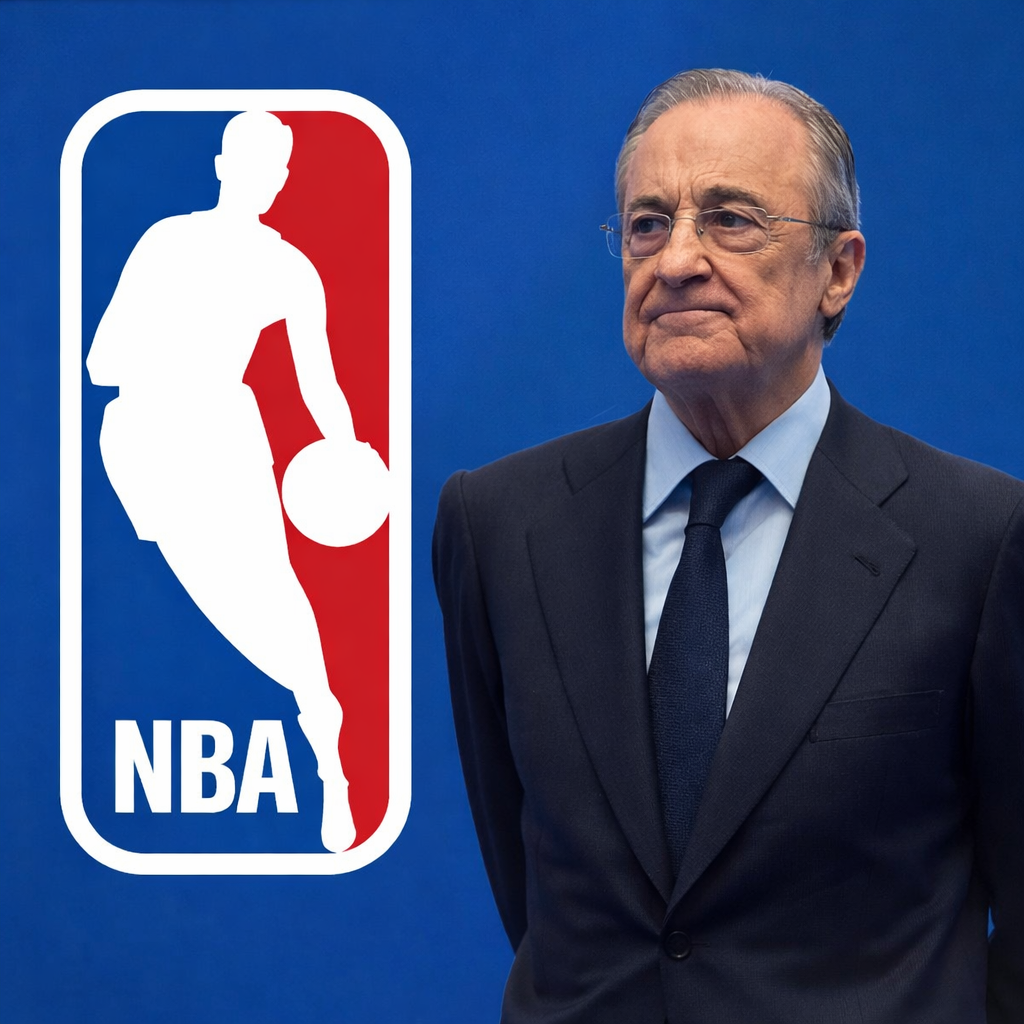
For generations, Real Madrid basketball has been a constant in European sport. Not just successful, not just famous, but familiar. Tuesday nights in packed arenas, EuroLeague rivalries steeped in history, and a sense that Madrid belonged at the very heart of the European game. That certainty is now being shaken.
According to Spanish radio reports citing NBA-linked sources, Real Madrid’s move to the NBA Europe League in 2027 is now “99 percent confirmed.” If it goes through, Los Blancos would become one of 12 founding clubs in a new 16-team competition set to launch in October 2027 a project that could redefine European basketball as we know it.
For some, it sounds like progress. For others, it feels like the beginning of something unrecognizable.
A deal that could change everything
The NBA’s ambition in Europe has never been subtle, but this would be its boldest step yet. The proposed NBA Europe League is expected to operate under a franchise-based model, drawing inspiration from North American sports rather than Europe’s traditional open competitions.
At the center of that plan is Real Madrid arguably the most powerful name in European basketball. The club brings trophies, global reach, and credibility. NBA sources reportedly believe franchise values could soar to $1 billion within five to six years, and Madrid’s presence would help drive that growth from day one.
From a business standpoint, the logic is obvious. A closed league promises financial stability, predictable revenues, and long-term planning. For a club that already thinks globally, aligning with the NBA’s brand and commercial muscle feels like a calculated move rather than a gamble.
But basketball, especially in Europe, has never been just about balance sheets.
Walking away from the EuroLeague
The most emotional part of the story is what Real Madrid would be leaving behind. Reports suggest the club will skip the EuroLeague next season, ending a relationship that has defined modern European basketball. Madrid are not just participants in the EuroLeague they are part of its identity.

There is talk of a temporary stopgap, possibly involving a FIBA-organized competition, but that only highlights the uncertainty of the transition. For fans used to iconic EuroLeague nights, rivalries, and traditions, the idea of Madrid stepping away feels almost surreal.
EuroLeague leadership has played down the drama, with its CEO dismissing the situation as “old news.” Barcelona, meanwhile, have taken the opposite approach, publicly reaffirming their commitment to the EuroLeague until 2036–37. The message is clear: Europe’s biggest clubs are no longer pulling in the same direction.
Fans push back: “This isn’t why we fell in love”
Perhaps the strongest reaction has come from the stands. Real Madrid supporter groups Berserkers and Los Ojos del Tigre issued warnings on January 19, arguing that the move risks turning basketball into a “luxury product” disconnected from the fans who built it.
Their fear isn’t just about leaving the EuroLeague it’s about losing identity. Franchise leagues, by design, remove jeopardy. No relegation. No qualification battles. No sporting punishment for failure. To many traditional supporters, that feels like stripping the soul out of competition.
It’s a familiar argument in European sport, especially among football fans who resisted similar ideas in the past. Basketball is now facing its own version of that crossroads: tradition versus transformation.
The NBA vision vs the European soul
From the NBA’s perspective, Europe represents untapped potential. The continent produces elite talent, attracts global audiences, and yet remains fragmented. A centralized, franchise-driven league offers control, consistency, and commercial clarity.
For clubs like Real Madrid, the attraction is undeniable. Financial security, global exposure, and a seat at the table of basketball’s most powerful institution. In an era where sustainability matters as much as success, the NBA model offers certainty that European competitions often struggle to guarantee.
But certainty comes at a cost.
European basketball has always thrived on emotion on packed arenas in Belgrade, Istanbul, Madrid, and Athens. On rivalry, risk, and reward. The fear among purists is that in chasing growth, the game may lose its edge.
A moment that will define a generation
If Real Madrid do join the NBA Europe League in 2027, it will be remembered as a defining moment not just for the club, but for the entire sport. It could open the door for others to follow, accelerating a shift toward franchising and commercial consolidation.
Or it could deepen the divide, leaving fans and competitions fractured between old loyalties and new realities.
For now, Madrid remain silent, and the countdown continues. Visionary move or historic mistake? That answer may not come in 2027 but years later, when the dust settles and European basketball looks back at the moment it chose its future.