


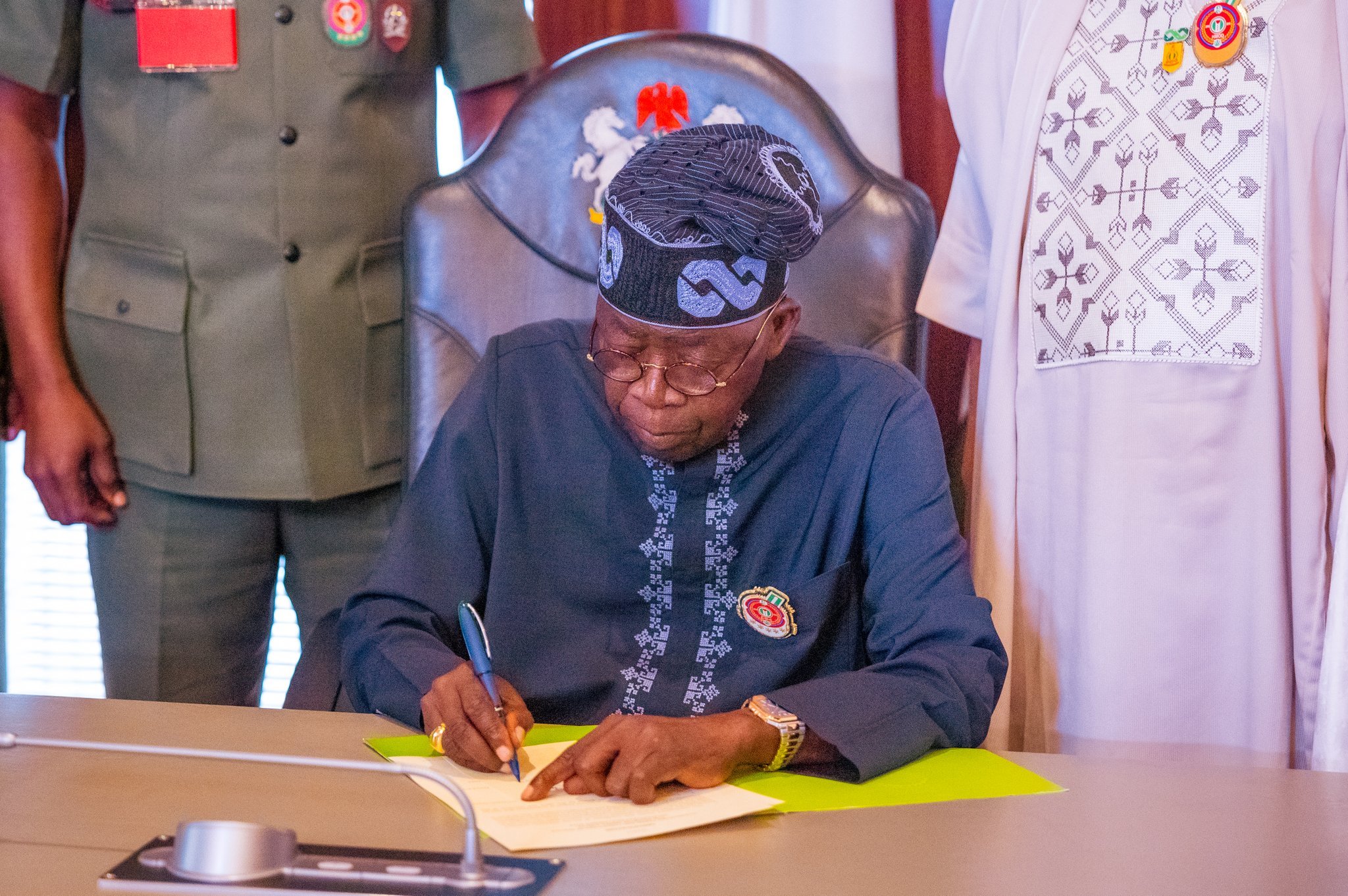
Nigeria ambassador deployments to major global economies have resumed after a prolonged diplomatic vacuum, as President Bola Ahmed Tinubu posts envoys to the United States, France, the United Kingdom, and Turkey. The decision marks a turning point for Africa’s largest economy, where the absence of full ambassadors for over two years constrained trade negotiations, investment flows, and high-level political engagement at a time of mounting fiscal and security pressures.
The move follows Senate confirmation of 68 ambassadorial nominees in late 2025, but only four postings have been activated so far. While gradual, the deployment signals a recalibration of Nigeria’s foreign policy priorities toward economic diplomacy and strategic partnerships rather than symbolic representation.
Restoring authority lost during the diplomatic gap
For much of Tinubu’s first term, Nigerian embassies were led by chargés d’affaires, officials who lack the full authority of ambassadors. This weakened Nigeria’s negotiating position on trade access, defence cooperation, and development finance. Nigeria ambassador deployments restore formal diplomatic weight, enabling Nigeria to speak with seniority in bilateral forums where ambassadorial rank often determines access and influence.
In Washington, the absence of an ambassador coincided with strained relations over defence procurement, security cooperation, and human rights concerns. A confirmed envoy is expected to reopen stalled channels, particularly in areas affecting Nigeria’s counterterrorism capacity and energy exports.

Nigeria ambassador deployments and economic strategy
Beyond diplomacy, Nigeria ambassador deployments carry direct economic implications. The United States, France, the United Kingdom, and Turkey collectively account for a substantial share of Nigeria’s trade, investment inflows, and technology partnerships. These postings strengthen Nigeria’s ability to negotiate market access, attract foreign direct investment, and support Nigerian firms operating abroad.
France remains influential in infrastructure, energy, and transport financing, while the UK is deeply embedded in Nigeria’s banking, education, and professional services sectors. Turkey’s growing footprint in construction, manufacturing, and defence adds a commercial dimension that aligns with Nigeria’s industrialisation ambitions.
For businesses, especially exporters and multinational firms, the return of ambassadors improves predictability. Ambassadors play a critical role in resolving regulatory disputes, facilitating high-level introductions, and advocating for Nigerian interests in foreign markets. Their absence often translates into delayed deals and weaker trade promotion.
Small and medium-sized enterprises also stand to benefit. Strong diplomatic missions support diaspora trade networks, consular services, and investment roadshows that lower entry barriers for Nigerian entrepreneurs seeking foreign partnerships.
While households may not feel immediate effects, the longer-term impact is meaningful. Improved diplomatic engagement supports trade stability, investment inflows, and job creation. These, in turn, influence exchange rate stability, inflation, and employment prospects, key issues affecting household purchasing power.
If ambassadorial engagement succeeds in unlocking investment or easing trade frictions, the downstream effects could include lower import costs, expanded employment in export-linked sectors, and improved access to international development financing.
Why the delay still raises concerns
Despite the positive signal, analysts note that deploying only four ambassadors from a pool of 68 highlights lingering challenges. Budgetary constraints, political balancing, and administrative bottlenecks may continue to slow full deployment. Until more missions are staffed, Nigeria’s diplomatic recovery remains partial.
There is also scrutiny over whether ambassadorial appointments will be matched by coherent foreign economic policy. Diplomatic presence alone cannot substitute for domestic reforms needed to improve investor confidence.
Ultimately, Nigeria ambassador deployments represent a cautious but necessary reset of Nigeria’s global engagement. They signal recognition within government that diplomacy is not optional in an interconnected global economy, especially for a country seeking capital, technology, and strategic partnerships.
The success of this initiative will depend on how quickly remaining postings are filled and whether ambassadors are empowered to pursue proactive economic diplomacy rather than ceremonial roles.
Nigeria’s decision to restore ambassadorial representation in key economies underscores a shift toward pragmatic foreign policy focused on trade, investment, and credibility. While overdue, the move has the potential to strengthen Nigeria’s economic positioning globally, if followed through with consistency, institutional support, and broader reforms.
Dangote Reveals How Removal of 19 Shrines Enabled Construction of Nigeria’s Largest Oil Refinery