


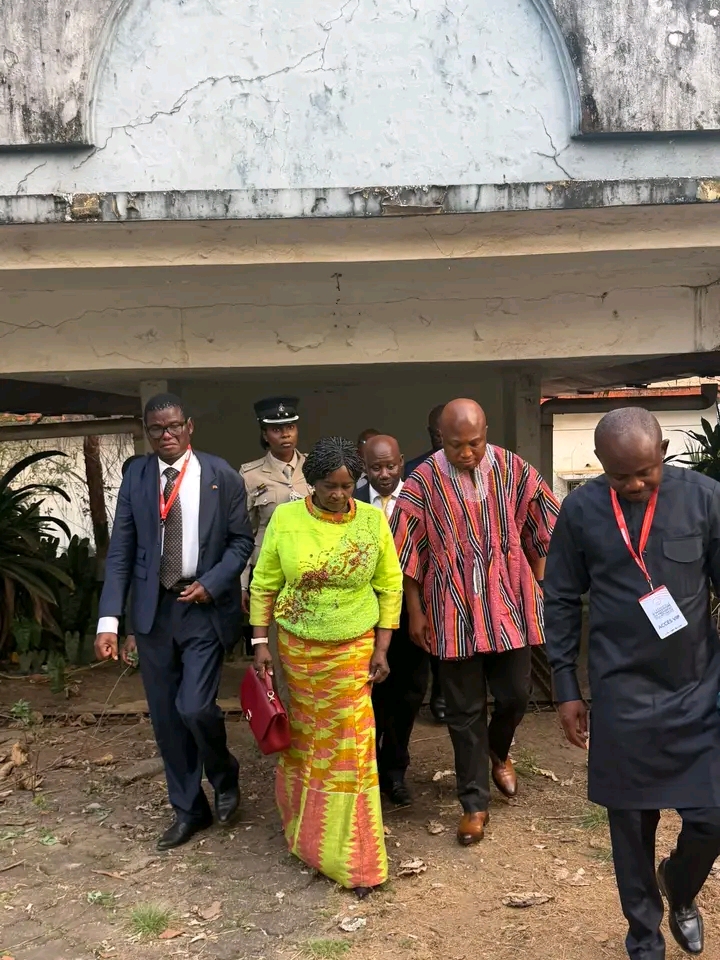
Ghana has initiated diplomatic and administrative steps to reclaim the former residence of its first president, Dr Kwame Nkrumah, in Conakry, Guinea, as part of a broader effort to preserve and safeguard key sites linked to the country’s independence history and Pan-African legacy.
The move follows renewed engagement between Ghanaian authorities and their Guinean counterparts aimed at securing the property, which served as Nkrumah’s home during his years of exile after he was overthrown in a military coup in February 1966. Officials familiar with the matter say the residence is being considered for designation as a heritage and memorial site, reflecting Nkrumah’s enduring historical significance to both Ghana and Africa at large.
Nkrumah fled to Guinea after his removal from power, where he was granted asylum by then Guinean President Ahmed Sékou Touré, a close ally and fellow Pan-Africanist. Touré later named Nkrumah co-president of Guinea, an unprecedented symbolic gesture underscoring their shared vision of African unity and resistance to neo-colonial influence. The residence in Conakry subsequently became an important location in Nkrumah’s political life, where he continued to write, reflect and engage in Pan-African thought until his health declined.

According to Ghanaian cultural and diplomatic sources, the current initiative is being driven by the Ministry of Tourism, Arts and Culture in collaboration with the Ministry of Foreign Affairs and Regional Integration. The plan aligns with Ghana’s expanding heritage diplomacy agenda, which includes preserving historical sites linked to the transatlantic slave trade, independence movements and Pan-Africanism.
Officials say discussions with Guinea have focused on the legal status of the property, current occupancy or use, and the modalities under which Ghana could either assume ownership, long-term custodianship, or joint management of the site. Options under consideration reportedly include converting the residence into a museum or research centre dedicated to Nkrumah’s life in exile and his contributions to African political thought.
The initiative also fits into wider regional efforts to protect liberation-era landmarks. Across Africa, governments are increasingly seeking to reclaim or restore sites associated with anti-colonial leaders as part of cultural preservation, tourism development and historical education. Ghana has previously undertaken similar efforts domestically, including ongoing conservation works at the Kwame Nkrumah Memorial Park in Accra.

Cultural historians note that Nkrumah’s Conakry residence holds particular symbolic value because it represents both the trauma of his overthrow and the resilience of his Pan-African ideals. During his exile, Nkrumah remained vocal about African unity, warning against military coups and foreign interference, themes that continue to resonate across the continent today.
Guinean authorities have not publicly opposed the initiative, and diplomatic sources describe the talks as cordial, reflecting long-standing ties between Accra and Conakry. Any formal transfer or agreement is expected to be concluded through bilateral channels and in line with Guinean domestic laws governing state and historic properties.
If successful, the project would add an important international dimension to Ghana’s heritage portfolio and strengthen its role as a custodian of Pan-African history beyond its borders, while reinforcing Nkrumah’s legacy as a continental figure rather than solely a national leader.
Legendary Ghanaian Gospel Musician Yaw Sarpong Dies