

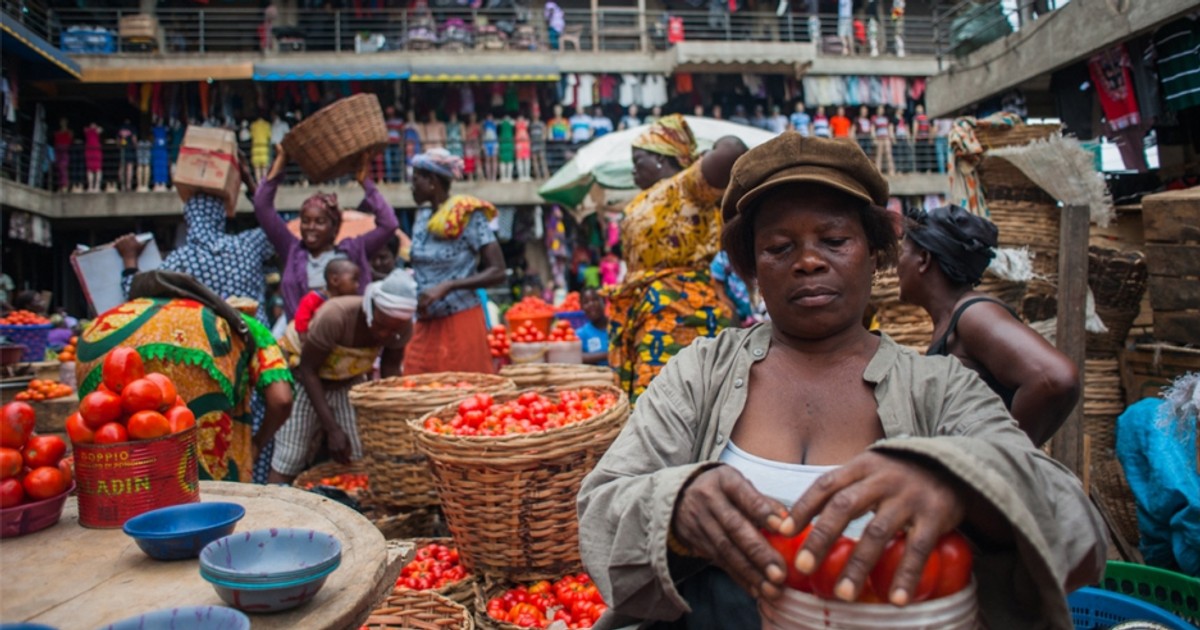
Inflation has become one of the most talked about economic issues in Ghana in recent years. From the price of kenkey and plantain to transport fares and school fees, rising costs are affecting nearly every aspect of daily life. While inflation is a global challenge, its impact on Ghanaian households carries unique social and cultural dimensions that are reshaping how people live, spend, save, and plan for the future.
For many Ghanaians, inflation is no longer an abstract economic term discussed on radio talk shows. It is a daily reality felt at the market, the fuel station, and even at family gatherings where budgets are stretched thinner than ever.
Rising Food Prices and Changing Diets
One of the most visible effects of inflation in Ghana is the steady rise in food prices. Staples such as rice, cooking oil, tomatoes, onions, and pepper have seen significant increases. As a result, many households are adjusting their diets, buying smaller quantities, or switching to cheaper alternatives.
Some families now cook fewer elaborate meals during the week and reserve traditional dishes for special occasions. Street food consumption has also changed, with buyers negotiating prices more often or opting for smaller portions. Inflation has turned meal planning into a strategic exercise, especially for families with fixed incomes.
Transport Costs and Daily Movement
Transportation is another area where inflation has deeply affected Ghanaians. Fuel price increases have led to higher transport fares, making daily commuting more expensive. Workers who once relied on commercial transport now walk longer distances or combine trips to reduce costs.
Ride hailing services, once seen as a convenience, are now considered a luxury for many. This shift has influenced work schedules, school routines, and even social visits, as people carefully consider whether a trip is truly necessary.
Changes in Spending Priorities
Inflation has forced households to rethink their spending priorities. Non essential expenses such as entertainment, fashion, and leisure activities are often the first to be cut. Many Ghanaians now delay purchases, wait for discounts, or completely abandon certain lifestyle habits.
There is a noticeable move toward value based spending. Consumers compare prices more than ever, choose generic brands over premium ones, and prioritize durability over aesthetics. Even festive spending has become more controlled, with families focusing on modest celebrations rather than lavish displays.

Saving Becomes More Difficult
Saving money has become increasingly challenging in an inflationary environment. Rising costs mean that a larger portion of income goes toward basic needs, leaving little room for savings. For many Ghanaians, traditional saving methods such as susu contributions are harder to maintain consistently.
This situation has pushed some people to seek alternative income sources, including side businesses, online trading, and freelance work. The desire to protect purchasing power has made financial literacy and investment conversations more common, especially among young adults.
Impact on Social and Family Life
Inflation has also influenced social interactions and family responsibilities. Financial pressure has reduced the frequency of social events, outings, and extended family support. Contributions to funerals, weddings, and naming ceremonies are now carefully calculated rather than freely given.
Parents are making tough choices about education expenses, sometimes opting for less expensive schools or delaying additional academic programs. These decisions reflect how inflation quietly reshapes long held social expectations.

Shifting Mindsets and Resilience
Despite these challenges, inflation has also encouraged resilience and creativity among Ghanaians. Many households are learning new skills, growing small gardens, cooking at home more often, and supporting local businesses to manage costs.
There is a growing awareness of budgeting, financial planning, and mindful spending. Inflation has made people more conscious of money management, fostering conversations about sustainability and long term economic stability.
Looking Ahead
Inflation is changing the way Ghanaians live and spend, but it is also redefining values around money, consumption, and resilience. While the pressure is undeniable, it has highlighted the importance of adaptability, community support, and informed financial decisions.
As Ghana continues to navigate economic challenges, understanding how inflation affects everyday life is essential. The choices households make today will shape not only their financial well-being but also the broader economic culture of the nation.
Black Sherif Transforms Accra With An Unforgettable Zaama Disco Concert Experience – Insight Ghana