

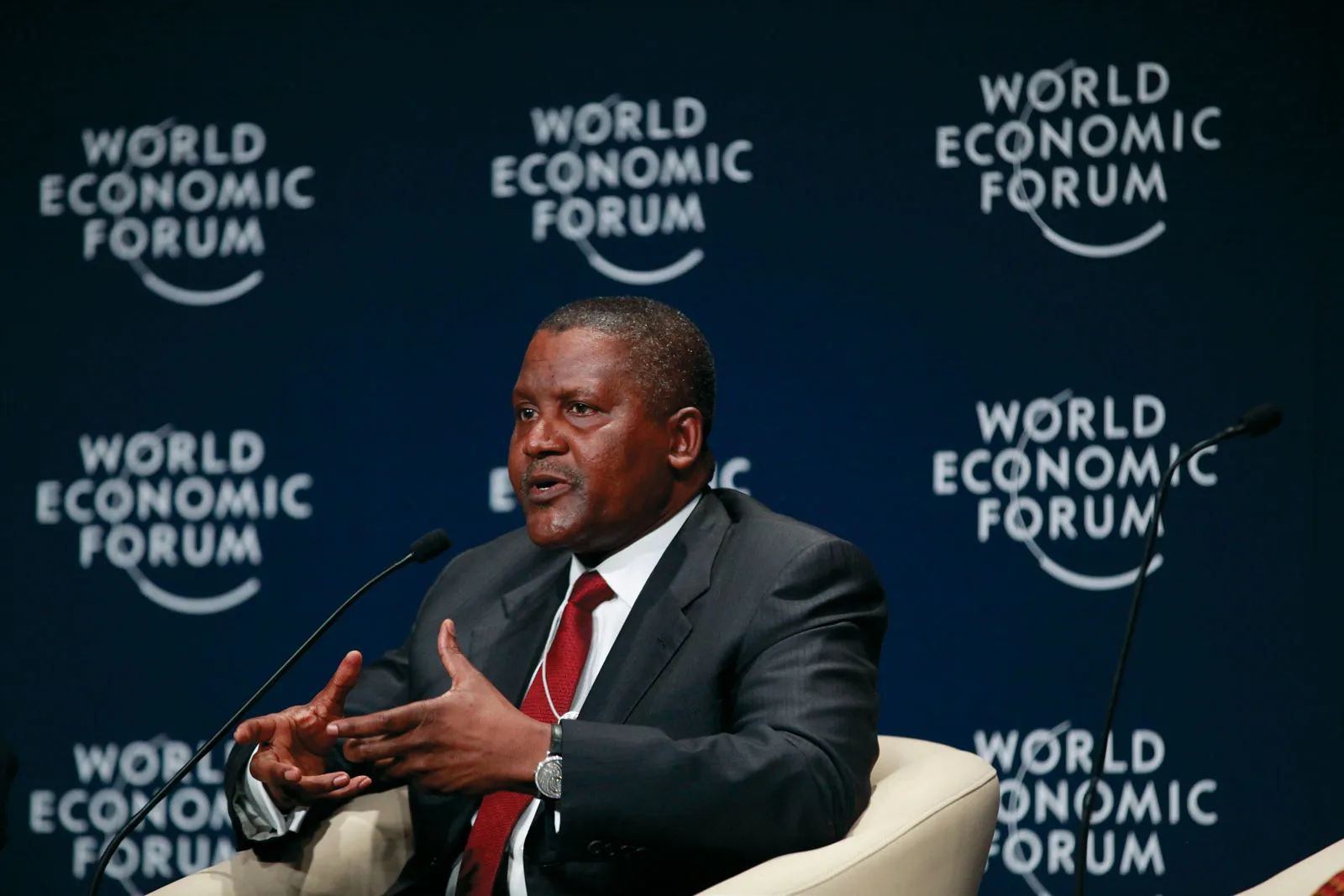
Lagos Africa’s leading industrialist, Aliko Dangote, has shed light on an extraordinary cultural and spiritual challenge that once threatened the construction of Nigeria’s largest oil refinery, revealing that the removal of 19 shrines from the project site was a decisive moment in bringing the multi-billion-dollar venture to life.
Speaking at a public forum, Dangote explained that early construction efforts at the refinery site in Ibeju-Lekki faced unexpected resistance due to the presence of several traditional shrines scattered across the land. According to him, these shrines were considered sacred by surrounding communities, creating fear among workers and halting progress at a critical stage of the project.
The Dangote Refinery, situated within the Lekki Free Trade Zone, occupies a vast expanse of land and represents one of the most ambitious industrial projects ever undertaken on the African continent. However, Dangote disclosed that despite technical readiness and financial commitment, construction could not proceed until the spiritual concerns tied to the land were addressed.
He noted that workers were reluctant to operate heavy machinery near the shrines, as local beliefs held that disturbing such sites could invite misfortune or spiritual repercussions. This hesitation, Dangote said, posed a serious threat to the project’s timeline and created uncertainty about its viability.
In response, Dangote and his management team sought guidance from respected traditional authorities. Their efforts led them to His Imperial Majesty Oba Adeyeye Enitan Ogunwusi, the Ooni of Ife, whose cultural influence and leadership proved instrumental in resolving the impasse.
Dangote recounted that the Ooni personally visited the site and ordered the removal of all 19 shrines, assuming full responsibility for the spiritual implications of the decision. According to Dangote, the monarch boldly stated that if there were any consequences, the gods should address them directly with him. This decisive intervention, he said, reassured workers and allowed construction to resume without further hesitation.
Expressing gratitude, Dangote praised the Ooni’s courage and leadership, describing his action as a rare example of traditional authority aligning with national development goals. He emphasized that without the monarch’s intervention, the refinery project might have faced indefinite delays or possible abandonment.
Today, the Dangote Refinery stands as a transformative asset in Nigeria’s energy sector. With a capacity to process up to 650,000 barrels of crude oil per day, the facility is expected to significantly reduce Nigeria’s dependence on imported refined petroleum products. It is also projected to generate thousands of direct and indirect jobs while strengthening the country’s industrial base.
Beyond its economic importance, the account of shrine removal has sparked broader discussions about the relationship between cultural heritage and modern infrastructure development. While some observers view the episode as a successful negotiation between tradition and progress, others raise concerns about the preservation of sacred sites amid rapid industrial expansion.
Cultural analysts note that traditional beliefs continue to play a significant role in many Nigerian communities, influencing land use decisions and social acceptance of large projects. They argue that meaningful engagement with traditional institutions is often necessary to ensure community support and long-term stability.
The involvement of the Ooni of Ife highlights the enduring relevance of traditional rulers in contemporary governance. Though they hold no formal political authority, such leaders often serve as custodians of culture and mediators in sensitive community matters. In this case, the Ooni’s intervention provided legitimacy and reassurance at a moment of uncertainty.
The refinery project itself represents a strategic shift in Nigeria’s approach to energy security. For decades, the country has exported crude oil only to import refined fuel at high cost. The Dangote Refinery is widely seen as a solution to this paradox, promising self-sufficiency and improved supply stability.
As operations continue to scale up, the refinery’s legacy will extend beyond production figures. Its story reflects the complex realities of development in societies where tradition and modernity coexist. Dangote’s revelation underscores the importance of dialogue, cultural sensitivity, and decisive leadership in navigating such intersections.
Ultimately, the successful construction of the refinery demonstrates that economic ambition and cultural respect need not be mutually exclusive. Instead, when approached with understanding and collaboration, they can converge to drive national transformation and sustainable progress.