

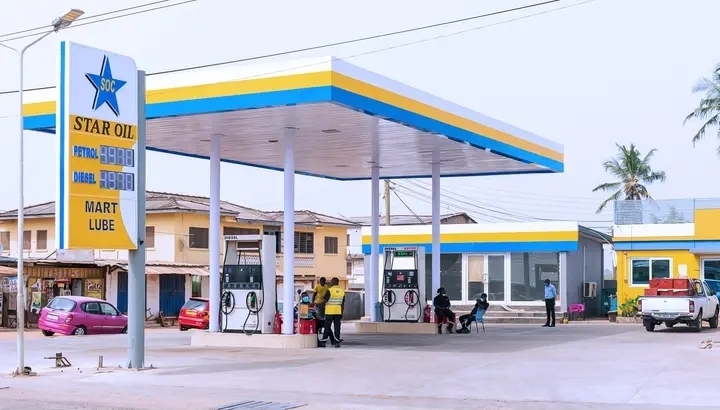
Star Oil Company Ltd. has cemented its position as Ghana’s leading oil marketing company (OMC) in the downstream petroleum sector, according to the latest data from the National Petroleum Authority (NPA).
The NPA’s statistics covering the period from January to May 2025 show that Star Oil sold approximately 336.3 million litres of petroleum products, overtaking the long-time market leader GOIL PLC, which sold about 271.3 million litres during the same period.
By the end of June 2025, Star Oil’s sales had surged further to about 403 million litres, comprising approximately 193.9 million litres of petrol, 139.3 million litres of diesel, and 3.1 million litres of LPG.
This milestone marks the first time a private, indigenous Ghanaian-owned OMC has taken the top spot in the nation’s downstream fuel distribution industry, unseating a state-owned incumbent. Offshore Africa noted that this shift underscores evolving competitive dynamics in Ghana’s petroleum retail market.
Several notable factors underpin Star Oil’s rise:
1. A 41.02 % increase in product volumes in the first half of 2025, which far outpaced many rivals.
2. An expanded retail network, now exceeding 240 filling stations across Ghana, enhancing accessibility and distribution reach.
3. Competitive pricing strategies and consumer trust in brand and fuel quality, which analysts cite as giving the company an edge in a price-sensitive market.
4. Strong tax contributions: Star Oil paid over GH¢1.13 billion in taxes and levies during the first half of 2025, reflecting its sizeable contribution to public revenue.

The shift in market leadership is significant for Ghana’s energy sector for a number of reasons. It signals increased maturity and competitiveness in the downstream segment, where previously state-owned companies and major multinationals dominated. The fact that a Ghanaian-owned firm has ascended to the top spot points to structural change and shows that local operators can successfully scale and compete.
For GOIL, the loss of its top ranking marks a pivotal moment. Industry charts for earlier periods show GOIL holding the number one position for several years, reporting market shares of 17 %–20 % during earlier years. The new data suggest that GOIL’s market share has dipped and that it now faces intensified competition from agile local players.
Given these developments, the downstream sector may witness further reshuffling. Emerging players such as Moari Oil and Yass Petroleum recorded growth rates of over 200 % in certain petrol and diesel categories in 2025, highlighting the pace of competitive change.
For consumers, the benefits may include enhanced station coverage, improved service quality, and potentially stabilised or more competitive fuel pricing. For government and regulatory authorities, the new landscape requires vigilant oversight to ensure that competition remains fair, infrastructure is secure, and supply chains remain robust.

Looking ahead, the key questions are how GOIL and other legacy players respond, whether Star Oil can sustain its growth and what the implications will be for fuel pricing, station investment, and downstream infrastructure development. It’s also possible that the shift may influence policy in areas such as licensing, environmental regulation, and downstream logistics.
Ghana Donates GH₵10 Million in Relief Aid to Sudan, Jamaica and Cuba Amid Crisis