Asantehene Schedules November 30-December 1 for Final Mediation Session in Bawku Chieftaincy Conflict

0
116

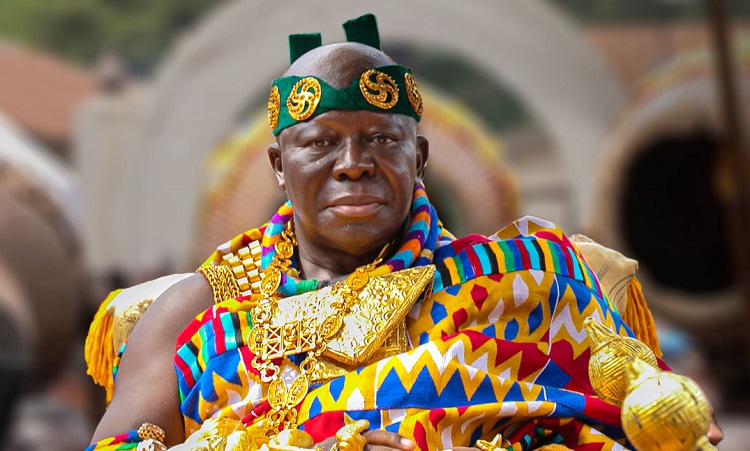
His Majesty Otumfuo Osei Tutu II, the Asantehene, has announced that the concluding phase of his mediation in the long-standing dispute between the Bawku Municipality chieftaincy factions will take place on Saturday, November 30 and Sunday, December 1, 2025. This session marks the latest effort in resolving one of Ghana’s persistent ethnic and traditional-authority conflicts.

The mediation, which has seen numerous closed-door meetings at the Manhyia Palace in Kumasi, involves the feuding Kusasi and Mamprusi traditional councils. The conflict centres on control of the Bawku skin and related land rights, and has led to periodic outbreaks of violence, curfews, and deployment of security personnel over the years.

Sources familiar with the process say the forthcoming session will bring together major stakeholders: representatives of both factions, security agencies, traditional elders, youth groups from the region, and government officials. The Asantehene is expected to present a draft agreement outlining power-sharing arrangements, land-use oversight, and mechanisms for ensuring peace and accountability for past conflicts.

Asantehene Schedules November 30-December 1 for Final Mediation Session in Bawku Chieftaincy Conflict
Press Release from Manhyia Palace


According to monitoring reports, Otumfuo’s mediation has achieved several notable outcomes so far. In the earlier phase held in April–May 2025, both sides committed to cease large-scale violent activity and submitted lists of sub-chiefs for formal recognition at Kumasi through the mediation team’s supervision. While a definitive settlement has yet to be publicised, peace-building practitioners regard the forthcoming event as the most hopeful moment in decades of negotiations.

Despite the positive signs, the context remains fragile. A July 2025 Reuters report noted that the Ghanaian government deployed troops to Bawku after fresh violence, underscoring the severity and unresolved nature of the dispute. Critics caution that unless agreements reached in Kumasi are transparently implemented and backed by local institutions, gains may prove short-lived.

The Asantehene’s involvement carries symbolic and practical weight. As monarch of the Ashanti Kingdom, he holds powerful traditional legitimacy and is respected across ethnic lines in Ghana. His previous mediation role in the Dagbon region conflict is often cited in academic literature as a model for how traditional authority can help manage contemporary chieftaincy disputes.

Asantehene Schedules November 30-December 1 for Final Mediation Session in Bawku Chieftaincy Conflict


The session will be held in private. However, a public communiqué is expected at its conclusion, outlining the agreed terms and next steps. Civil society and peace-building organisations are being invited to observe the implementation phase, with some already planning monitoring teams for Bawku and Kumasi.

As the nation watches, the success or failure of this November-December mediation may set a benchmark for how Ghana reconciles traditional authority conflicts in the future.

Drastic Curfew Imposed in Bawku to Curb Unrest

Author

  • Daniel Ablordey

    Daniel Ablordey is a Business Analytics student at the University of Ghana Business School and an emerging strategist at the intersection of data, markets, and narrative. With a keen analytical mind and a passion for African business and economic trends, he is building a career focused on translating complex data-driven insights into accessible, decision-relevant stories that matter.

    As a writer and editor with Insight Ghana, African Business Insight, and The African Journal, Daniel delivers sharp, high-impact analysis on current affairs, business developments, and emerging trends across the continent. His work is defined by precision, clarity, and a deep commitment to responsible journalism — ensuring that every story he tells is not only accurate but meaningful to the audiences it serves.

    Beyond his editorial work, Daniel serves as an Ecobank Youth Ambassador, where he actively promotes financial inclusion, digital banking, and financial literacy among young Ghanaians. His leadership experience spans academic, professional, and faith-based institutions, where he has consistently driven initiatives centered on growth, structure, and long-term impact.

    Grounded in the principles of Pan-Africanism and service, Daniel brings a rare combination of analytical rigour and storytelling depth to his work. Whether unpacking market behavior, profiling emerging business leaders, or covering cultural shifts shaping the continent, he approaches every assignment with strategic intent and editorial integrity.

    His broader ambition is to contribute to Africa's transformation by shaping how data, business, and storytelling intersect — not just locally, but on a global stage.

Previous articleStar Oil Emerges as Ghana’s Largest Petroleum Downstream Company
Next articleSouthey Contracting supports Technical education and safety awareness in Takoradi
Daniel Amenyo Ablordey
Daniel Ablordey is a Business Analytics student at the University of Ghana Business School and an emerging strategist at the intersection of data, markets, and narrative. With a keen analytical mind and a passion for African business and economic trends, he is building a career focused on translating complex data-driven insights into accessible, decision-relevant stories that matter.

As a writer and editor with Insight Ghana, African Business Insight, and The African Journal, Daniel delivers sharp, high-impact analysis on current affairs, business developments, and emerging trends across the continent. His work is defined by precision, clarity, and a deep commitment to responsible journalism — ensuring that every story he tells is not only accurate but meaningful to the audiences it serves.

Beyond his editorial work, Daniel serves as an Ecobank Youth Ambassador, where he actively promotes financial inclusion, digital banking, and financial literacy among young Ghanaians. His leadership experience spans academic, professional, and faith-based institutions, where he has consistently driven initiatives centered on growth, structure, and long-term impact.

Grounded in the principles of Pan-Africanism and service, Daniel brings a rare combination of analytical rigour and storytelling depth to his work. Whether unpacking market behavior, profiling emerging business leaders, or covering cultural shifts shaping the continent, he approaches every assignment with strategic intent and editorial integrity.

His broader ambition is to contribute to Africa's transformation by shaping how data, business, and storytelling intersect — not just locally, but on a global stage.