May Day Special: Top 7 Lucrative Informal Jobs in Ghana You Shouldn’t Overlook

0
267

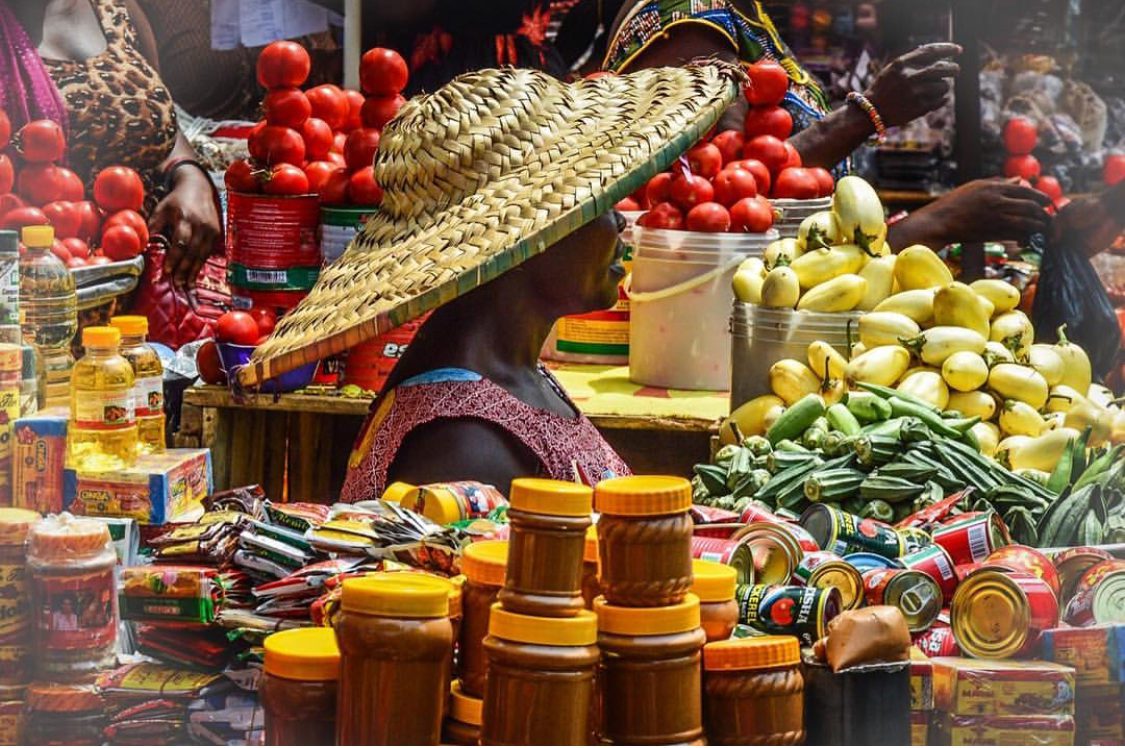
When people think of “good jobs,” formal office gigs usually come to mind. But guess what? Ghana’s informal sector is booming — and many people are making serious money without sitting behind a desk.

From the streets of Makola to the workshops of Suame, these top 7 informal jobs are creating wealth, freedom, and real opportunities.

1. Mobile Money Vendor (MoMo Agent)

This business is everywhere — and for good reason. With smart location choices and good float management, MoMo agents can make up to GHS 200–500 a day in commissions and fees.

Hot Tip: Add phone accessories or airtime sales for more profit.

2. Vulcanizer & Tyre Specialist

Yes, fixing tyres can be gold. With increasing vehicles on Ghana’s roads, especially in urban areas, vulcanizers can make GHS 2,000–5,000+ monthly, depending on traffic and skill.

Bonus: Offer rim repairs and balancing services.

3. Second-Hand Clothes (Bend Down Boutique) Seller

From “Kantamanto” to regional markets, selling quality second-hand clothes (foose) is big business. Smart sellers turn GHS 500 bales into GHS 2,000+ within a few days.

Pro Tip: Learn how to spot “Grade A” clothes early!

The informal sector of Ghana
The Informal Sector of Ghana

4. Hairdresser & Barber

Beauty never goes out of style. Top hairdressers and barbers in busy areas make GHS 100–500 daily. Those who do home services or bridal styling earn even more.

What’s trending? Dreadlocks, braiding, and skin fades.

5. Commercial Drivers & “Pragya” Riders

Whether it’s trotro, taxi, or tricycle (aboboyaa/pragya), drivers are moving Ghana — and cashing in. Earnings vary, but most can take home GHS 3,000–6,000 a month, especially in busy zones.

Hot zones: Accra Central, Kumasi Tech Junction, Takoradi.

6. Masonry, Plumbing & Electrical Works

Skilled artisans are always in demand. A mason or plumber working with 3–5 clients monthly can earn GHS 5,000+. With experience and trust, the earnings multiply fast.

Future focus: Add tiling, POP, or CCTV installation to stay competitive.

7. Food Vendor / Street Chef

From waakye and kenkey to fried rice and grilled tilapia, street food is a money magnet. Daily profits can range between GHS 150–800, especially near schools, lorry stations, and night markets.

Bonus Idea: Invest in food delivery and packaging!

Final Thoughts:

Informal doesn’t mean small. Ghana’s informal workers are hustling smart, creating jobs, and fueling the economy. On this May Day, let’s celebrate the entrepreneurs, street vendors, artisans, and skilled hands building wealth outside the spotlight.

Which one would you try if you had the chance?
Tell us in the comments or tag someone you admire in the informal sector!

Source:
Ghana Statistical Service & ILO. (2023). Ghana Living Standards Survey Round 7 (GLSS 7) and Labour Force Report. Available via: http://statsghana.gov.gh

Also Read: Social Anxiety: 5 Fun and Practical Ways to Overcome It

Author

  • Daniel Ablordey

    Daniel Ablordey is a Business Analytics student at the University of Ghana Business School and an emerging strategist at the intersection of data, markets, and narrative. With a keen analytical mind and a passion for African business and economic trends, he is building a career focused on translating complex data-driven insights into accessible, decision-relevant stories that matter.

    As a writer and editor with Insight Ghana, African Business Insight, and The African Journal, Daniel delivers sharp, high-impact analysis on current affairs, business developments, and emerging trends across the continent. His work is defined by precision, clarity, and a deep commitment to responsible journalism — ensuring that every story he tells is not only accurate but meaningful to the audiences it serves.

    Beyond his editorial work, Daniel serves as an Ecobank Youth Ambassador, where he actively promotes financial inclusion, digital banking, and financial literacy among young Ghanaians. His leadership experience spans academic, professional, and faith-based institutions, where he has consistently driven initiatives centered on growth, structure, and long-term impact.

    Grounded in the principles of Pan-Africanism and service, Daniel brings a rare combination of analytical rigour and storytelling depth to his work. Whether unpacking market behavior, profiling emerging business leaders, or covering cultural shifts shaping the continent, he approaches every assignment with strategic intent and editorial integrity.

    His broader ambition is to contribute to Africa's transformation by shaping how data, business, and storytelling intersect — not just locally, but on a global stage.

Previous articleNPP National Chairman Takes Break from NPP’s Nationwide Thank You Tour
Next article‘Workers’ rights are being stripped before our eyes’ – Minority demands action on May Day
Daniel Amenyo Ablordey
Daniel Ablordey is a Business Analytics student at the University of Ghana Business School and an emerging strategist at the intersection of data, markets, and narrative. With a keen analytical mind and a passion for African business and economic trends, he is building a career focused on translating complex data-driven insights into accessible, decision-relevant stories that matter.

As a writer and editor with Insight Ghana, African Business Insight, and The African Journal, Daniel delivers sharp, high-impact analysis on current affairs, business developments, and emerging trends across the continent. His work is defined by precision, clarity, and a deep commitment to responsible journalism — ensuring that every story he tells is not only accurate but meaningful to the audiences it serves.

Beyond his editorial work, Daniel serves as an Ecobank Youth Ambassador, where he actively promotes financial inclusion, digital banking, and financial literacy among young Ghanaians. His leadership experience spans academic, professional, and faith-based institutions, where he has consistently driven initiatives centered on growth, structure, and long-term impact.

Grounded in the principles of Pan-Africanism and service, Daniel brings a rare combination of analytical rigour and storytelling depth to his work. Whether unpacking market behavior, profiling emerging business leaders, or covering cultural shifts shaping the continent, he approaches every assignment with strategic intent and editorial integrity.

His broader ambition is to contribute to Africa's transformation by shaping how data, business, and storytelling intersect — not just locally, but on a global stage.