

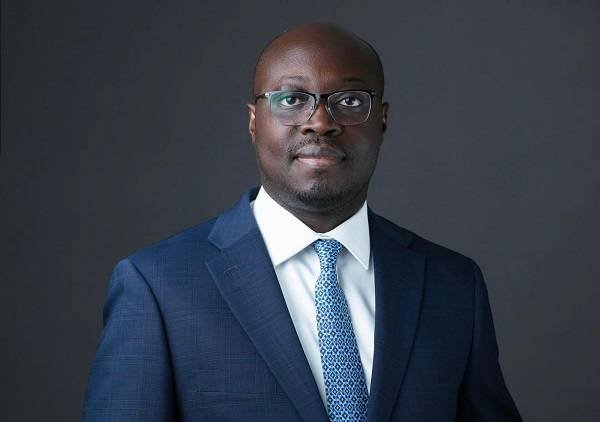
Finance Minister Dr Cassiel Ato Forson is leading Ghana’s delegation to the 2026 Annual Meetings of the International Monetary Fund (IMF) and the World Bank Group in Bangkok, Thailand, as the government seeks to consolidate recent economic gains and attract investment to support its next phase of development. Editorial Standards
The meetings, scheduled for October 12 to 18, bring together finance ministers, central bank governors, policymakers, international investors and development partners to discuss the global economy, financial stability, poverty reduction and sustainable growth.
Ghana’s participation comes at an important point in the country’s economic recovery, with the government seeking to move beyond stabilisation towards a development strategy focused on industrialisation, job creation, value addition and improved competitiveness.
According to the Ministry of Finance, Dr Forson’s programme includes engagements with the leadership of the IMF, senior World Bank officials, other multilateral institutions and international development partners.
The discussions are expected to focus on Ghana’s economic outlook, investment opportunities and measures to sustain progress in managing the country’s public finances.
The minister is also expected to use the meetings to present Ghana’s development priorities and strengthen relationships with international institutions that support economic reforms and long-term development.
A major focus of the Bangkok engagements is the government’s planned New Economy agenda, which is expected to be outlined in the 2027 Budget.
The initiative is intended to guide Ghana’s next phase of economic transformation by building on the progress made in restoring macroeconomic stability following the severe economic challenges experienced in 2022.
The government has emphasised that stabilisation should provide a foundation for sustainable growth rather than serve as an end in itself.
The next phase will therefore require policies capable of supporting productive businesses, expanding employment opportunities and increasing the value Ghana derives from its natural and human resources.
The 2027 Budget is expected to provide further details on how the government intends to translate these ambitions into policies and practical interventions. Editorial Ethics & Independence
Ghana’s delegation is also seeking investment and financing opportunities to support priority sectors of the economy.
According to the Ghana News Agency, the delegation includes Bank of Ghana Governor Dr Johnson Pandit Asiama and senior officials from the Ministry of Finance and the central bank.

The team is expected to engage international investors, financial institutions and development partners on the sidelines of the meetings, with the aim of strengthening investor confidence and mobilising capital for Ghana’s development priorities.
Such engagements are important for a country seeking to expand private investment while maintaining fiscal discipline.
Access to productive capital can help businesses increase capacity, create jobs and develop new markets, particularly when investments are directed towards sectors with strong potential for local value addition.
However, securing investment commitments is only one part of the process. Ghana will also need to ensure that proposed projects are commercially viable, financing arrangements are sustainable and investments generate measurable economic benefits.
The meetings also provide an opportunity for Ghana to discuss its engagement with the IMF following the completion of the final review of its Extended Credit Facility programme.
The government is moving towards a 36-month Policy Coordination Instrument, a non-financing arrangement intended to support continued economic reforms and help preserve stability.
The distinction is important because the Policy Coordination Instrument is designed to provide a framework for monitoring and supporting policy commitments rather than supplying the direct financing associated with a lending programme.
Continued discipline in public financial management, revenue mobilisation and expenditure control will remain essential to sustaining the country’s recovery.
For Ghana, discussions with the IMF and World Bank are therefore relevant not only to immediate financing needs but also to the broader challenge of maintaining confidence in the economy.
The international economic environment adds another dimension to the discussions. Governments are dealing with uncertainty surrounding energy prices, geopolitical tensions, climate-related risks and changing patterns of global investment. Editorial Standards
These pressures can affect borrowing costs, trade flows and the financial resources available to developing economies.
The Annual Meetings offer countries an opportunity to exchange policy ideas, discuss shared challenges and explore coordinated responses.
For Ghana, participation provides a platform to explain its economic priorities and strengthen cooperation with institutions and investors whose decisions can influence development financing.
The 2026 gathering is also notable because Bangkok is hosting the meetings outside Washington, D.C., for the first time since Dr Forson became Finance Minister in 2025.
The event is expected to attract thousands of participants from around the world, underlining its importance as a forum for international economic dialogue.
Beyond the meetings themselves, the central test for Ghana will be whether the engagements help translate its recovery into lasting improvements in living standards.
Macro economic stability is important, but citizens and businesses will also be looking for stronger job creation, reliable infrastructure, improved access to finance and a more competitive business environment.
The proposed New Economy agenda will therefore need to connect fiscal discipline with productive investment and policies that support inclusive growth.
Its effectiveness will ultimately depend on implementation, institutional coordination and the ability to measure progress against clear economic objectives. Newscard
Dr Forson’s participation in Bangkok forms part of the government’s wider effort to position Ghana for its next stage of development.

By combining international engagement with domestic reforms, the government hopes to reinforce investor confidence and create conditions for sustained economic expansion.
As the meetings continue through October 18, attention will remain on the outcomes of Ghana’s discussions with international financial institutions and prospective investors.
The extent to which these engagements produce practical commitments and support the priorities expected in the 2027 Budget will help determine their significance for the country’s economic future.