

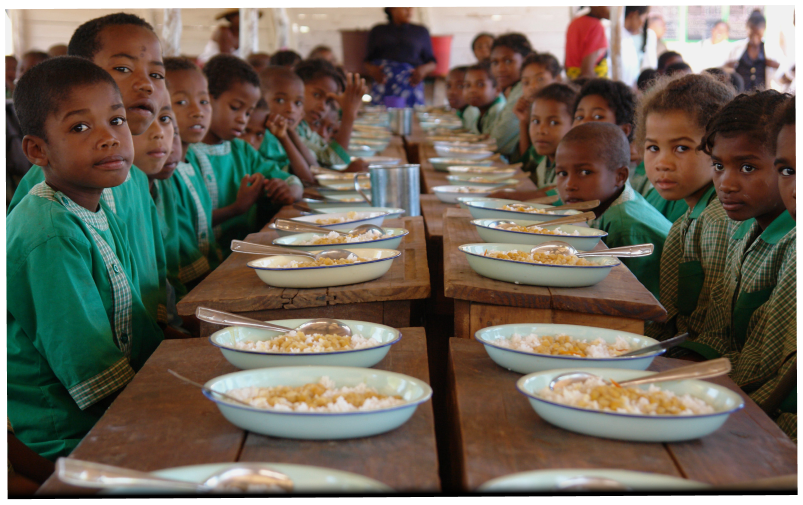
The National Coordinator of the Ghana School Feeding Programme, Hajia Fati Forgor, has called on the Ghana Education Service (GES) to ensure that meals under the programme are served at a standardised time across all participating schools.
She proposed 10:00 a.m. as the uniform feeding time, saying the move would strengthen monitoring and ensure pupils receive their meals at the appropriate time.

The Coordinator Hajia Fati made the call during a meeting with Directors of the Ghana Education Service, where discussions focused on improving the implementation and monitoring of the School Feeding Programme.
According to her, adopting a common feeding schedule would make it easier for officials to monitor caterers and ensure compliance with the programme’s operational requirements.
She stressed that the initiative was primarily designed to support vulnerable and needy children, particularly pupils who may not have adequate food from home.
The National Coordinator therefore urged stakeholders to keep the programme focused on its core objective of providing nutritious meals to schoolchildren who need the support.
Caterers warned against unapproved meals
Hajia Fati also cautioned caterers against serving meals that are not included in the programme’s approved menu.
She specifically mentioned spaghetti and “oil rice” as meals that should not be served to pupils under the School Feeding Programme.
She urged caterers to strictly follow the approved menu and provide pupils with a variety of nutritious meals that meet the programme’s nutritional requirements.
The directive comes amid concerns about the quality and variety of meals being served in some participating schools.
The meeting with GES Directors forms part of efforts by the Ghana School Feeding Secretariat to strengthen collaboration with education authorities and improve monitoring across the country.
The Secretariat believes closer cooperation with the GES will help ensure that caterers comply with approved feeding times and nutritional guidelines.
Hajia Fati said effective monitoring was essential to achieving the programme’s objectives, including improving child nutrition, supporting school attendance and ensuring vulnerable pupils receive at least one nutritious meal during the school day.
The Secretariat is therefore pushing for greater consistency in feeding schedules and strict compliance with the approved menu to improve the delivery of the programme nationwide.
By:Rachael Djabakie