

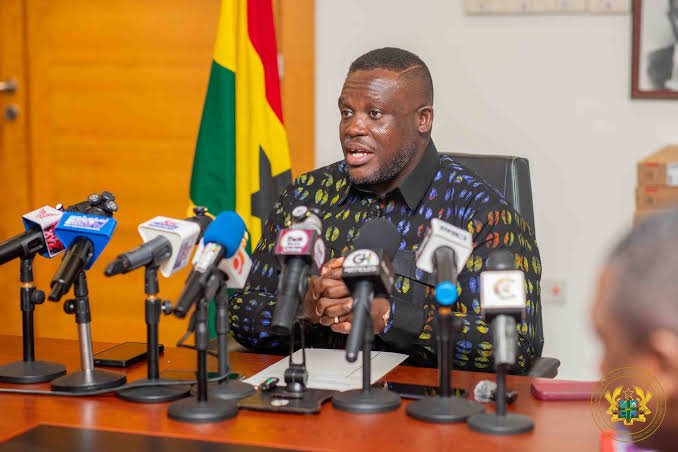
According to the Minister for Communication, Digital Technology and Innovations, Samuel Nartey George, 25 percent of fiber optic cable cuts across Ghana are caused by illegal mining activities, also known as galamsey. Editorial Ethics & Independence
He stated that, “The constant damage to telecommunication infrastructure due to illegal mining activities is becoming a source of serious concern to the nation’s digital economy due to disruptions to telecommunication and internet services”.
Speaking during the Government Accountability Series on Monday, the Minister identified illegal mining as a major and complex threat to the country’s fibre network.
Unlike the typical association of fiber cuts with road construction projects and excavation activities conducted by private developers, a significant portion of such damage now stems from illegal mining operations. Editorial Standards
He emphasized, “The menace of galamsey has made the issue complicated, where these operators are destroying fiber cables carelessly”.
He explained that galamsey operators excavate areas without awareness or concern for buried fiber network infrastructure, and the incidents are seldom reported to telcos or concerned entities, making technical intervention more challenging and slow.
He elaborated, “25% of the total cuts are Galamsey. Telecom industry is one among the most affected industries under Galamsey. The operators are making thosecuts.
Road construction activities are also a major cause of fibre cuts. But these contractors however will report the issue to telecommunications companies but illegal miners do not”.
Fibre optic cables carry numerous voice calls and data and serve as the fundamental backbone for internet access by individuals, institutions, financial services companies and public sector agencies.
Thus, the network infrastructure is vital to individual users and affects numerous sectors across the nation, such as banking, finance, and communication through their dependence on the service.
According to the minister, they have to deploy technical teams for the repair of the affected area, restoration usually taking time as they must locate the defect first before the necessary repairs can take place and require the dispatch of equipment, technical hands and material to sites.
This implies repetitive damage to the fiber optic network of the nation causing costs to telecommunication operators, service interruption to users and economic hardship to businesses, which have come to increasingly rely on dependable telecommunication infrastructure for the success of their operations, electronic payment systems, and online services.
The Minister’s comments on galamsey also come amid persistent national debate over its damage on farmlands, rivers, streams and water resources, as well as forests. Newscard

His warning points a spotlight on yet another critical infrastructure that has become adversely affected due to careless activities.
Mining and digging activities often involve moving large volumes of soil, as excavation can inadvertently rupture the delicate fiber optic cables when their underlying position is unknown or neglected.
Regulated contractors typically report damages to telecommunication companies while galamsey operations, which are not under adequate regulation, leave the telecommunications infrastructure damaged with zero notifications, thus hindering timely intervention from specialized technicians, a concern that Sam George described as “a major problem”.
Compared to conventional road building procedures or excavations where professional contractors would consult a data pertaining to underground conduits, or have them mapped, galamsey is, for the most part, unmonitored and poses a great threat in damaging critical infrastructure.
This leads to inevitable disruption in communication and internet connectivity for homes and the corporate sector across the country, also a hurdle to Ghana’s digitalized economy as an increasing number of operations and services turn to e-commerce and online communication.
“When we have those kinds of effects from galamsey operators, their primary work is basically digging and sometimes they might not even know the nature of facility they are digging and could dig any part of that place with the presence of some fiber cut. Telecom’s however will always know fiber location from the service plan”, the Minister asserted.

His submission adds context and gravity to the fight against galamsey by shining a light on the sector’s dependence on telecommunications for connectivity, and the added challenges that the unregulated mining has imposed.
Sam George previously pledged stronger measures and protection schemes to safeguarding the national telecommunications infrastructure in a push for broader digital inclusion and strengthening the nation’s tech sector. He also stated, “My ministry is trying in all possible means to address challenges of damages caused by both regulated and un-regulated constructions to infrastructure but the un-regulated construction is proving very costly for even telecom’s.
The issue is becoming one of great national concern for now”.For telecom operators, fiber cuts translate to costly repairs as well as communication and service interruptions for users who now count heavily on reliable networks to run their homes, businesses, financial institutions and governments effectively.
So much so that fiber cuts are no longer synonymous with planned construction but have gained new associations due to the ever-present threat and activity of unregulated excavation with the constant rise in galamsey in both urban and rural areas throughout the country.
The announcement made during the Government Accountability Series brings up fresh debate surrounding galamsey as the extent of damages caused it could result in a loss valued in trillions of cedis, also a potential factor affecting the nation’s revenue when it comes to economic development and contribution to the GDP.
“25% of the fiber cuts are caused by galamsey and we will definitely keep addressing the issue of galamsey and in doing so will do everything possible to save this kind of a resource,” stated the Minister for Communication.