


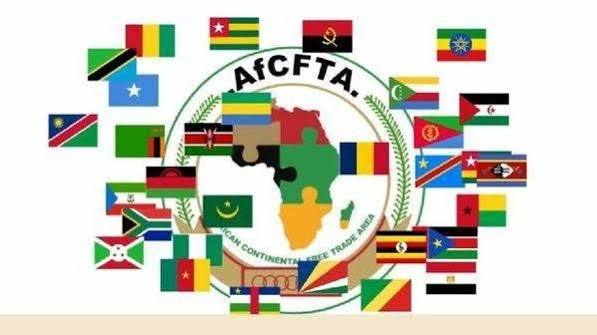
Only 13 percent of Africans are aware of the African Continental Free Trade Area (AfCFTA), despite growing support for free trade across the continent, according to the latest Afrobarometer African Insights 2026 report. The findings reveal a significant gap between Africa’s flagship economic integration initiative and the citizens it is intended to serve, raising concerns about public engagement with the agreement’s long-term objectives.
The report notes that even in Ghana, which hosts the AfCFTA Secretariat, awareness remains relatively low, with only 17 percent of respondents indicating that they have heard of the trade agreement.
Despite this limited awareness, Africans are increasingly embracing the principles underpinning the AfCFTA. According to the survey, 62 percent of respondents believe governments should make it easier to trade with other countries to create more economic opportunities. This represents a marked increase from 51 percent recorded five years ago.

Support for freer trade has become the majority view in 32 of the 38 countries surveyed, reflecting growing confidence in trade liberalisation as a driver of economic development. The survey also found that 66 percent of Africans want their governments to expand trade relationships with countries around the world. By comparison, only 20 percent favour prioritising trade within Africa, while eight percent believe governments should focus primarily on trade within their respective sub-regions.
Researchers behind the report stressed that these findings should not be interpreted as opposition to the AfCFTA. Rather, they argue that the agreement is designed to strengthen intra-African trade as a foundation for improving the continent’s competitiveness in global markets.
The report further highlights an interesting trend regarding public attitudes toward trade. Africans experiencing greater economic hardship were found to be more supportive of open trade policies, a pattern that contrasts with developments in many other parts of the world where economic difficulties often encourage protectionist sentiments.

According to Afrobarometer, the findings emphasize the urgent need for governments and policymakers to intensify public education efforts to improve awareness and understanding of the AfCFTA if it is to achieve its ambitious goals. The organisation warned that the agreement’s success will depend not only on policy implementation but also on securing widespread public support through sustained information campaigns.
“Despite being one of the most ambitious economic integration initiatives in history, the African Continental Free Trade Area (AfCFTA) is barely on the radar of the people it is designed to benefit: Only 13 percent of Africans have heard of the agreement. Awareness is heavily skewed toward the highly educated and informed, and reaches no higher than 27 percent in any single country,” the report stated.
The African Continental Free Trade Area, which officially commenced trading in 2021, seeks to create a single continental market for goods and services by reducing trade barriers among African countries, boosting industrialisation, increasing intra-African commerce, and enhancing the continent’s position in global trade. However, the Afrobarometer report suggests that greater public engagement will be essential if the initiative is to realise its full economic potential.
Philbert Amiba Ayuusah