

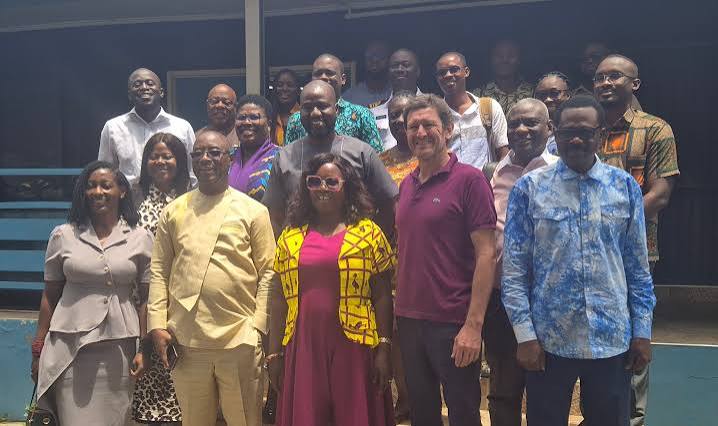
Key stakeholders in Ghana’s environmental and natural resource sectors have called for a sustainable financing system to support ecosystem conservation, as efforts intensify to protect the country’s forests, wetlands, rivers and coastal resources from increasing environmental threats.

The call was made during a national consultative meeting on the proposed Payment for Ecosystem Services framework, an initiative designed to reward individuals, landowners and communities that actively conserve and restore natural ecosystems. Participants said introducing financial incentives could encourage long-term environmental stewardship while improving livelihoods in communities that depend on natural resources.
Discussions centred on developing a practical framework that balances environmental protection with economic development. Participants stressed that healthy ecosystems provide essential benefits such as clean water, fertile soils, biodiversity conservation and climate regulation, making their protection critical to the country’s sustainable development agenda.

Stakeholders also highlighted the need for strong institutional collaboration to ensure the proposed framework is transparent, inclusive and beneficial to local communities. They called for greater involvement of government agencies, development partners, the private sector and traditional authorities in designing and implementing the initiative.
Environmental experts at the meeting noted that several countries have successfully used payment-based conservation programmes to reduce environmental degradation while creating alternative sources of income for communities. They believe Ghana can adopt a similar model to strengthen biodiversity conservation and climate resilience.

Participants further emphasised that investing in ecosystem protection would not only preserve the country’s natural heritage but also support agriculture, fisheries, tourism and other sectors that depend on healthy environmental systems. They described sustainable financing as an essential step towards securing Ghana’s natural resources for future generations.
The consultation is expected to inform the development of a national framework that will guide the implementation of ecosystem incentive programmes and strengthen Ghana’s commitment to sustainable environmental management and climate action.
BY GBEDEVI DORCAS SELORM