

CATEGORY: EDUCATION
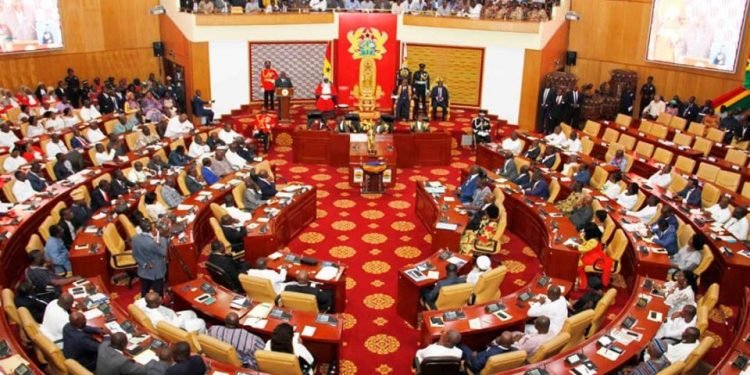
Parliament has approved a US$300 million World Bank credit facility to support the Secondary Education Transformation for Access, Relevance and Results for Jobs (STARR-J) Project, a major initiative aimed at improving access to quality secondary education, upgrading school infrastructure and eliminating challenges associated with overcrowding in Ghana’s senior high schools. The approval marks one of the largest recent investments in the country’s secondary education sector.

The approval comes at a time when stakeholders in the education sector continue to express concern over infrastructure deficits in many public secondary schools across the country. Since the implementation of the Free Senior High School programme, enrolment levels have increased significantly, creating pressure on classrooms, dormitories, libraries, laboratories and other essential educational facilities.According to information presented before Parliament, the STARR-J project seeks to address these challenges by financing the construction of new educational infrastructure while improving the quality and relevance of secondary education. The project will particularly focus on upgrading Category C schools and improving learning conditions in institutions that currently face severe infrastructure constraints.

Government officials have indicated that the facility will support the construction of additional classrooms, science laboratories, libraries, dormitories and sanitation facilities. The initiative is also expected to strengthen technical and vocational education while improving governance and accountability within the education sector.
Education experts have welcomed the approval, arguing that improved infrastructure remains one of the most critical factors in enhancing educational outcomes. They note that many schools continue to operate under difficult conditions, with some students studying in overcrowded classrooms and others lacking access to modern learning resources.The project is also expected to contribute to efforts aimed at eliminating the double-track system introduced to accommodate increased enrolment under the Free SHS policy. Although the system expanded access to education, many stakeholders have consistently called for increased investment in infrastructure to allow all students to attend school under a single-track arrangement.

Teacher unions have similarly praised the initiative, noting that improved infrastructure will not only enhance student learning but also create a better working environment for teachers. They believe the development could improve academic performance and contribute to the overall quality of education nationwide.Beyond the educational benefits, economists say the project could generate employment opportunities through construction activities and related services. Local contractors, artisans, engineers and suppliers are expected to benefit from the implementation of the programme.Some Members of Parliament have, however, stressed the importance of transparency and accountability in the utilisation of the funds. They have called for regular monitoring and evaluation mechanisms to ensure that the project delivers value for money and achieves its intended objectives.Education stakeholders remain optimistic that the investment will significantly improve educational infrastructure across the country and help prepare students with the skills needed for future employment opportunities. If implemented successfully, the STARR-J project is expected to become a major milestone in Ghana’s efforts to transform secondary education and support national development.
Source:Graphic Online
By: Oppong Richard