

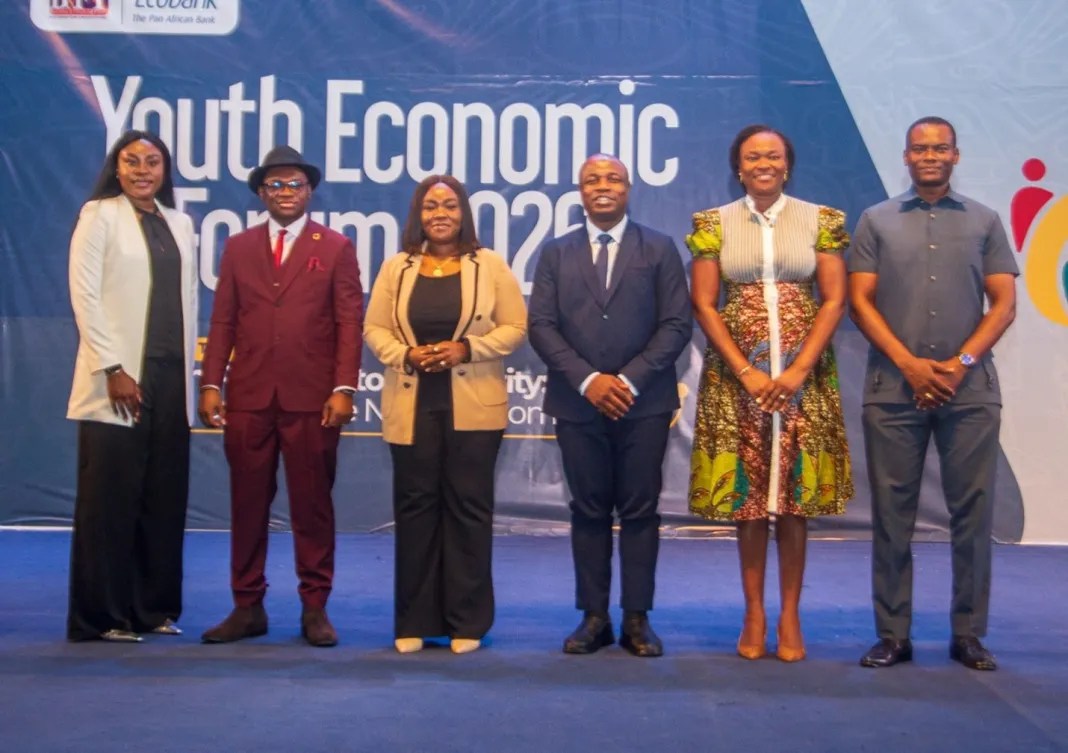
The Youth Economic Forum has grown beyond the limits of a traditional one day gathering, evolving into a continent wide youth driven platform that continues to shape conversations around economic participation and opportunity across Africa. Organised by the Business and Financial Times, the forum has steadily expanded its influence, drawing over 2,500 participants to its most recent edition held at the Kofi Ohene Konadu Auditorium at the University of Professional Studies Accra.
What began as an event designed to convene young people around issues of entrepreneurship and economic inclusion has now transitioned into a sustained community. This shift reflects a broader trend observed across global youth development initiatives, where engagement is no longer confined to physical events but extended through digital ecosystems that maintain interaction and continuity. According to reports from development institutions such as the World Bank and the United Nations Development Programme, youth focused platforms that integrate digital engagement with on ground activities are significantly more effective in sustaining participation and delivering long term impact.
At the center of the forum’s transformation is a deliberate strategy that redefined its core objective. Rather than focusing solely on attendance figures, organisers prioritised building a network that fosters belonging and continuous engagement. This approach has enabled the forum to attract participants not only from Ghana but from several African countries, positioning it as a growing pan African initiative.

A key component of this expansion has been the recruitment of 100 ambassadors across Africa. These individuals serve as grassroots connectors, promoting the forum within their local communities and institutions. Their role extends beyond awareness creation, contributing to the localisation of discussions and ensuring that the forum resonates with diverse audiences. Industry experts note that peer driven outreach models often outperform conventional advertising strategies, particularly among younger demographics, due to their authenticity and relatability.
In addition to ambassador driven engagement, the forum has leveraged digital platforms to host webinars and virtual sessions throughout the year. These sessions have played a critical role in maintaining momentum between annual editions, offering participants continued access to knowledge sharing, mentorship, and networking opportunities. Analysts in digital marketing highlight that such hybrid engagement models are increasingly becoming standard practice, particularly in emerging markets where access to physical events may be limited.
The theme for the latest edition, From Potential to Prosperity Youth Driving the New Economy, reflects the forum’s emphasis on actionable outcomes. Ghana, like many African countries, has a youthful population, with more than 60 percent under the age of 35 according to national demographic data. This demographic reality has intensified the need for platforms that not only inspire but also equip young people with the tools required to navigate economic challenges.
During the event, participants engaged in a range of activities including policy discussions, masterclasses, and startup pitch sessions. Notably, ten startups received structured financial support and mentorship packages following their presentations. While exact figures were not publicly disclosed, similar startup support initiatives across Africa often range between 5,000 and 50,000 US dollars in combined funding and services, according to data from venture support organisations and innovation hubs.

The scale and impact of the forum have also attracted significant media attention. Coverage by major Ghanaian television networks including Joy News, Joy Business, Channel One Television, and Metro Television underscores the growing relevance of the initiative within national discourse. Media analysts suggest that such coverage indicates recognition not only of the event itself but of its broader implications for youth economic development in Ghana.
Statements from organisers further highlight the philosophy driving the forum’s growth. “The brief wasn’t just to market an event. It was to make young people across Africa feel that something was happening and that it was for them.” This perspective aligns with contemporary marketing principles that emphasise emotional connection and community building over transactional engagement.
Another notable reflection from the organisers states, “The best events don’t feel marketed. They feel inevitable, like something that was always going to happen, and you’re glad you were there.” This insight captures the underlying strategy that has contributed to the forum’s success, where consistent messaging and sustained engagement create a sense of anticipation and ownership among participants.
The Youth Economic Forum’s evolution mirrors a broader shift in how events are conceptualised and executed in the digital age. Rather than existing as isolated occurrences, successful platforms are increasingly designed as continuous experiences that integrate physical gatherings with digital interaction. This model not only enhances reach but also ensures that the impact extends beyond the event itself.
As the forum moves into future editions, its trajectory suggests continued growth both in scale and influence. With a foundation built on community engagement, strategic communication, and practical outcomes, it represents a case study in how youth focused initiatives can transition from temporary events into enduring movements.