

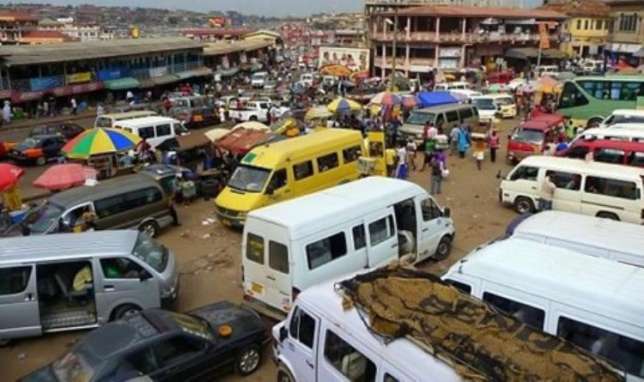
The Ghana Private Road Transport Union has suspended its planned 20 percent increase in transport fares following strong intervention from government authorities, who described the proposed adjustment as illegal and unapproved.
The directive comes amid rising public concern after reports circulated suggesting that transport fares would increase nationwide beginning June 2, driven by fuel price pressures and operational costs. However, officials have now clarified that no such increment has been sanctioned under existing regulatory frameworks.
According to transport regulators, fare adjustments in Ghana must follow a structured negotiation process involving the Ministry of Transport, the Ghana Private Road Transport Union, and other recognized transport operators. Any unilateral decision outside this framework is considered invalid.

Government sources emphasized that the announcement of a 20 percent increase did not go through the legally required consultation and approval process. As a result, the directive to suspend the increment was issued to protect commuters from what authorities described as an unauthorized fare adjustment.
The Ghana Private Road Transport Union subsequently confirmed that it would comply with the directive and halt any planned changes to transport fares until proper engagements are concluded with the relevant stakeholders.
The development highlights ongoing tensions between transport operators and regulators, particularly at a time when fuel prices and operational expenses continue to fluctuate. While transport unions often cite rising costs as justification for fare adjustments, authorities insist that such changes must be carefully managed to avoid undue pressure on commuters.

Officials from the National Petroleum Authority recently announced adjustments to fuel price floors, with petrol set at approximately $1.02 per litre and diesel slightly higher. These changes have contributed to broader discussions about transport costs and the financial sustainability of operators.
Despite these pressures, government maintains that fare increases must be balanced against the economic realities faced by the public. With inflation and cost of living concerns already affecting households, regulators say unauthorized fare hikes could worsen financial strain for commuters who rely heavily on public transport.
Industry analysts note that Ghana’s transport sector operates within a delicate equilibrium, where fuel prices, spare parts costs, and currency fluctuations all influence fare structures. However, they also point out that regulatory oversight is critical in ensuring fairness and preventing arbitrary increases.
The suspension of the planned increment is therefore seen as a move to reinforce regulatory authority and maintain order within the transport pricing system. It also sends a signal that transport operators must adhere strictly to agreed processes when proposing fare changes.

For commuters, the announcement provides immediate relief, as fears of a sudden increase in daily transport costs have been temporarily eased. However, uncertainty remains over whether a future adjustment could still be approved following formal negotiations.
The Ministry of Transport is expected to engage transport unions in further discussions to assess the impact of current economic conditions on the sector and determine whether a justified and regulated fare review may be necessary.
As the situation evolves, both government and transport operators face the challenge of balancing sustainability within the transport industry with affordability for the general public.