

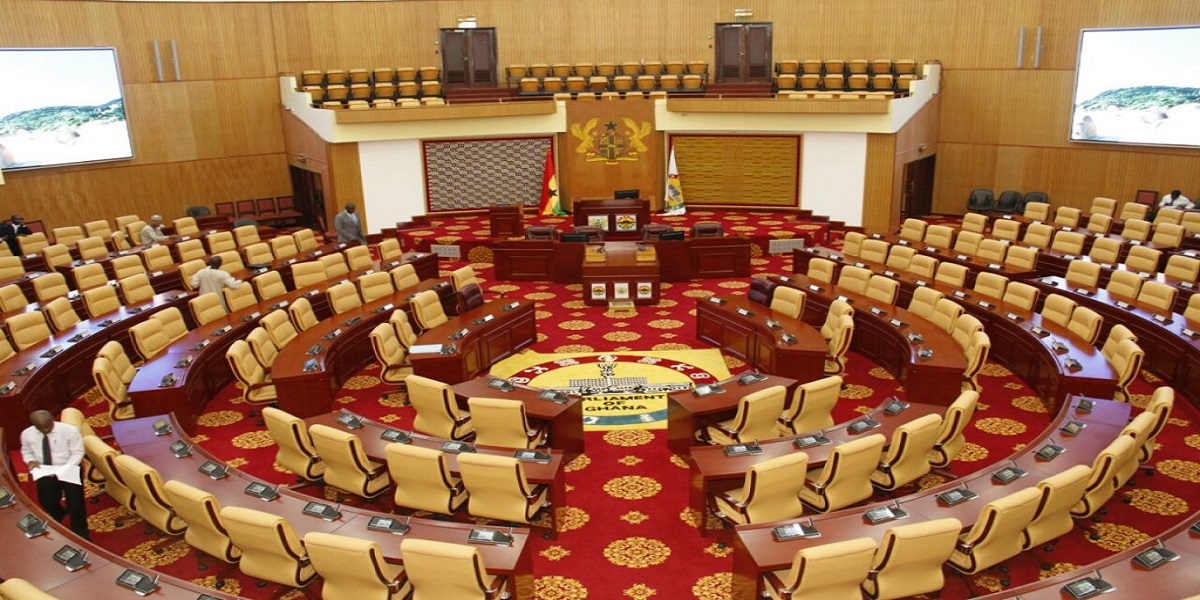
Ghana’s Parliament has officially passed the revised Human Sexual Rights and Family Values Bill 2025, widely known as the anti-LGBTQ bill, following months of heated national debate and political tension.
The legislation, which has sparked strong reactions both locally and internationally, was approved after prolonged deliberations among lawmakers, reflecting deep divisions over issues of human rights, cultural values, and legal governance.
The bill seeks to criminalise same-sex relationships and related advocacy activities, introducing stricter penalties than previously proposed versions. Supporters argue that the law is necessary to protect Ghanaian cultural and family values, while critics maintain that it infringes on fundamental human rights and freedoms guaranteed under the constitution.

The passage of the bill comes after sustained public discourse involving religious bodies, civil society organisations, legal experts, and international stakeholders. Proponents, including several religious and traditional leaders, have consistently framed the legislation as a moral imperative, insisting that it reflects the will of the majority of Ghanaians.
However, opposition voices have raised serious constitutional and legal concerns. Critics argue that the bill could undermine freedom of expression, association, and privacy, warning that it may expose individuals and organisations to potential abuse or wrongful prosecution. Legal analysts have also questioned whether certain provisions of the bill could withstand judicial scrutiny if challenged in court.
The legislative process itself was marked by intense exchanges in Parliament, with some lawmakers pushing for even stricter provisions, while others called for a more balanced approach that considers Ghana’s international obligations. Despite these disagreements, the final vote demonstrated significant parliamentary support for the bill.

The development is expected to draw attention from international human rights organisations and foreign governments, many of which have previously expressed concern over the proposed law. Ghana, often regarded as a stable democracy in West Africa, now faces potential diplomatic and economic implications depending on how the situation evolves.
Attention is now shifting to the executive branch, where President John Dramani Mahama is expected to decide whether to assent to the bill or refer it back for further review. His decision will be critical in determining the next phase of the legislation’s journey and its potential impact on Ghana’s legal and political landscape.
Observers note that even if the bill is signed into law, legal challenges are almost certain, setting the stage for a possible constitutional showdown in Ghana’s courts. The outcome could shape not only the future of LGBTQ-related legislation in the country but also broader interpretations of constitutional rights.

As the situation develops, the passage of the bill marks a defining moment in Ghana’s socio-political history, highlighting the ongoing tension between cultural values and evolving global human rights standards.
Lincoln University cancels Honorary Doctorate for president Mahama amid LGBTQ+ controversy