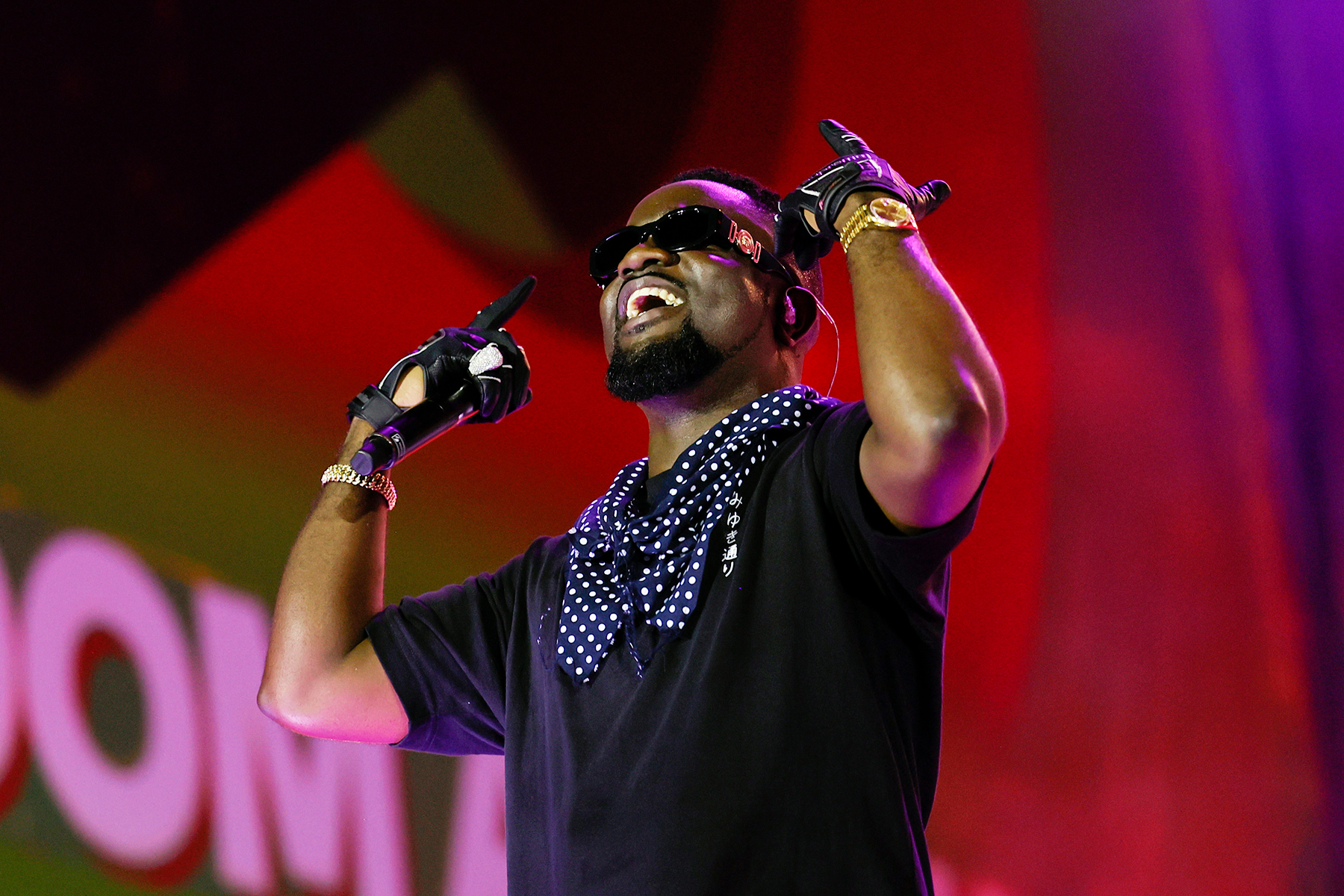
Sarkodie appeals to event organisers to avoid scheduling performances at 4 a.m.

0
75

Ghanaian rapper Sarkodie has made a public appeal to event organisers across the country and beyond, urging them to avoid scheduling his performances in the early hours of the morning, particularly around 4 a.m., citing the impact such timing has on his energy levels and overall performance quality.

The award-winning musician, widely regarded as one of Africa’s most consistent live performers, explained that while he appreciates the vibrant nightlife culture that often keeps audiences engaged until dawn, his physical capacity to deliver high quality performances reduces significantly after prolonged delays.

According to him, his peak performance window is usually before 1 a.m., after which his energy begins to decline naturally. He stressed that late stage appearances often result in less engaging shows for fans, something he is keen to avoid.

sarkodie

“To my people in most towns outside Accra, I get that you guys love to party till morning,” Sarkodie said in remarks shared with fans. “But as a performer, my energy is at its highest level until about 1 a.m. max. Any moment after that, my body starts to shut down which is natural.”

He further added that performing as late as 4 a.m. is physically demanding and not sustainable for live entertainers, describing such scheduling as unrealistic for maintaining peak artistic delivery.

“I be tired performing around 4 a.m. in the morning, that is not normal for the human body,” he said, urging organisers to prioritise earlier performance slots to ensure audiences get the best experience possible.

Sarkodie’s comments have reignited long standing discussions within Ghana’s entertainment industry about poor event planning and time management, especially at concerts held outside major cities where delays often push headline performances into the early morning hours.

Sarkodie appeals to event organisers to avoid scheduling performances at 4 a.m.

Industry observers note that such delays are usually caused by extended DJ sets, multiple supporting acts, and poor coordination of event timelines, which cumulatively affect the quality of headline performances.

The rapper, known privately as Michael Owusu Addo, has built a reputation over nearly two decades for high energy performances across Ghana and international stages. His live shows have often been highlighted as a key part of his brand, contributing to his status as one of Ghana’s most influential music exports.

His appeal is expected to spark renewed debate among promoters, event organisers and stakeholders about the need for stricter adherence to show schedules, particularly as Ghana’s live music scene continues to grow and attract larger audiences.

sarkodie

Sarkodie’s message also reflects a broader concern among performing artists about the sustainability of late night shows, with many advocating for improved professionalism in event execution to enhance audience satisfaction and artist wellbeing.

As conversations continue, fans and industry players alike are watching closely to see whether organisers will adjust their practices in response to growing concerns from top performers.

Sarkodie finally replies to I Am Not Yvonne Nelson.

Author

  • Daniel Ablordey

    Daniel Ablordey is a Business Analytics student at the University of Ghana Business School and an emerging strategist at the intersection of data, markets, and narrative. With a keen analytical mind and a passion for African business and economic trends, he is building a career focused on translating complex data-driven insights into accessible, decision-relevant stories that matter.As a writer and editor with Insight Ghana, African Business Insight, and The African Journal, Daniel delivers sharp, high-impact analysis on current affairs, business developments, and emerging trends across the continent. His work is defined by precision, clarity, and a deep commitment to responsible journalism — ensuring that every story he tells is not only accurate but meaningful to the audiences it serves.Beyond his editorial work, Daniel serves as an Ecobank Youth Ambassador, where he actively promotes financial inclusion, digital banking, and financial literacy among young Ghanaians. His leadership experience spans academic, professional, and faith-based institutions, where he has consistently driven initiatives centered on growth, structure, and long-term impact.Grounded in the principles of Pan-Africanism and service, Daniel brings a rare combination of analytical rigour and storytelling depth to his work. Whether unpacking market behavior, profiling emerging business leaders, or covering cultural shifts shaping the continent, he approaches every assignment with strategic intent and editorial integrity.His broader ambition is to contribute to Africa's transformation by shaping how data, business, and storytelling intersect — not just locally, but on a global stage.

Previous articleEnergy Minister says Ghana’s electricity supply remains largely stable despite recent outages
Next articleGhana Library Authority partners SANITOPIA CIC to commission modern WASH facility in Accra
Daniel Amenyo Ablordey
Daniel Ablordey is a Business Analytics student at the University of Ghana Business School and an emerging strategist at the intersection of data, markets, and narrative. With a keen analytical mind and a passion for African business and economic trends, he is building a career focused on translating complex data-driven insights into accessible, decision-relevant stories that matter.As a writer and editor with Insight Ghana, African Business Insight, and The African Journal, Daniel delivers sharp, high-impact analysis on current affairs, business developments, and emerging trends across the continent. His work is defined by precision, clarity, and a deep commitment to responsible journalism — ensuring that every story he tells is not only accurate but meaningful to the audiences it serves.Beyond his editorial work, Daniel serves as an Ecobank Youth Ambassador, where he actively promotes financial inclusion, digital banking, and financial literacy among young Ghanaians. His leadership experience spans academic, professional, and faith-based institutions, where he has consistently driven initiatives centered on growth, structure, and long-term impact.Grounded in the principles of Pan-Africanism and service, Daniel brings a rare combination of analytical rigour and storytelling depth to his work. Whether unpacking market behavior, profiling emerging business leaders, or covering cultural shifts shaping the continent, he approaches every assignment with strategic intent and editorial integrity.His broader ambition is to contribute to Africa's transformation by shaping how data, business, and storytelling intersect — not just locally, but on a global stage.