

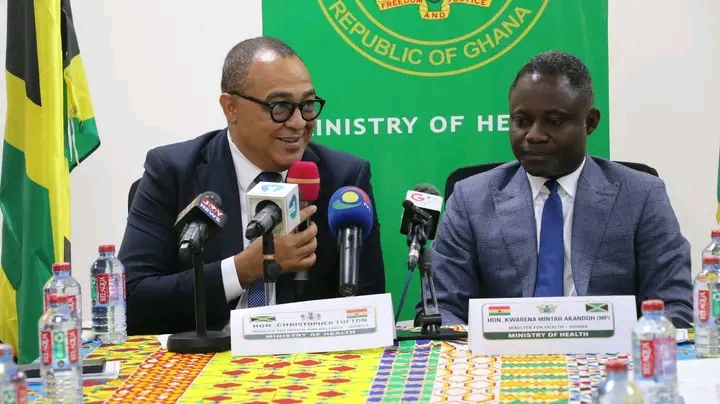
The governments of Ghana and Jamaica have entered into a new partnership focused on cross border healthcare worker recruitment, as both countries seek to strengthen cooperation in the health sector and address workforce challenges.
The agreement was announced during the visit of Jamaica’s Minister of Foreign Affairs and Foreign Trade, Senator Kamina Johnson Smith, to Ghana as part of activities marking the launch of Ghana’s new electronic visa portal and African Union Day celebrations.
According to reports, the collaboration will focus on creating structured pathways for the recruitment and exchange of healthcare professionals between the two countries.

The initiative comes at a time when many countries across Africa and the Caribbean are facing shortages of healthcare workers due to rising global demand for medical professionals, migration pressures and increasing healthcare needs. Ghana, like several developing countries, has experienced concerns over the movement of trained nurses and healthcare staff to higher paying markets abroad.
Government officials say the partnership aims to ensure that healthcare worker mobility is managed through formal agreements that protect the interests of both countries while creating professional opportunities for workers.
The discussions also reflect growing diplomatic and historical ties between Ghana and Jamaica, two nations that have repeatedly highlighted their shared cultural and Pan African connections. During her visit, Kamina Johnson Smith praised Ghana’s leadership in promoting African and Caribbean cooperation and acknowledged the longstanding relationship between the two countries.
Health sector analysts note that bilateral recruitment arrangements are becoming increasingly common as countries attempt to balance domestic workforce needs with international demand for skilled medical personnel. Structured agreements are often viewed as a way to reduce irregular migration and improve coordination on training, licensing and employment standards.

The partnership could also create opportunities for knowledge exchange, specialised medical training and broader cooperation between institutions in both countries. Officials have suggested that the agreement may eventually extend beyond recruitment to include collaboration in healthcare systems development and medical education.
Ghana’s government has in recent years placed greater emphasis on healthcare workforce planning, especially after the pressure placed on health systems globally during the COVID 19 pandemic. Policymakers have repeatedly stressed the need to retain skilled professionals while also creating sustainable pathways for international collaboration.
Jamaica has similarly faced healthcare staffing challenges, particularly due to migration of nurses and medical professionals to North America and Europe. The agreement with Ghana is therefore expected to support both countries in addressing workforce gaps while strengthening South South cooperation.
Observers say the partnership represents a broader trend of developing countries working together to manage labour mobility and reduce dependence on traditional Western recruitment channels.

The announcement also aligns with wider efforts by African and Caribbean states to deepen diplomatic and economic engagement through practical cooperation in sectors such as health, education, trade and technology.
While details of the recruitment framework are still expected to be finalised, officials from both countries have indicated that discussions will continue in the coming months to establish implementation mechanisms and operational guidelines.