

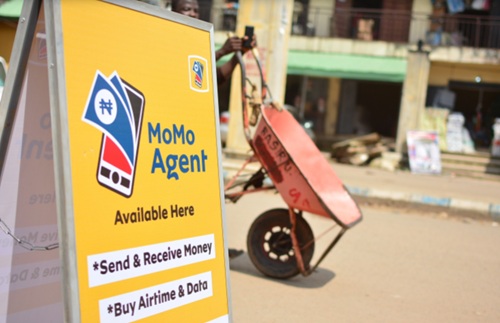
The Bank of Ghana has directed MTN Mobile Money to suspend the newly introduced 0.75 percent charge on wallet to bank transfers, following growing public concern and scrutiny over the policy.
The directive comes just days before the fee was scheduled to take effect on June 1, 2026, and signals regulatory intervention in what has quickly become a sensitive issue for millions of mobile money users across the country.
MTN Ghana had earlier announced that transfers from MoMo wallets to bank accounts would attract a 0.75 percent charge per transaction, capped at GH¢5. The adjustment was positioned as part of broader efforts to align pricing structures within Ghana’s evolving digital financial ecosystem.
However, the announcement triggered widespread backlash from customers, consumer groups and financial observers, many of whom argued that the fee would increase the cost of financial transactions at a time when digital payments are being actively promoted for financial inclusion and economic efficiency.

Sources within the financial sector indicate that the Bank of Ghana intervened after reviewing the potential impact of the fee on consumers and the broader digital payments landscape. The central bank is said to have raised concerns about the timing of the charge and its possible implications for public confidence in mobile money services.
The suspension means that MTN MoMo users will continue to transfer funds from their wallets to bank accounts without the additional 0.75 percent charge, at least until further notice or regulatory guidance is issued.
The development highlights the growing importance of mobile money in Ghana’s financial system, where platforms such as MTN MoMo serve as a critical bridge between traditional banking services and the unbanked population.
Over the past decade, Ghana has emerged as one of Africa’s leading mobile money markets, with millions of users relying on digital wallets for everyday transactions including payments, remittances, savings and business operations.

The Bank of Ghana has consistently emphasised the need to balance innovation with consumer protection, particularly as digital financial services continue to expand rapidly across the country.
Industry analysts note that pricing changes within the mobile money ecosystem often require careful coordination with regulators due to their widespread economic impact. Any adjustment to transaction fees can influence user behaviour, transaction volumes and overall adoption of digital financial services.
The central bank’s latest directive reinforces its role as a key regulator in maintaining stability, fairness and trust within Ghana’s financial system. It also sends a signal to fintech operators and telecom providers that major pricing decisions must align with broader national financial inclusion goals.
MTN Ghana has yet to release a detailed public statement outlining the next steps following the Bank of Ghana’s directive. However, the company is expected to engage further with regulators to review the proposed fee structure and determine a way forward that balances operational sustainability with customer affordability.

The issue also comes at a time when digital payments are playing an increasingly important role in Ghana’s economy, supporting commerce, reducing cash dependency and improving transparency in financial transactions.
For many users, the suspension of the fee will come as a relief, particularly for small businesses and individuals who depend on frequent transfers between mobile wallets and bank accounts.
While it remains unclear whether the fee will be reintroduced in a revised form, the situation underscores the ongoing tension between service providers seeking to monetise digital platforms and regulators focused on protecting consumers and sustaining growth in the digital economy.
MTN MoMo introduces 0.75% fee on bank transfers from June 2026