

More than 6,000 young Ghanaians have been disqualified from the country’s ongoing security services recruitment exercise after failing newly introduced drug screening and mental health assessments, a development that has sparked national debate about youth wellbeing, workforce readiness and the state of public health support systems.
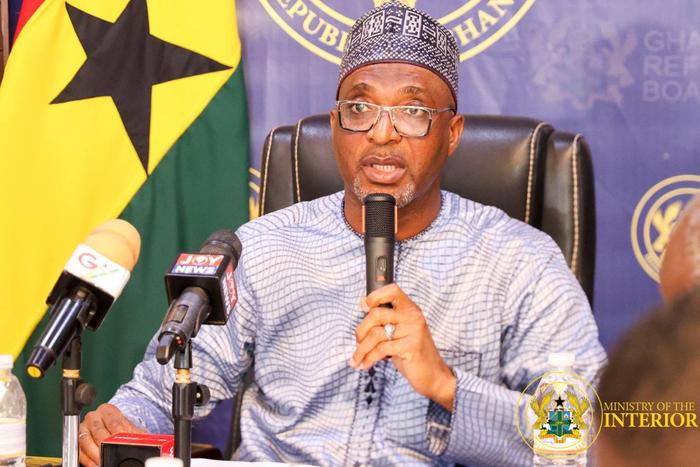
According to Interior Minister Mohammed Muntaka Mubarak, the screening exercise involved over 100,000 applicants who were seeking entry into Ghana’s core security agencies, including the police, immigration, fire service and prisons service. He explained that the recruitment process this year went beyond the usual physical fitness and academic checks, introducing expanded medical evaluations designed to assess psychological stability and substance use.
“Over 100,000 people went through the medicals,” the Minister stated during an interview on Pan African TV. “Because of what we have observed within the services, we introduced additional checks including mental health assessments and drug tests. Interestingly, over 4,000 people failed the drug test, and we have over 2,000 who also failed due to mental health conditions.”

The figures, now widely circulated across media outlets, show that more than 4,000 applicants tested positive for drug use while around 2,000 were disqualified after mental health evaluations. Officials say the combined total highlights growing concerns about fitness levels among applicants for sensitive national roles that demand discipline, stability and resilience.
Security recruitment in Ghana has traditionally focused on academic qualifications, physical endurance and general medical fitness. However, the latest exercise reflects a shift in standards driven by internal reviews within the security services, where leadership has reportedly raised concerns about personnel wellbeing, stress management and operational reliability.
Public service analysts say the expanded screening is part of a broader attempt to strengthen institutional effectiveness, particularly as Ghana’s security agencies face rising operational pressures linked to urbanisation, population growth and evolving crime patterns. The introduction of drug testing and mental health checks is therefore being positioned as a preventive measure to ensure that recruits are not only physically fit but also psychologically prepared for demanding roles.
However, the disqualification figures have also triggered wider social reflection. With more than 100,000 applicants competing for limited positions, the recruitment exercise itself highlights the intense job scarcity facing young people in Ghana. Many applicants see security services jobs as stable and prestigious career paths, making the high disqualification rate particularly significant in public discourse.
While the Interior Ministry has not released detailed demographic breakdowns, the scale of disqualification has raised questions among education and mental health advocates about underlying societal pressures. Experts point to increasing stress levels among young people, limited access to mental health support, and growing exposure to substance abuse in some communities as possible contributing factors.
Ghana’s public health system has historically struggled with limited mental health infrastructure, despite reforms such as the Mental Health Act of 2012. Access to counselling services remains uneven, particularly outside major urban centres. This has led to concerns that many young people may be navigating psychological challenges without adequate professional support.

At the same time, substance abuse among youth has been flagged repeatedly in national policy discussions. Authorities have previously warned that drug use among some segments of the youth population poses risks not only to individual health but also to national productivity and security readiness. The latest recruitment outcome appears to reinforce those concerns in a tangible way.
The Ministry of the Interior has defended the screening process, arguing that it is necessary to protect the integrity and operational effectiveness of the security services. Officials say the inclusion of mental health evaluations is not intended to stigmatise applicants but to ensure that individuals selected for service can cope with high pressure environments, including emergency response, border security and correctional duties.
Beyond the immediate recruitment outcome, the data is also being interpreted as a signal for policy intervention. Stakeholders in education, health and youth development are increasingly calling for early intervention systems in schools, expanded mental health education and stronger rehabilitation frameworks for young people struggling with substance dependence.
The recruitment exercise, which has attracted widespread attention, is also seen as part of ongoing reforms within Ghana’s public sector hiring systems. Authorities have been working to digitise and standardise recruitment processes to reduce fraud, improve transparency and ensure merit-based selection.
As the process continues, attention is likely to remain focused on what happens next for those disqualified. While the security services have emphasised fitness standards, observers argue that the broader challenge lies in addressing the underlying health and social issues affecting the youth population before they reach the recruitment stage.
For now, the figures stand as one of the most striking indicators of the intersection between youth unemployment, public health and national security in Ghana’s current socio-economic landscape.
Ghana Armed Forces Extends Recruitment Deadline After Portal Glitches