

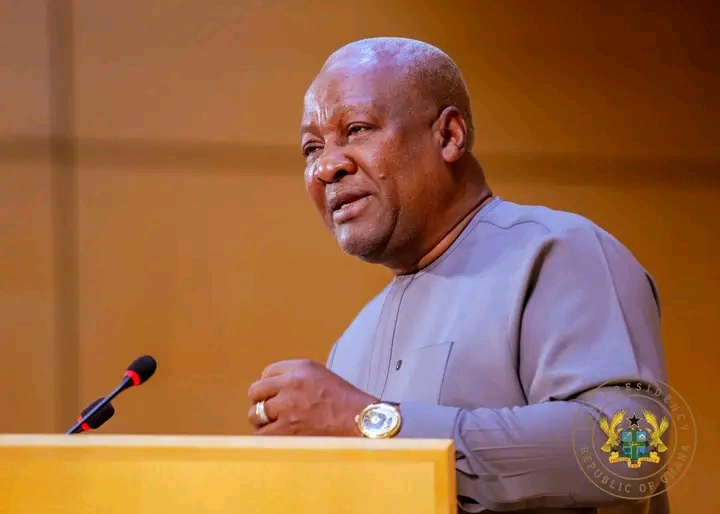
President John Dramani Mahama is expected to play a leading role in discussions on health sovereignty and healthcare resilience during the 79th World Health Assembly in Geneva, Switzerland, as Ghana positions itself within broader global conversations on strengthening health systems and reducing dependence on foreign medical supply chains.
The annual gathering, organised by the World Health Organization, brings together world leaders, health ministers, international agencies and development partners to discuss major global health priorities, disease preparedness and healthcare financing.
According to reports, President Mahama’s participation will focus heavily on advancing Africa’s push for health sovereignty, a concept that has gained increasing attention since the COVID-19 pandemic exposed the continent’s dependence on imported vaccines, pharmaceuticals and medical equipment.
Health sovereignty broadly refers to a country or region’s ability to independently manage and secure critical healthcare resources, including medicine production, vaccine manufacturing, disease surveillance systems and emergency response infrastructure.

Officials close to the presidency say Mahama is expected to advocate stronger investment in local pharmaceutical production, regional cooperation in healthcare systems and expanded medical research capacity across Africa.
The discussions are likely to resonate strongly with African leaders who have repeatedly argued that the continent must reduce reliance on external supply chains that often become disrupted during global crises.
During the COVID-19 pandemic, many African countries struggled to access vaccines and essential medical supplies as wealthier nations secured large portions of global stockpiles. The crisis triggered renewed calls for local manufacturing and stronger continental healthcare coordination.
Ghana has in recent years taken steps toward expanding healthcare infrastructure and improving domestic pharmaceutical capacity. Government initiatives, including the ongoing completion of hospitals under the Agenda 111 programme, are part of broader efforts to improve healthcare access nationwide.

Analysts say Mahama’s appearance at the World Health Assembly also reflects Ghana’s attempt to strengthen its role in international health diplomacy while attracting investment into the country’s healthcare and biotechnology sectors.
The 79th World Health Assembly is expected to address several pressing global health concerns, including pandemic preparedness, climate related health risks, antimicrobial resistance and equitable healthcare financing for developing countries.
International health experts have increasingly emphasised that health security is now closely linked to economic stability and national development. Countries with stronger healthcare systems are generally seen as more resilient against future pandemics and global disruptions.

The assembly comes at a time when several African governments are pushing for reforms in global health governance, arguing that developing countries should have greater representation in decisions affecting international health emergencies and resource allocation.
Observers say Ghana’s participation could also strengthen partnerships with international organisations and development institutions interested in supporting healthcare expansion projects across West Africa.
President Mahama is expected to engage with other African leaders, WHO officials and global health stakeholders during the Geneva meetings as discussions continue on how to build more independent, equitable and resilient healthcare systems worldwide.
