Gov’t to complete 35 Agenda 111 hospitals as Mahama pushes to finish stalled health projects

0
63

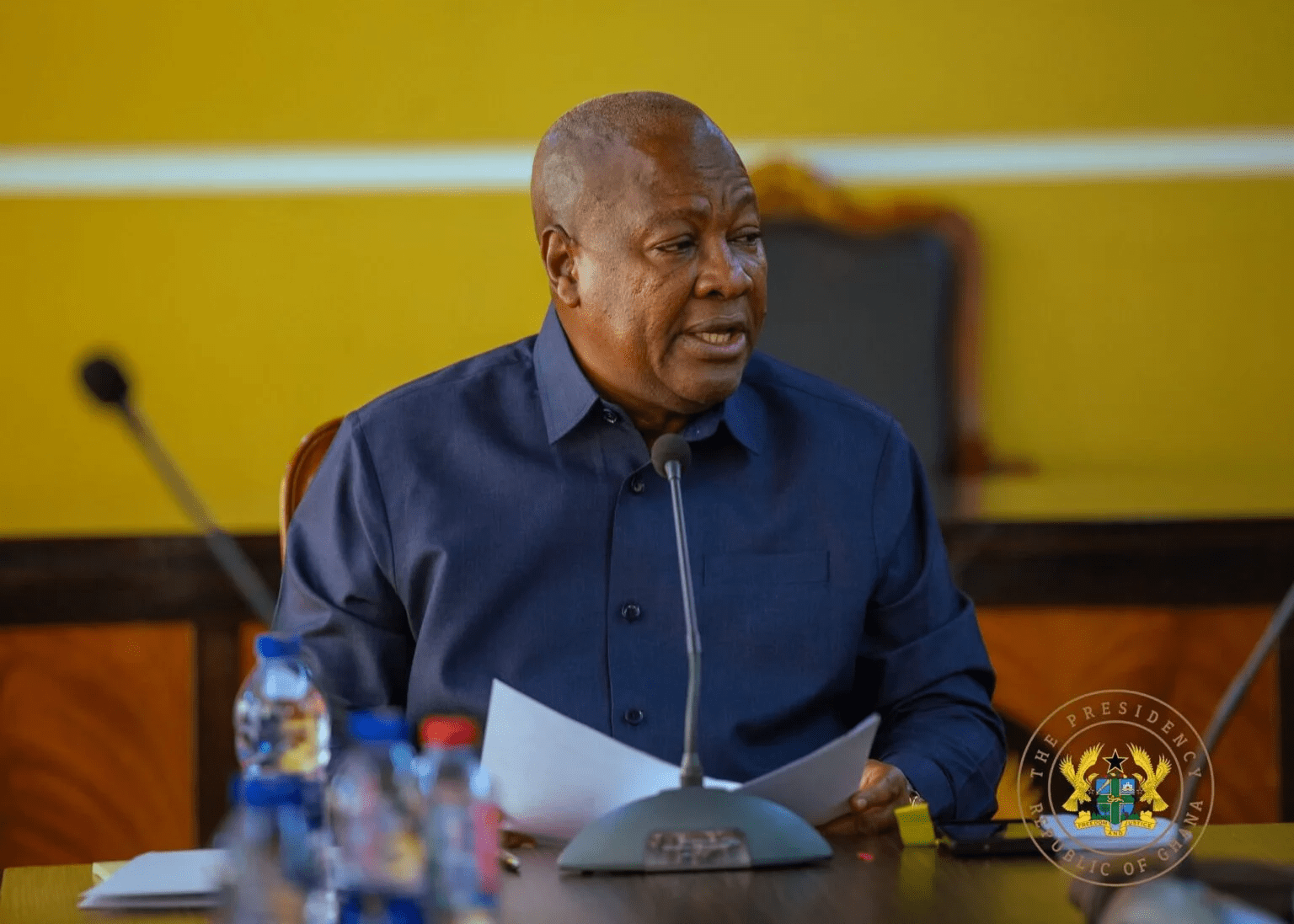
President John Dramani Mahama has announced that government will prioritise the completion of 35 hospitals under the Agenda 111 health infrastructure programme within the year, as part of a revised strategy aimed at ensuring that stalled facilities are completed and brought into full operation.

The decision forms part of efforts to restructure the implementation of one of Ghana’s largest healthcare infrastructure projects, which was originally designed to expand access to specialist and district level hospitals across underserved communities.

The Agenda 111 initiative was launched to address gaps in Ghana’s health infrastructure, particularly in districts without adequate hospital facilities. The programme covers the construction of district hospitals, regional hospitals, and specialised psychiatric and infectious disease centres, with the aim of improving access to healthcare and reducing pressure on existing facilities.

agenda 111,mahama

President Mahama indicated that the government’s revised approach focuses on prioritising completion over expansion, ensuring that existing structures are fully operational rather than leaving multiple projects unfinished. This shift is intended to maximise public investment and deliver immediate healthcare benefits to citizens.

Health infrastructure remains a critical challenge in Ghana, particularly in rural and peri urban areas where access to quality medical care is limited. Delays in hospital completion have previously been attributed to funding constraints, contractor issues, and supply chain disruptions affecting construction timelines.

The completion of 35 hospitals is expected to significantly improve healthcare delivery in several regions, increasing bed capacity, expanding emergency services, and improving access to maternal and child healthcare. Government officials argue that operationalising existing facilities is more cost effective and impactful than initiating new projects while others remain incomplete.

The Agenda 111 programme has been widely described as one of the most ambitious health infrastructure initiatives in Ghana’s history. However, it has also faced scrutiny over implementation delays and cost overruns. The new strategy signals an attempt to address these concerns by focusing on delivery and functionality.

Government to complete 35 Agenda 111 hospitals

Ghana continues to face pressure on its healthcare system, with overcrowding in major hospitals and uneven distribution of medical facilities across regions. Completing stalled projects is expected to help reduce patient load in urban centres and bring services closer to communities.

Policy analysts note that prioritising completion could also improve public confidence in government infrastructure projects, especially in sectors where delays have historically affected service delivery outcomes. The emphasis on finishing existing hospitals may also support broader reforms in public sector project management.

Mahama has positioned healthcare as a key pillar of his administration’s development agenda, alongside education and economic recovery. The focus on Agenda 111 completion aligns with broader commitments to improve social infrastructure and strengthen public service delivery systems.

If successfully implemented, the completion of the 35 hospitals is expected to provide a tangible boost to Ghana’s healthcare capacity, particularly in emergency response, specialist care, and regional health coverage.

Prez Mahama announces GH¢30.8 Billion allocation for 2026 “Big Push” Programme

Author

  • Daniel Ablordey

    Daniel Ablordey is a Business Analytics student at the University of Ghana Business School and an emerging strategist at the intersection of data, markets, and narrative. With a keen analytical mind and a passion for African business and economic trends, he is building a career focused on translating complex data-driven insights into accessible, decision-relevant stories that matter.

    As a writer and editor with Insight Ghana, African Business Insight, and The African Journal, Daniel delivers sharp, high-impact analysis on current affairs, business developments, and emerging trends across the continent. His work is defined by precision, clarity, and a deep commitment to responsible journalism — ensuring that every story he tells is not only accurate but meaningful to the audiences it serves.

    Beyond his editorial work, Daniel serves as an Ecobank Youth Ambassador, where he actively promotes financial inclusion, digital banking, and financial literacy among young Ghanaians. His leadership experience spans academic, professional, and faith-based institutions, where he has consistently driven initiatives centered on growth, structure, and long-term impact.

    Grounded in the principles of Pan-Africanism and service, Daniel brings a rare combination of analytical rigour and storytelling depth to his work. Whether unpacking market behavior, profiling emerging business leaders, or covering cultural shifts shaping the continent, he approaches every assignment with strategic intent and editorial integrity.

    His broader ambition is to contribute to Africa's transformation by shaping how data, business, and storytelling intersect — not just locally, but on a global stage.

Previous articleEbola outbreak in DR Congo kills 65 as health authorities intensify containment efforts
Next articleGov’t adjusts fuel pump intervention as Ghana continues measures to cushion rising fuel prices
Daniel Amenyo Ablordey
Daniel Ablordey is a Business Analytics student at the University of Ghana Business School and an emerging strategist at the intersection of data, markets, and narrative. With a keen analytical mind and a passion for African business and economic trends, he is building a career focused on translating complex data-driven insights into accessible, decision-relevant stories that matter.

As a writer and editor with Insight Ghana, African Business Insight, and The African Journal, Daniel delivers sharp, high-impact analysis on current affairs, business developments, and emerging trends across the continent. His work is defined by precision, clarity, and a deep commitment to responsible journalism — ensuring that every story he tells is not only accurate but meaningful to the audiences it serves.

Beyond his editorial work, Daniel serves as an Ecobank Youth Ambassador, where he actively promotes financial inclusion, digital banking, and financial literacy among young Ghanaians. His leadership experience spans academic, professional, and faith-based institutions, where he has consistently driven initiatives centered on growth, structure, and long-term impact.

Grounded in the principles of Pan-Africanism and service, Daniel brings a rare combination of analytical rigour and storytelling depth to his work. Whether unpacking market behavior, profiling emerging business leaders, or covering cultural shifts shaping the continent, he approaches every assignment with strategic intent and editorial integrity.

His broader ambition is to contribute to Africa's transformation by shaping how data, business, and storytelling intersect — not just locally, but on a global stage.