

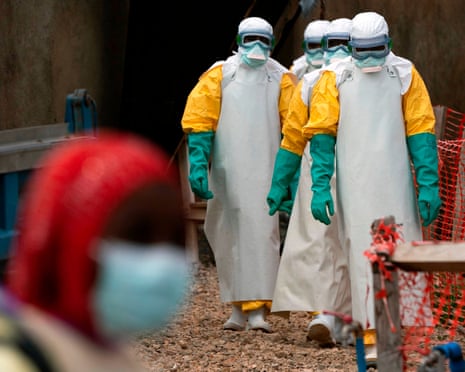
Ebola virus disease has resurfaced in the Democratic Republic of Congo, with at least 65 deaths reported as health authorities scramble to contain a new outbreak in affected regions.
The outbreak is emerging once again in the Democratic Republic of the Congo, a country that has experienced multiple Ebola flare ups over the past decades due to its dense rainforest regions, limited healthcare access in rural areas, and frequent movement of populations between remote communities.
Health officials say the virus has spread across several communities, prompting urgent public health interventions including contact tracing, isolation of suspected cases, and deployment of emergency response teams. The situation is being closely monitored by both national health authorities and international partners.

Ebola virus disease is a severe and often deadly illness transmitted through direct contact with infected bodily fluids or contaminated materials. Symptoms typically include fever, fatigue, muscle pain, vomiting, diarrhoea, and in severe cases, internal and external bleeding.
The global health agency has historically played a central role in supporting outbreak response efforts in the region, including vaccination campaigns, rapid diagnostics, and coordination of international medical assistance during previous epidemics in West and Central Africa.
DR Congo remains one of the countries most affected by Ebola outbreaks globally, with past epidemics resulting in thousands of deaths. The recurring nature of outbreaks has been linked to wildlife transmission in forested areas, particularly through contact with infected animals such as fruit bats, which are believed to be natural hosts of the virus.
Emergency teams are now focusing on breaking chains of transmission through early detection and isolation. Vaccination campaigns using approved Ebola vaccines have also been a key strategy in controlling previous outbreaks, particularly ring vaccination approaches targeting contacts of confirmed cases.

Local health authorities are also working to raise public awareness in affected communities, encouraging hygiene practices such as frequent hand washing, avoiding contact with suspected infected individuals, and safe burial practices, which have historically been critical in reducing transmission.
The reported death toll of 65 highlights the severity of the current situation and raises concerns about potential spread if containment measures are not rapidly scaled up. However, health experts caution that outbreak figures often evolve quickly as more cases are confirmed or ruled out through laboratory testing.
Democratic Republic of the Congo has previously demonstrated the ability to contain Ebola outbreaks through coordinated national and international response efforts, though challenges such as insecurity in certain regions and limited healthcare infrastructure continue to complicate rapid intervention.

Global health authorities are expected to increase surveillance and support measures in the coming days as efforts continue to prevent wider regional spread.