

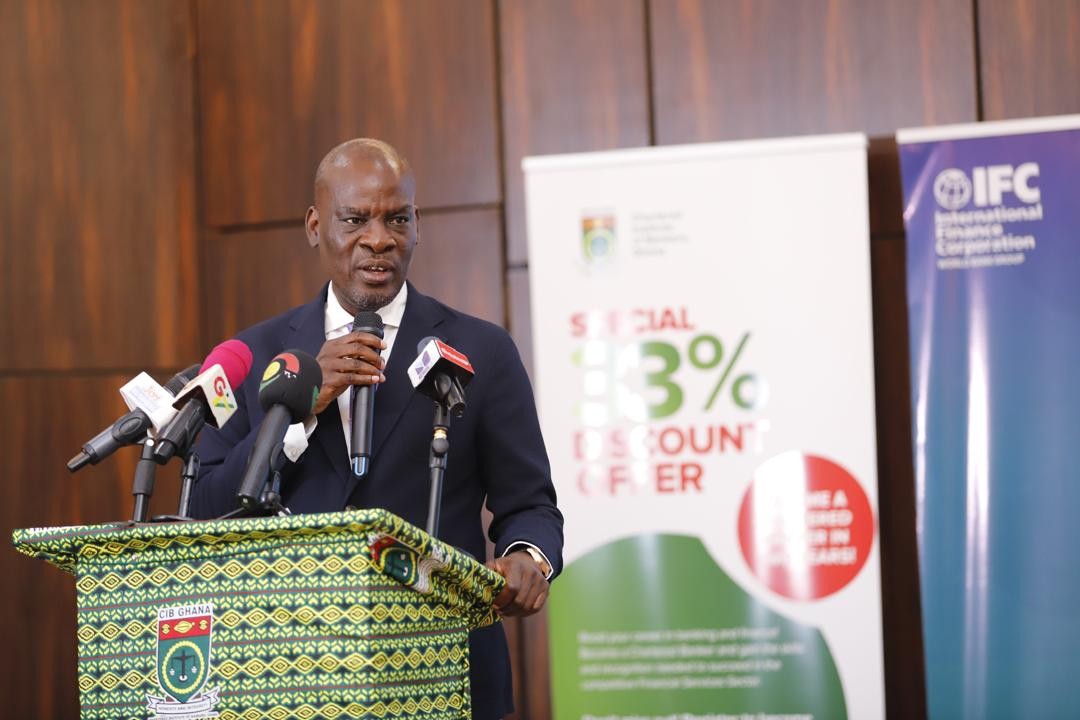
Hon. Haruna Iddrisu has assured Ghanaians that no senior high school under the Free SHS programme will experience food shortages again as the government moves ahead with major reforms to stabilise and improve the policy.
The Education Minister’s comments come after months of growing concern over feeding challenges in several secondary schools across Ghana, with school heads repeatedly warning about delays in food supplies and funding constraints under the Free Senior High School programme.
According to the minister, the government’s revised approach to financing and managing the policy is designed to ensure uninterrupted food supply, improved infrastructure, and sustainable funding for schools nationwide. The assurance also follows public criticism and pressure from stakeholders, including the Conference of Heads of Assisted Secondary Schools (CHASS), which had earlier warned that schools could shut down if feeding challenges persisted.

The feeding crisis became one of the biggest tests for the Free SHS programme in recent months. Some schools reportedly struggled to procure essential food items due to delayed reimbursements and uncertainty surrounding procurement arrangements. This raised fears about the welfare of students, especially boarding students who rely heavily on school feeding systems.
In response, the Ghana Education Trust Fund released nearly GH¢199.5 million to clear arrears owed for perishable food supplies covering the period between October 2025 and February 2026. The payment was intended to prevent disruptions to academic activities and ensure students continued receiving nutritious meals.
The government’s broader strategy now centres on restructuring the financing model of Free SHS. Under the reviewed policy, GETFund is expected to become the principal source of funding for the programme, reducing dependence on petroleum revenues and creating a more stable financing structure. Education authorities say this shift will make it easier to guarantee regular feeding, logistics, and infrastructure support.
Officials have also announced that over GH¢4.2 billion has been allocated toward sustaining and improving Free SHS and Free TVET programmes in 2026. The funding is expected to address long standing concerns such as overcrowding, inadequate dormitories, poor infrastructure, and feeding difficulties.

The Free SHS policy remains one of Ghana’s most transformative but controversial education interventions. Introduced to increase access to secondary education, the programme significantly boosted enrolment across the country. However, rapid expansion placed enormous pressure on school infrastructure, teaching resources, and feeding systems.
Public debate around the policy has intensified in recent years. Critics argue that while Free SHS expanded access, implementation challenges have affected quality and sustainability. Discussions on social platforms and among education stakeholders often point to overcrowding, double track scheduling, and food shortages as major concerns.
Supporters of the programme, however, insist that despite its challenges, Free SHS has opened opportunities for thousands of students who may otherwise not have accessed secondary education. Many believe the solution lies in reforming and strengthening the system rather than abandoning it altogether.
Haruna Iddrisu has repeatedly maintained that the Mahama administration has no intention of cancelling Free SHS but instead wants to review and improve it to ensure quality and sustainability.
The renewed assurance on food supply appears aimed at restoring confidence among parents, students, and school authorities ahead of major national examinations and the next academic cycle. Analysts say ensuring consistent feeding in schools is critical because disruptions can directly affect attendance, student welfare, and academic performance.

Beyond feeding, the government says reforms will include investments in classrooms, dormitories, laboratories, teacher welfare, and school facilities. Education officials believe these changes are necessary if Ghana is to sustain the gains made under the Free SHS initiative while improving educational quality.
For many families, especially low income households, the success or failure of the programme carries significant economic implications. Free SHS has reduced the financial burden of secondary education for millions of parents, making it one of the most politically sensitive social interventions in the country.
As the reforms unfold, attention will now shift from promises to implementation. The key challenge for government will be whether it can consistently fund feeding programmes, improve infrastructure, and maintain quality education standards without the recurring crises that have threatened the system in recent years.
Private SHSs Back Free SHS Pilot Despite Funding Concerns — CHOPSS