

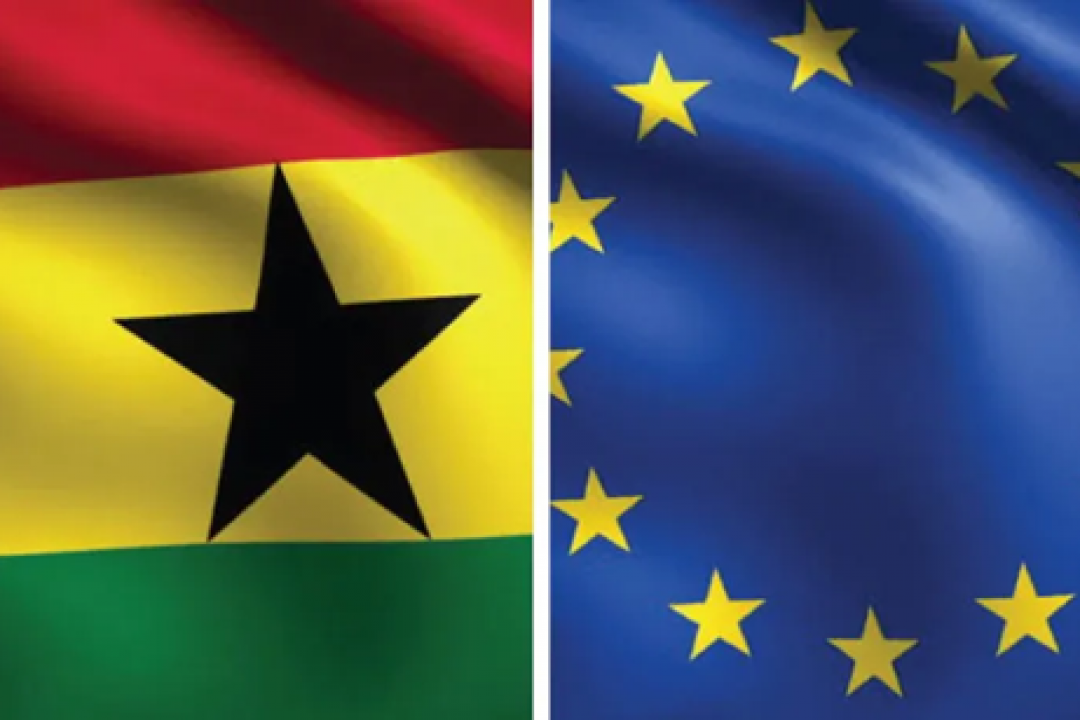
The European Union has announced a €1 billion investment package for Africa under its Global Gateway Initiative, marking a significant milestone in its partnership with Ghana and reinforcing Europe’s long term strategic engagement with the continent.
The funding package is aimed at supporting infrastructure development, boosting economic growth, and accelerating digital transformation across African economies. It forms part of the EU’s broader Global Gateway strategy, which seeks to mobilise up to €300 billion globally by 2027 to finance sustainable and high impact projects, particularly in developing regions.
The announcement highlights Ghana’s growing importance as a strategic partner in West Africa. Over the years, the country has positioned itself as a relatively stable democracy with a strong commitment to economic reform, making it an attractive destination for international investment and cooperation. The latest funding commitment is expected to further strengthen bilateral relations while supporting Ghana’s development priorities.

At its core, the €1 billion package is designed to address some of the continent’s most pressing challenges. Infrastructure deficits remain a major constraint on Africa’s economic potential, with gaps in transport, energy, and digital connectivity limiting productivity and competitiveness. By investing in these areas, the European Union aims to unlock new opportunities for trade, innovation, and job creation.
Digital transformation is a key focus of the initiative. As African economies increasingly embrace technology, investments in digital infrastructure, skills development, and innovation ecosystems are seen as critical to long term growth. Expanding internet access, improving data infrastructure, and supporting tech startups could help bridge the digital divide and position African countries to compete in the global digital economy.
The package also reflects a shift in how Europe engages with Africa. Rather than traditional aid based models, the Global Gateway Initiative emphasises partnerships built on mutual interests and shared benefits. This approach aligns with growing calls from African leaders for more equitable and collaborative relationships with international partners.

From a geopolitical perspective, the move is also significant. The EU is seeking to strengthen its presence in Africa at a time when other global powers, including China and the United States, are actively expanding their influence on the continent. By offering large scale investment packages, the EU aims to position itself as a reliable and values driven partner.
For Ghana, the potential benefits are substantial. Improved infrastructure could enhance connectivity within the country and across the region, facilitating trade and reducing costs for businesses. Investments in energy could support industrialisation efforts, while digital initiatives could drive innovation and create new employment opportunities, particularly for the youth.
However, the success of the initiative will depend on effective implementation. Large scale investment projects often face challenges related to governance, transparency, and execution capacity. Ensuring that funds are used efficiently and deliver tangible outcomes will be critical to maintaining confidence among stakeholders.
There is also the question of inclusivity. While infrastructure and digital projects can drive economic growth, it is important that the benefits are widely distributed across society. Policymakers will need to ensure that investments translate into improved living standards, particularly for vulnerable and underserved communities.

The announcement comes at a time when African economies are navigating a complex global environment marked by inflationary pressures, debt concerns, and geopolitical uncertainty. External financing, such as the EU’s €1 billion package, can play a crucial role in supporting recovery and building resilience.
At the same time, the initiative underscores the importance of regional integration. By supporting cross border infrastructure and digital networks, the EU is contributing to efforts to strengthen intra African trade, particularly under frameworks like the African Continental Free Trade Area.
In the broader context, the €1 billion package represents more than just financial support. It signals a renewed commitment to partnership, investment, and shared growth between Europe and Africa. For Ghana, it marks another step in its evolving role as a key player in regional and global economic dynamics.
As implementation begins, attention will shift to how these investments are deployed and the extent to which they deliver on their promise. If executed effectively, the initiative could serve as a model for future partnerships, demonstrating how strategic investment can drive sustainable development and strengthen international cooperation.
EU warns against recruitment of Ghanaians into Russia–Ukraine war