

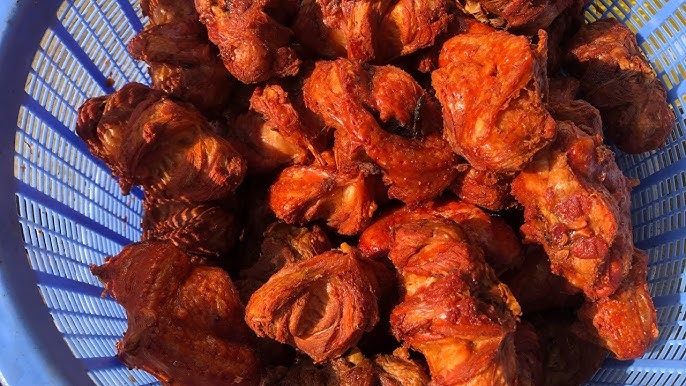
The Food and Drugs Authority has reiterated warnings against the consumption of turkey tail, locally known as “chofi,” stressing that the product has been prohibited in Ghana since 1999 due to serious health concerns linked to its high fat content and associated risks to public health.
The clarification comes amid continued circulation and informal sale of the product in parts of the country, despite regulatory restrictions. Authorities maintain that the ban remains in force and that enforcement measures are being strengthened to protect consumers.
According to the FDA, turkey tail is considered unsafe for human consumption because it contains extremely high levels of saturated fat, which has been associated with increased risks of cardiovascular diseases, obesity, and other non communicable health conditions. Health officials argue that regular consumption of such high fat animal parts contributes significantly to long term health complications, particularly in populations already facing rising rates of hypertension and heart disease.


The warning forms part of broader public health efforts to reduce exposure to unhealthy food products and improve dietary standards across Ghana. Over the years, the FDA has intensified surveillance on imported and locally distributed food items, particularly those sold in informal markets where regulatory compliance is often weaker.
Ghana’s food safety framework empowers the FDA to regulate, approve, and ban products deemed unsafe for consumption. The authority has repeatedly stressed that bans are not temporary advisories but legal restrictions backed by enforcement powers. In the case of turkey tail, the 1999 prohibition remains active and applies nationwide.
Despite this, the product continues to appear in some local markets, often due to low awareness among consumers or weak enforcement at certain distribution points. This has prompted renewed calls from health regulators for public education and stricter monitoring by local authorities.
Health experts have long cautioned that dietary habits play a central role in the rising burden of non communicable diseases in Ghana. Conditions such as hypertension, stroke, diabetes, and heart disease are increasingly linked to high fat diets, processed foods, and excessive consumption of unhealthy animal products.

The FDA’s renewed warning also highlights the importance of food safety regulation in protecting public health. As urbanisation and changing lifestyles reshape dietary patterns, regulators are under growing pressure to ensure that consumers are not exposed to harmful or unregulated food products.
Public health officials are urging citizens to be cautious about where they purchase meat products and to rely on approved sources that meet safety standards. They also stress the need for continued collaboration between market associations, local authorities, and regulatory agencies to eliminate banned products from circulation.
While enforcement remains a challenge, the FDA has indicated that it will continue to intensify inspections and public awareness campaigns. The goal, officials say, is not only to enforce existing bans but also to educate the public on the health risks associated with certain food products.

The issue also reflects a broader tension between cultural food practices and modern health regulations. Some consumers continue to view turkey tail as a delicacy, often unaware of its regulatory status or potential health implications. This gap between regulation and public behaviour remains a key challenge for health authorities.
As Ghana continues to address rising cases of lifestyle related diseases, food safety is expected to remain a central policy focus. The FDA maintains that protecting consumers requires both enforcement and sustained public education.
Authorities are therefore urging the public to comply with the ban and avoid consumption of turkey tail in any form, reinforcing that the product remains illegal and unsafe under Ghanaian law.
FDA Warns Herbal Medicine Producers: End Exaggerated Claims or Face Prosecution