

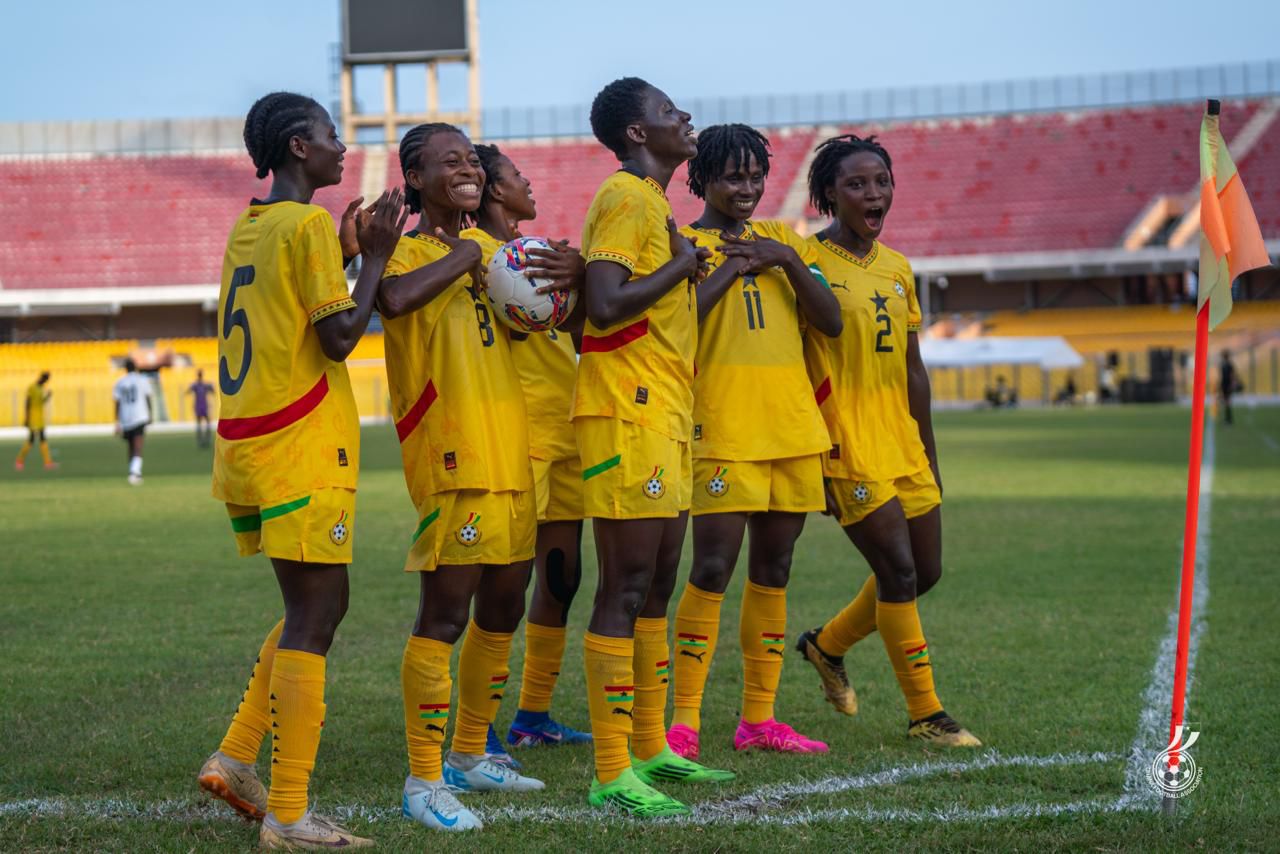
Ghana’s Black Princesses have once again underlined their dominance in African women’s youth football, sealing qualification for the FIFA U-20 Women’s World Cup after a hard-fought 3:2 aggregate victory over Uganda U-20 Women’s Team.
The qualification marks Ghana’s eighth appearance at the global tournament, extending their status as one of Africa’s most consistent performers at the U-20 level. It also reinforces the country’s long-standing investment in women’s football development, which continues to produce competitive teams on the continental stage.
The two-legged tie against Uganda proved anything but straightforward. After navigating a tense first leg, the decisive return fixture demanded composure, tactical discipline, and mental resilience from the Ghanaian side. Uganda pushed aggressively, seeking to overturn the deficit, but Ghana’s experience at this level ultimately proved decisive.

Across both matches, the Black Princesses demonstrated a blend of attacking intent and defensive organisation, managing key moments effectively to preserve their aggregate advantage. While Uganda showed flashes of quality and determination, Ghana’s ability to control critical phases of the game made the difference.
This latest qualification adds to Ghana’s growing legacy in the competition. Since their debut appearance, the Black Princesses have consistently represented Africa on the global stage, with their most notable achievement being a bronze medal finish in 2012. That campaign remains one of the continent’s strongest performances in the tournament’s history.
Beyond the immediate result, the victory carries broader significance for Ghanaian football. Women’s football in Ghana has experienced renewed attention in recent years, driven by improved grassroots programmes, increased visibility, and stronger institutional support from the Ghana Football Association.
The success of the Black Princesses reflects the effectiveness of these systems, particularly in talent identification and youth development. Many players in the current squad have progressed through structured pathways, including schools football, academies, and national youth setups.

However, the qualification also brings new expectations. Competing at the global level requires a different level of preparation, with African teams often facing challenges related to funding, exposure, and access to high-level competition. Bridging this gap will be critical if Ghana hopes to move beyond participation and compete for top honours.
Historically, African teams have struggled to translate continental success into consistent performances at the World Cup level, often due to disparities in infrastructure, resources, and competitive experience compared to teams from Europe and North America. Ghana’s previous campaigns have shown promise, but also highlighted the need for sustained investment in player development and international exposure.
The road ahead will therefore demand strategic planning. Preparation matches against stronger opposition, enhanced technical support, and adequate funding will be essential components of Ghana’s build-up to the tournament. Without these, even the most talented squads can struggle to compete at the highest level.
For Uganda, despite the disappointment of elimination, the performance signals progress. The team’s ability to push a seasoned side like Ghana to the limit suggests that the competitive gap in African women’s football is narrowing. This trend is likely to make future qualification campaigns even more competitive.

From a continental perspective, Ghana’s qualification contributes to Africa’s representation at the tournament, where teams from the continent will once again aim to challenge the traditional dominance of global powerhouses. The performance of African teams at youth level is increasingly seen as a key indicator of the future strength of women’s football on the continent.
As the Black Princesses turn their attention to the global stage, the focus will shift from qualification to performance. Expectations will be high, not just to participate, but to compete with intent and ambition.
For Ghana, this is not just another qualification. It is a continuation of a legacy, and an opportunity to redefine what success looks like for African teams at the highest level of youth women’s football.
Black Damsels secure second straight African Schools final after narrow win over Zambia