

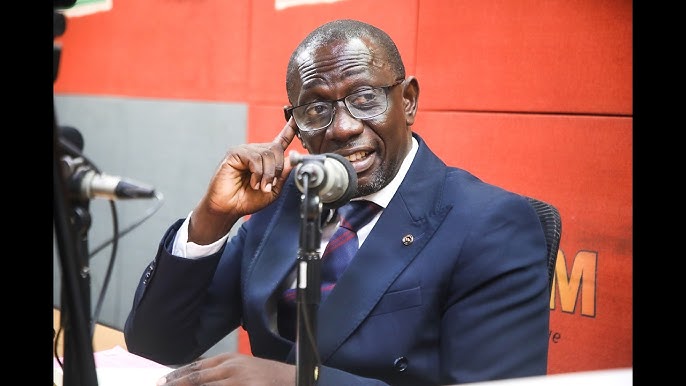
The growing controversy over hostel accommodation costs at the University of Ghana has intensified after Ghana’s Rent Commissioner accused some hostel operators of exploiting students through what he described as excessive and potentially unlawful charges.
The comments come amid mounting public frustration over steep increases in hostel fees around tertiary institutions, particularly at the University of Ghana, where some students say accommodation costs are becoming more expensive than academic fees themselves.
According to reports, the Rent Control Department has launched a nationwide compliance exercise targeting hostel operators accused of charging exorbitant rents, demanding illegal advance payments, and imposing arbitrary fee increments on students. The first phase of inspections is focusing on institutions in Accra, including the University of Ghana, UPSA, and Wisconsin International University College.

Rent Commissioner Frederick Opoku reportedly stated that authorities would investigate allegations thoroughly and take action where violations are confirmed. He stressed that students should not become victims of unchecked commercialisation within university communities.
The intervention follows a formal petition by the National Union of Ghana Students calling for urgent enforcement of the Rent Act, 1963 (Act 220). The union argued that many hostel operators were taking advantage of severe accommodation shortages around campuses to impose unfair conditions on students.
The debate has become especially heated at UG’s Pentagon Hall, where newly released accommodation rates triggered outrage among students and the wider public. Reports indicate that fees for some shared rooms rose significantly, while premium single occupancy rooms climbed above GH¢40,000 annually.
Students have increasingly taken to social media and online forums to express concern about affordability. Many argue that the current pricing structure risks turning access to quality accommodation into a privilege reserved for wealthier families.
One recurring complaint from students is that rising hostel costs are placing intense financial pressure on both parents and guardians at a time when the broader economy remains difficult. Some students say they are now being forced to consider living far from campus or sharing overcrowded off campus accommodation to cut costs.
The controversy also comes against the backdrop of earlier disputes over fee increases at the University of Ghana. Earlier this year, the Ghana Tertiary Education Commission directed the university to reverse certain academic fee increases introduced without full statutory approval.

Beyond the legal and regulatory questions, the issue has reignited a broader national debate about student welfare and access to higher education in Ghana. Critics argue that while universities and hostel operators cite inflation, rising utility costs, and maintenance expenses as reasons for fee adjustments, students are increasingly being squeezed financially without adequate support systems.
President John Dramani Mahama recently acknowledged wider concerns over rising rent costs nationwide, urging tenants to report landlords demanding illegal advances and calling for stronger enforcement of housing laws.
Analysts say the UG hostel issue reflects deeper structural challenges within Ghana’s housing and education sectors. Demand for student accommodation continues to outpace supply, particularly in urban university communities, creating conditions where operators can charge premium prices with limited resistance.
For many students, however, the concern goes beyond economics. They argue that affordable accommodation is directly tied to academic performance, mental wellbeing, and equal access to tertiary education. As pressure mounts on authorities to intervene, attention is now shifting to whether the ongoing investigations will lead to actual reductions in hostel fees or stricter regulations for operators.
The Rent Control Department has indicated that sanctions could be imposed where breaches are established, while discussions with the Ministry of Education are expected as part of broader efforts to address the situation.
EU to maintain preferential trade with a middle-income Uganda