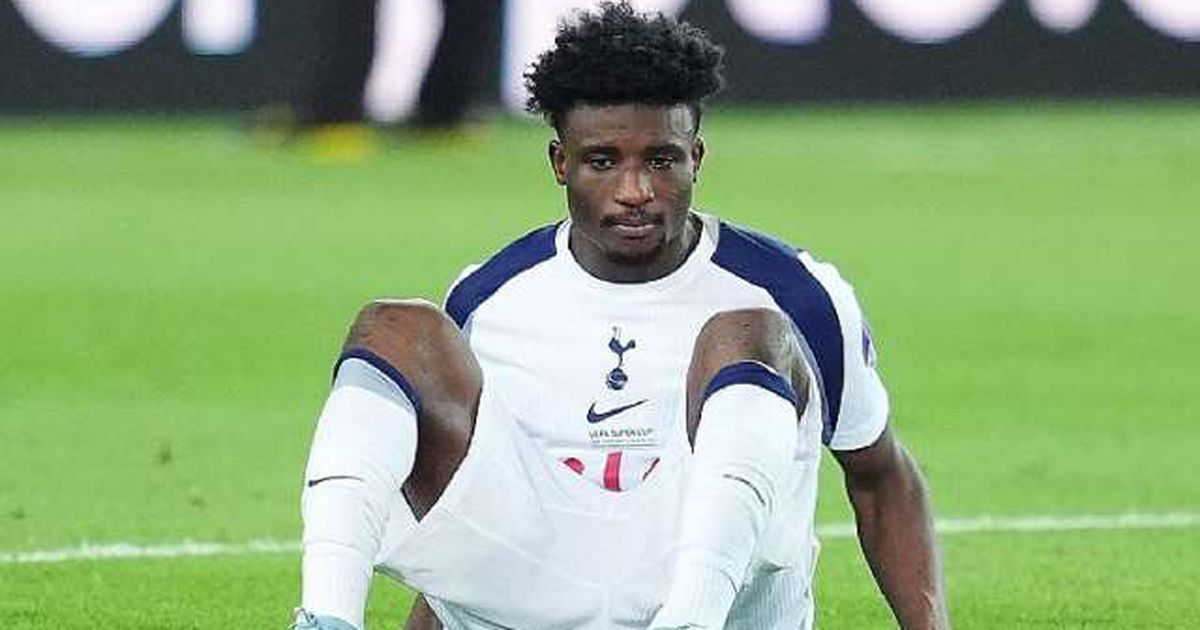
Mohammed Kudus reportedly rejects surgery to protect World Cup 2026 dream

0
84

Mohammed Kudus is reportedly prioritising his chances of playing at the 2026 FIFA World Cup over undergoing surgery, a decision that highlights the growing tension elite players face between long-term fitness and short-term international ambitions.

While full official medical details have not been widely confirmed, emerging reports suggest the Ghanaian midfielder has opted against surgical intervention for an injury, choosing instead to manage recovery conservatively in a bid to remain available for selection.

The context matters. With the FIFA World Cup 2026 approaching, players across the world are making difficult calls about injuries. Recent cases show how risky these decisions can be. Brazilian defender Éder Militão, for example, underwent surgery for a recurring hamstring injury and has now been ruled out of the tournament entirely . That kind of outcome is exactly what players like Kudus are trying to avoid.

kudus

But skipping surgery is not a guaranteed win. In many cases, surgery offers a more stable long-term fix, while conservative treatment can carry the risk of recurring injuries or reduced performance. For a player like Kudus, whose game relies heavily on explosiveness, agility, and sharp movement, even a slight drop in physical condition could affect performance at the highest level.

The decision also reflects the broader pressure elite footballers face. The World Cup is the pinnacle of international football, and for many players, especially from countries like Ghana, it represents both national pride and career-defining exposure. Missing it due to surgery can feel like a once-in-a-lifetime opportunity lost.

At the same time, medical teams typically weigh long-term career health over short-term gains. Playing through injury or delaying proper treatment can sometimes lead to more serious complications down the line, potentially affecting club commitments and future seasons.

Mohammed Kudus reportedly rejects surgery to protect World Cup 2026 dream

For Ghana, Kudus remains a central figure. His creativity, goal threat, and versatility make him one of the most important players in the Black Stars setup. Any uncertainty around his fitness will be closely monitored as the tournament approaches.

The situation puts both player and country in a delicate position. If Kudus manages recovery successfully, it could pay off with a fully fit presence at the World Cup. If not, the risk is losing both peak performance and potentially extending the injury problem.

Right now, it’s a calculated gamble — one that reflects how high the stakes are when the World Cup is on the line.

Kudus faces surgery, after injury relapse puts Ghana World Cup hopes in serious doubt

Author

  • Daniel Ablordey

    Daniel Ablordey is a Business Analytics student at the University of Ghana Business School and an emerging strategist at the intersection of data, markets, and narrative. With a keen analytical mind and a passion for African business and economic trends, he is building a career focused on translating complex data-driven insights into accessible, decision-relevant stories that matter.

    As a writer and editor with Insight Ghana, African Business Insight, and The African Journal, Daniel delivers sharp, high-impact analysis on current affairs, business developments, and emerging trends across the continent. His work is defined by precision, clarity, and a deep commitment to responsible journalism — ensuring that every story he tells is not only accurate but meaningful to the audiences it serves.

    Beyond his editorial work, Daniel serves as an Ecobank Youth Ambassador, where he actively promotes financial inclusion, digital banking, and financial literacy among young Ghanaians. His leadership experience spans academic, professional, and faith-based institutions, where he has consistently driven initiatives centered on growth, structure, and long-term impact.

    Grounded in the principles of Pan-Africanism and service, Daniel brings a rare combination of analytical rigour and storytelling depth to his work. Whether unpacking market behavior, profiling emerging business leaders, or covering cultural shifts shaping the continent, he approaches every assignment with strategic intent and editorial integrity.

    His broader ambition is to contribute to Africa's transformation by shaping how data, business, and storytelling intersect — not just locally, but on a global stage.

Previous articleLemFi commits £100m to global expansion to power cross-border finance for Africans and diaspora
Next articleGhana rejects US health deal over data-sharing concerns
Daniel Amenyo Ablordey
Daniel Ablordey is a Business Analytics student at the University of Ghana Business School and an emerging strategist at the intersection of data, markets, and narrative. With a keen analytical mind and a passion for African business and economic trends, he is building a career focused on translating complex data-driven insights into accessible, decision-relevant stories that matter.

As a writer and editor with Insight Ghana, African Business Insight, and The African Journal, Daniel delivers sharp, high-impact analysis on current affairs, business developments, and emerging trends across the continent. His work is defined by precision, clarity, and a deep commitment to responsible journalism — ensuring that every story he tells is not only accurate but meaningful to the audiences it serves.

Beyond his editorial work, Daniel serves as an Ecobank Youth Ambassador, where he actively promotes financial inclusion, digital banking, and financial literacy among young Ghanaians. His leadership experience spans academic, professional, and faith-based institutions, where he has consistently driven initiatives centered on growth, structure, and long-term impact.

Grounded in the principles of Pan-Africanism and service, Daniel brings a rare combination of analytical rigour and storytelling depth to his work. Whether unpacking market behavior, profiling emerging business leaders, or covering cultural shifts shaping the continent, he approaches every assignment with strategic intent and editorial integrity.

His broader ambition is to contribute to Africa's transformation by shaping how data, business, and storytelling intersect — not just locally, but on a global stage.