

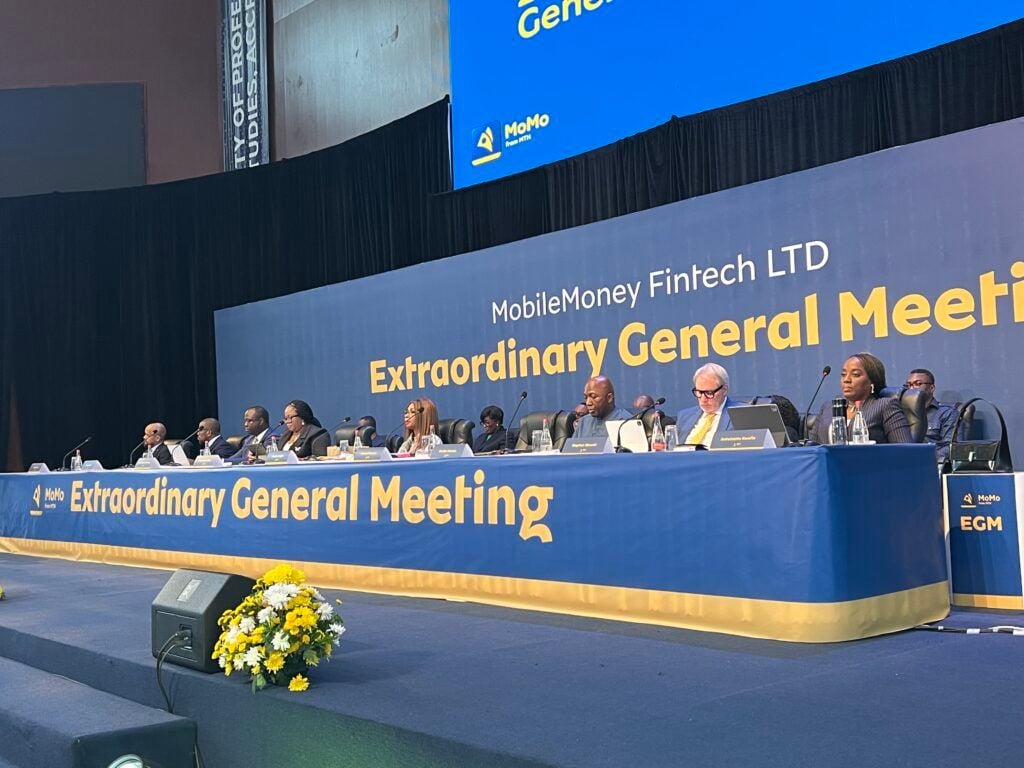
Ghana’s fast growing mobile money and fintech ecosystem is entering a stricter regulatory phase, with agent accounts increasingly facing suspension or termination as authorities and industry players intensify efforts to enforce compliance and restore confidence in digital financial systems.
The latest developments signal a clear shift from expansion to enforcement, as regulators and telecom operators move to clean up the sector by targeting irregular accounts, weak documentation, and non compliant agents. This comes at a time when mobile money remains a critical pillar of Ghana’s economy, supporting millions of daily transactions and driving financial inclusion across both urban and rural communities.
Reports indicate that several mobile money agents are now at risk of losing access to their accounts due to failure to m6eet updated compliance requirements. These include proper identity verification, tax registration, and adherence to operational guidelines set by regulators. The tightening measures reflect broader concerns about fraud risks, tax leakage, and the need for stronger oversight in a system that has grown rapidly over the past decade.

This is not an isolated move. Ghana has already seen similar enforcement actions in recent years, particularly around identity verification. Authorities previously directed that all mobile money agent accounts must be linked to a national ID or Tax Identification Number, warning that non compliant accounts would be blocked.
The goal of such measures is to improve transparency, strengthen tax compliance, and reduce financial crimes such as money laundering and fraud. Mobile money agents operate at the frontline of Ghana’s digital economy, and any gaps in their documentation or operations create vulnerabilities that can be exploited.
What makes the current crackdown more significant is its scale and intensity. Unlike earlier directives that focused mainly on linking accounts, the new wave of enforcement appears broader, targeting the overall integrity of agent operations. This includes monitoring transaction patterns, verifying ownership structures, and ensuring agents operate within approved limits.
Industry insiders say the move is also tied to increasing pressure on fintech companies to align fully with regulatory frameworks set by the central bank and other financial authorities. In recent months, regulators have shown a willingness to take decisive action against non compliance, including suspending major fintech operations over regulatory breaches.
This sends a strong message to both established players and new entrants: growth without governance will no longer be tolerated.
For mobile money agents, the immediate impact could be severe. Suspension or termination of accounts effectively cuts off their primary source of income, as they rely on commissions from transactions such as transfers, bill payments, and cash withdrawals. In many communities, agents also serve as informal banking points, meaning disruptions could affect entire local economies.
Customers may also feel the effects. Reduced agent availability can lead to longer queues, limited access to cash services, and delays in transactions, particularly in rural areas where banking infrastructure is already limited. Mobile money has become a lifeline for many Ghanaians, and any disruption to its operations carries wider economic implications.
At the same time, there is a strong argument that the crackdown is necessary. As digital financial services expand, so do the risks. Fraud, identity theft, and unregulated transactions have become growing concerns, not just in Ghana but across Africa. Without strict compliance measures, the system could become vulnerable, undermining trust and threatening long term sustainability.

There is also a fiscal dimension. By ensuring that all agents are properly registered and linked to tax systems, authorities aim to improve revenue collection in a sector that handles significant financial flows. This aligns with broader efforts to formalise Ghana’s economy and reduce reliance on informal transactions.
The challenge, however, lies in balancing enforcement with inclusion. Many mobile money agents operate on thin margins and may lack the resources or technical knowledge to fully comply with complex regulatory requirements. If enforcement is too rigid, it risks pushing smaller agents out of the system, reducing access for the very people mobile money was designed to serve.
Experts suggest that alongside enforcement, there must be continued education and support for agents. This includes clear communication of requirements, accessible registration processes, and technical assistance to help agents meet compliance standards without undue burden.
Looking ahead, the tightening compliance environment is likely to reshape Ghana’s fintech landscape. Stronger regulation could lead to consolidation, with fewer but more compliant agents and service providers dominating the market. It could also encourage innovation in areas such as digital identity, transaction monitoring, and fraud prevention.
For now, the message is clear: the era of rapid, loosely regulated growth in mobile money is giving way to a more controlled and structured system. While this may create short term disruptions, it is a critical step toward building a more secure, transparent, and resilient digital financial ecosystem.
