

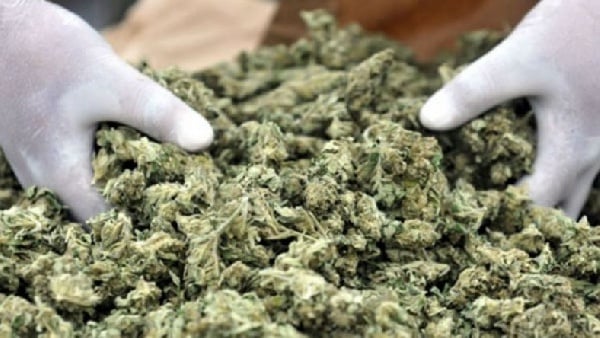
The Narcotics Control Commission is set to begin issuing licences to qualified applicants for cannabis cultivation, marking a major step in the country’s gradual shift toward a regulated medicinal and industrial cannabis industry.
The move follows the approval of a comprehensive regulatory and cost framework by Parliament, enabling the full implementation of cannabis cultivation under strict legal conditions. Authorities say the licensing regime will allow the controlled production of cannabis strictly for medicinal and industrial purposes, with tetrahydrocannabinol content capped at 0.3 percent.
According to officials within NACOC, including senior leadership such as the Deputy Director General, licences will not be issued arbitrarily. Instead, only applicants who meet clearly defined and stringent criteria will be considered eligible. These include demonstrating robust security systems, reliable product tracking mechanisms, strong quality assurance processes, and full compliance with Ghana’s legal and regulatory standards.
This is not a free for all. It is a tightly controlled entry point into a new sector.

The Commission has been deliberate in warning the public against misinformation and shortcuts. Prospective applicants have been cautioned to deal directly with NACOC and avoid intermediaries or individuals claiming to fast track licences. Officials stress that “applicants must follow only the officially approved licensing processes and guidelines,” reinforcing that transparency will be central to the system.
There is also a critical legal line that has not changed.
Recreational cannabis remains illegal in Ghana. The new licensing regime does not legalise general use but instead focuses strictly on industrial and medical applications. Any activity outside this scope continues to attract legal consequences under existing narcotics laws.
What makes this development significant is not just the policy shift, but the economic signal behind it.
Ghana is positioning itself to tap into a fast growing global cannabis market, particularly in pharmaceuticals, cosmetics, textiles, and industrial hemp production. By introducing a structured licensing system, the government is attempting to balance economic opportunity with public health and security concerns.
Recent updates indicate that the licensing process has already been opened to the public, with multiple categories designed to accommodate different aspects of the value chain, from cultivation to processing and distribution.
Even more interesting is how accessible the framework appears to be.
Officials have indicated that Ghanaian applicants aged 18 and above with access to land can apply, provided they meet all regulatory requirements. This suggests that the policy is not exclusively targeted at large corporations but could also create opportunities for local entrepreneurs and agribusiness players.
But let’s be clear, opportunity does not mean ease.

The barriers to entry are intentionally high. Security infrastructure, compliance systems, and operational standards required for approval mean that only serious, well prepared applicants will succeed. This is by design, as the government aims to prevent abuse, diversion, and illegal exploitation of the system.
From a broader perspective, this move reflects a shift in how African economies are beginning to rethink previously banned sectors. Instead of outright prohibition, there is a growing trend toward regulation, monetisation, and controlled industrial use.
For Ghana, the success of this policy will depend on execution.
If managed effectively, it could unlock new revenue streams, create jobs, and position the country as a competitive player in Africa’s emerging cannabis economy. If poorly regulated, however, it risks fuelling illegal activities and undermining public trust.
So the real question is not whether licences will be issued.
It is whether Ghana can build a system strong enough to control the industry while still allowing it to grow.