

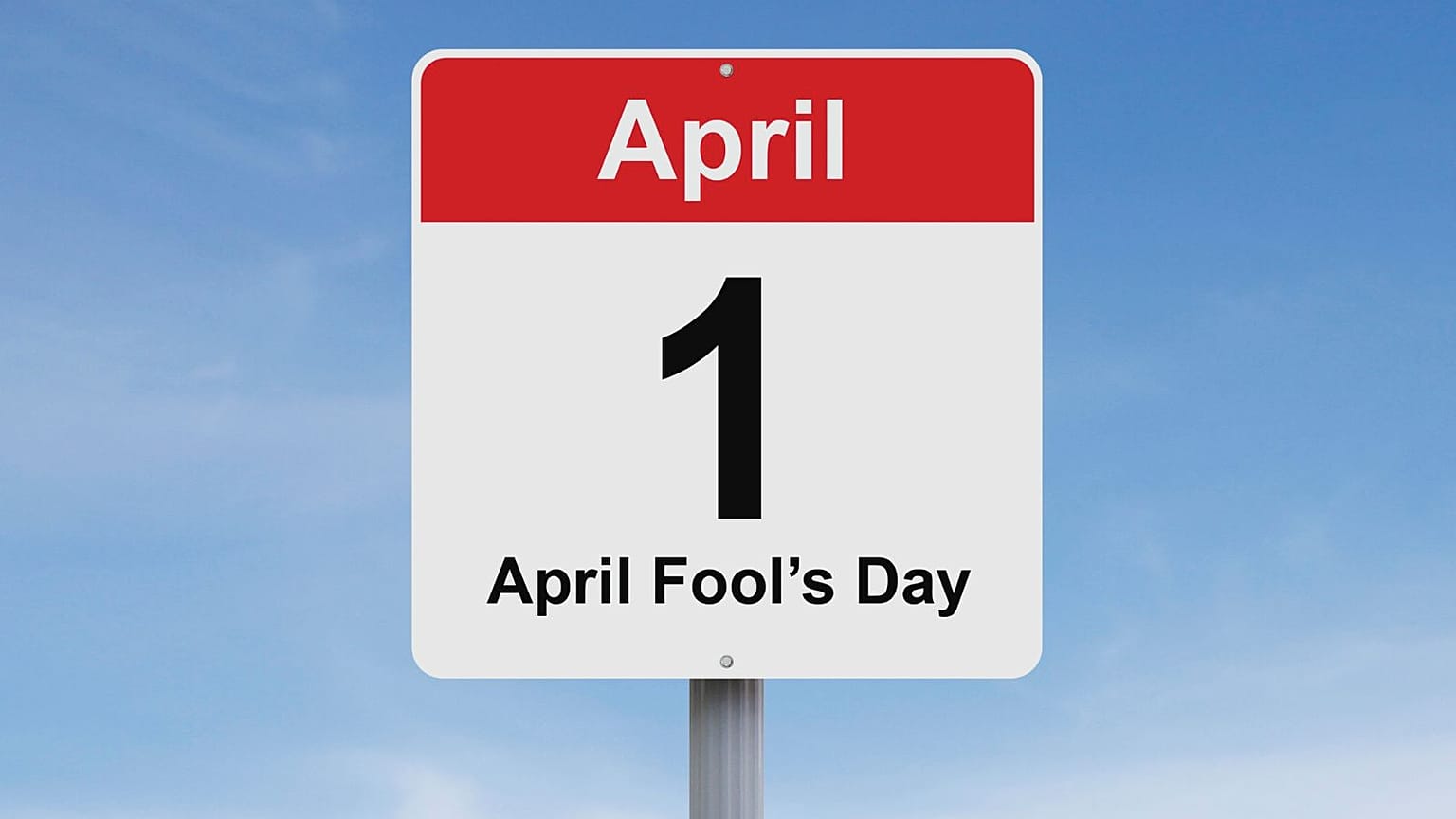
The question of why 1st April is known globally as April Fools Day has long fascinated historians, cultural commentators and everyday people who enjoy the annual tradition of jokes and pranks. The story behind the date is not tied to a single confirmed origin, but instead emerges from a mix of historical calendar changes, cultural practices in Europe, and the evolution of social customs around humour and deception.
One of the most widely accepted explanations traces the tradition back to the 16th century in France. In 1564, King Charles IX introduced a reform that shifted the start of the new year from late March to 1st January as part of a broader adjustment to the calendar system. Before this reform, many regions in Europe celebrated the new year around the end of March and into early April, often marking it with festivals that included feasting and exchanges of gifts.
After the change, not everyone immediately adopted the new calendar system. Some communities continued to celebrate the new year during the old period, either out of habit or resistance to the change. These people eventually became the subject of ridicule by others who had accepted the new date. They were mocked with jokes, fake gifts and invitations to imaginary celebrations. Over time, this social teasing became associated with the early days of April and evolved into what is now known as April Fools Day.

Another important influence on the tradition comes from the shift between the Julian calendar and the Gregorian calendar. The Gregorian reform, introduced in 1582 by Pope Gregory XIII, corrected inaccuracies in the older Julian system, which had caused dates to drift over time. As countries gradually adopted the new system at different times, confusion about dates and celebrations became common. This historical inconsistency may have contributed to the development of playful behaviour around mistaken or outdated calendars, further reinforcing the idea of fooling those who were unaware of the change.
In Scotland, the tradition took on additional layers of meaning. Historical records suggest that early April was associated with hunting the gowk, a term used for a cuckoo bird that symbolised foolishness. The practice involved sending people on pointless errands or misleading tasks, a custom that later influenced the second day of April, sometimes called Taily Day. This extended the culture of pranks beyond a single day and added regional variation to the broader European tradition.
As the custom spread across Europe, it gradually shifted from a historical reference about calendars into a general celebration of humour and trickery. By the modern era, April Fools Day had become a global cultural phenomenon observed in many countries, particularly in media, workplaces and social environments. Newspapers, television stations and now digital platforms often participate by publishing or sharing false stories designed to entertain rather than deceive maliciously.
In contemporary society, the day has taken on a lighter and more commercial tone. Companies sometimes use it as an opportunity for marketing campaigns or humorous announcements, while individuals engage in harmless pranks among friends and family. Despite its playful nature, there is still an underlying emphasis on ensuring that jokes remain non harmful and respectful, especially in an age where misinformation can spread quickly through social media.

Cultural attitudes toward April Fools Day vary widely. In some places it is embraced enthusiastically as a moment of collective humour, while in others it is treated with caution due to concerns about trust and misinformation. Nevertheless, the core idea remains consistent across cultures, which is the temporary suspension of seriousness in favour of humour and surprise.
Historians generally agree that no single origin story fully explains the tradition. Instead, it is likely the result of multiple influences coming together over centuries, including calendar reforms, seasonal festivals, and social customs involving satire and playful deception. This layered history explains why the date continues to intrigue people like Evert, who question how a simple calendar day became a worldwide symbol of jokes.
Today, 1st April stands as a reminder of how cultural traditions evolve over time. What began as confusion over calendar changes has transformed into a global day of humour that transcends borders and languages. It reflects the human tendency to find joy in surprise, even when that surprise comes from being briefly misled.