

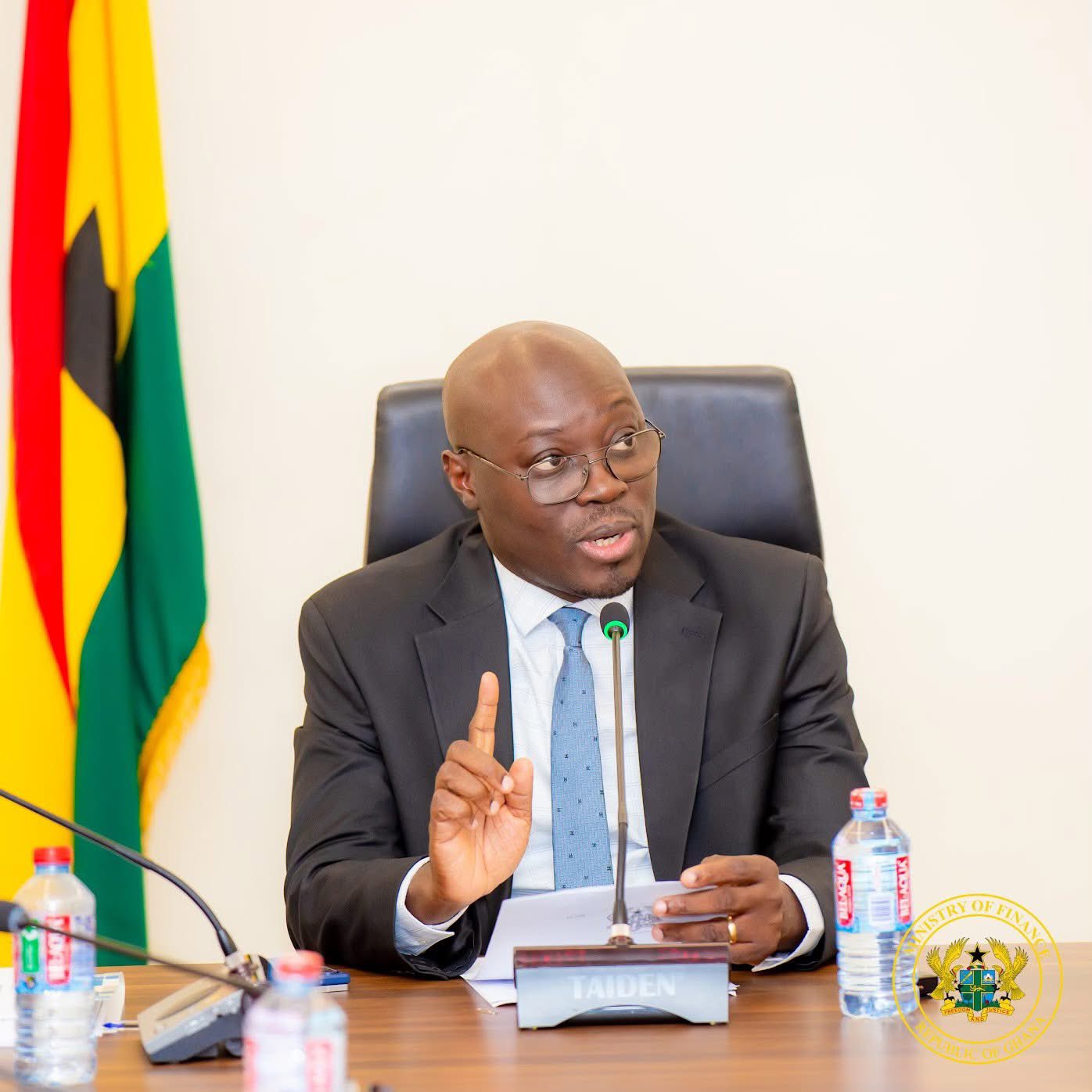
Ghana’s Finance Minister, Cassiel Ato Forson, has convened the country’s first investor town hall meeting in three years, marking a deliberate effort to rebuild market confidence and signal that the economy is firmly on a recovery path following its recent debt crisis.
The high level engagement brought together international investors, bankers and key players in the domestic bond market, reflecting a renewed push by government to restore transparency and strengthen communication with financial stakeholders. The meeting, the first of its kind since 2021, comes at a critical moment as Ghana gradually re opens its domestic debt market and seeks to reposition itself as a credible investment destination.
At the centre of the discussions was a strong message from the Finance Minister that Ghana’s economic recovery is no longer theoretical but already taking shape through measurable improvements. He pointed to declining inflation, improved fiscal discipline and ongoing debt restructuring efforts as clear indicators that the country has moved beyond its most severe economic turbulence.

Data presented at the forum showed inflation has dropped significantly to around 3.3 percent, marking a multi year low after peaking during the height of the crisis. This sharp decline has been supported by tighter monetary policy and fiscal consolidation measures, which have helped stabilise the cedi and restore a level of macroeconomic predictability.
The Minister also highlighted progress under Ghana’s International Monetary Fund programme, noting that successive programme reviews have unlocked disbursements exceeding 700 million dollars. These inflows have played a key role in stabilising the country’s external position and supporting ongoing reforms aimed at restoring debt sustainability.
One of the most critical assurances given to investors was Ghana’s commitment to avoiding another sovereign default. According to the Finance Minister, the government is implementing a proactive debt management strategy that includes building buffers through the Sinking Fund, restructuring repayment schedules and smoothing out debt maturities to reduce refinancing risks in the coming years.
This is particularly important as Ghana faces significant debt obligations in 2027 and 2028. By addressing these pressures early, authorities aim to prevent a repeat of the liquidity crunch that led to the country’s debt restructuring programme. The government is also increasingly relying on domestic revenue mobilisation, with non oil tax revenue now accounting for more than 80 percent of total fiscal inflows, reducing exposure to volatile commodity prices.

Beyond macroeconomic indicators, the town hall served as a platform to reinforce Ghana’s broader reform agenda. Officials emphasised ongoing efforts to improve transparency, including regular publication of bond issuance calendars and structured investor engagement frameworks. These measures are intended to rebuild trust after the disruptions caused by the Domestic Debt Exchange Programme.
The engagement also aligns with Ghana’s recent move to return to long term domestic borrowing, including plans to issue a 7 year cedi bond, a step widely seen as a test of investor confidence in the country’s recovery trajectory. By reopening access to longer dated instruments, the government is seeking to reduce reliance on short term borrowing and rebuild a functional yield curve.
Investor reactions following the meeting were cautiously optimistic, with many participants expressing renewed confidence in Ghana’s fiscal direction and reform commitment. Analysts note that while macroeconomic indicators are improving, sustained discipline will be critical to maintaining momentum and avoiding setbacks.
Globally, Ghana’s recovery narrative is also gaining traction. Earlier projections suggested the economy could achieve steady growth in 2026 as fiscal reforms take hold and investor confidence returns, reinforcing the government’s message that the country is moving from crisis to stability.
Ultimately, the investor town hall represents more than just a policy update. It signals a strategic shift toward consistent engagement with markets, a recognition that credibility must be rebuilt through transparency, performance and sustained dialogue. For Ghana, the road to full recovery is still unfolding, but the tone from policymakers is clear: the reset is underway, and the country is positioning itself to regain its standing in global capital markets.