

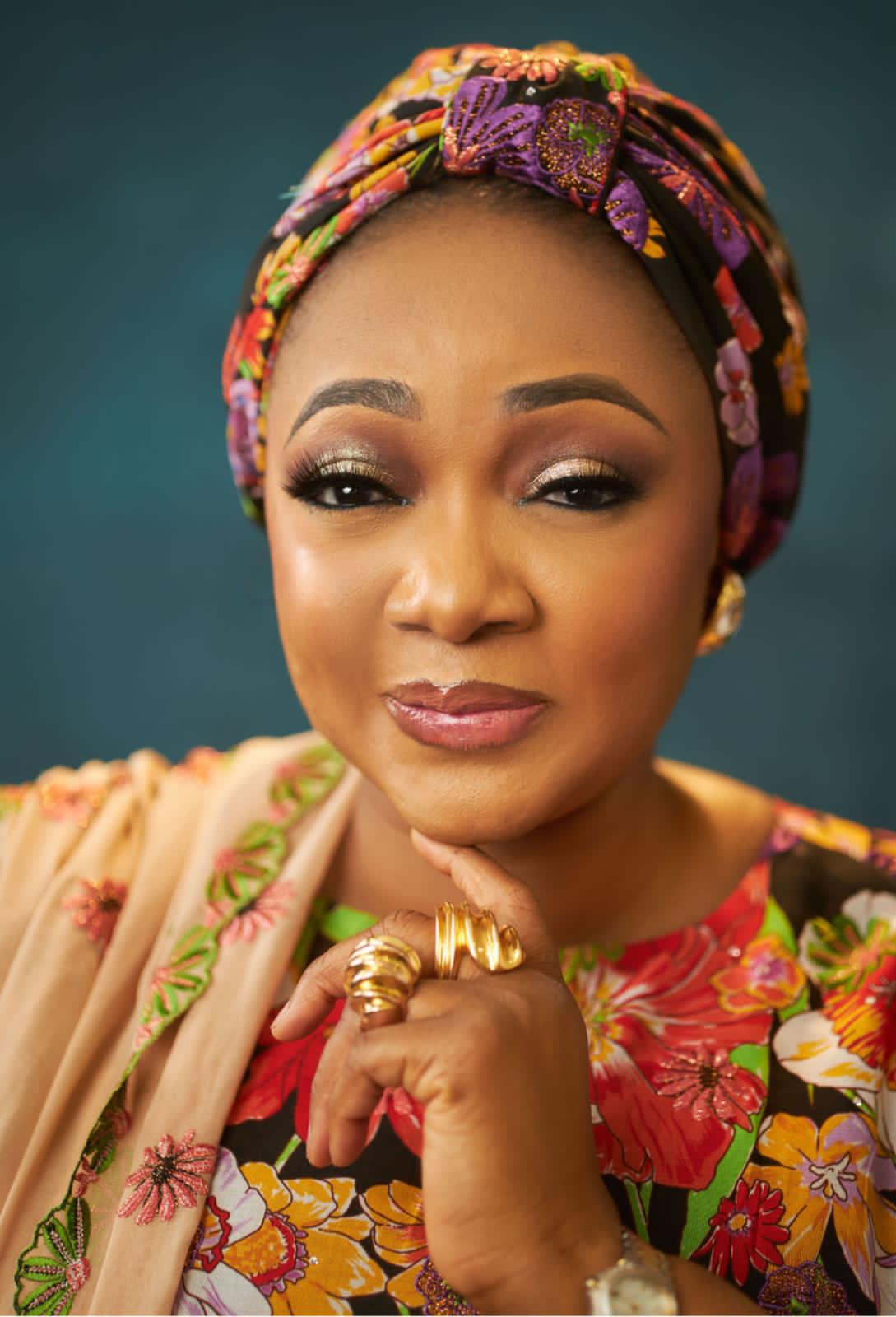
The Minister of Women Affairs and Social Development, Imaan Sulaiman-Ibrahim, has declared that women in Nigeria economy are indispensable to the country’s bold target of growing the economy to $1 trillion. During a high-level visit to the Nigerian Exchange Group (NGX) on March 24, 2026, the Minister joined capital market leaders in a ceremonial Closing Gong ceremony to underscore the urgent need for deeper gender inclusion in finance and investment.
Women in Nigeria economy must move from the margins of the informal sector into the formal financial system if Nigeria is to unlock its full growth potential, the stakeholders agreed.
Why Women in Nigeria Economy Matter for $1 Trillion Goal
Nigeria’s ambition to become a $1 trillion economy requires harnessing every available resource, and women in Nigeria economy represent one of the largest untapped drivers. Women already contribute substantially to productivity, especially in agriculture, trading, and small businesses within the informal sector. However, systemic barriers, limited access to credit, capital markets, financial literacy, and investment platforms, continue to restrict their ability to scale enterprises and create wealth at the national level.
The Minister described gender inclusion as an “economic imperative rather than a social aspiration.” She pointed out that the current low participation of women in formal finance creates a disconnect that prevents the country from fully mobilising its demographic advantage. Capital market leaders echoed this view: NGX Group Chairman Umaru Kwairanga described women as central to economic transformation, while SEC Director-General Emomotimi Agama noted that participation levels fall far short of Nigeria’s demographic reality. NGX CEO Temi Popoola stressed that innovation is needed to lower entry barriers for women and other underserved groups.
By deliberately integrating women in Nigeria economy into the capital market ecosystem, Nigeria can mobilise long-term funding for women-led businesses, deepen wealth creation, and build greater economic resilience. This inclusion is not just about equity, it is a growth strategy that can accelerate job creation, expand the tax base, and strengthen domestic consumption.
Women in Nigeria Economy Impact on Businesses
Greater involvement of women in Nigeria economy offers clear advantages for businesses. Women-led enterprises, once empowered with better access to capital and investment platforms, can expand operations, adopt technology, and enter new markets. This creates opportunities for banks, fintech companies, and investment firms to develop tailored products such as women-focused credit facilities, equity crowdfunding, and gender-smart investment funds.
The capital market stands to benefit directly: increased female participation would boost trading volumes, diversify the investor base, and enhance market liquidity. Businesses in sectors where women are already active, agriculture, retail, services, and light manufacturing, would gain from improved access to growth capital, enabling them to hire more workers, upgrade equipment, and increase productivity.
Corporate Nigeria also gains from diversity. Companies with stronger female representation in leadership and ownership tend to show better innovation, risk management, and long-term performance. By supporting women in Nigeria economy, the private sector can tap into a larger talent pool and consumer base, driving sustainable expansion across the economy.
How Women in Nigeria Economy Affect Households
For Nigerian households, advancing women in Nigeria economy delivers direct and powerful benefits. When women gain better access to finance and investment opportunities, household incomes rise through business profits, dividends, and wages. This extra income supports improved nutrition, healthcare, education, and housing, critical areas where women often make spending decisions.
Financially empowered women tend to invest more in their children’s schooling and health, creating a virtuous cycle of human capital development that benefits entire families and communities. Reduced barriers in the capital market also allow women to build personal wealth through shares, bonds, and mutual funds, providing a buffer against economic shocks and improving retirement security.
At the macroeconomic level, stronger participation by women in Nigeria economy helps stabilise food prices and supply chains by scaling women-dominated agricultural and trading activities. It also reduces poverty rates faster, as evidence consistently shows that income in women’s hands has a higher multiplier effect on household welfare than the same income in men’s hands.
Building Momentum for Women in Nigeria Economy
Recent high-profile advocacy, including visits by prominent women leaders such as Bianca Ojukwu and the First Lady of Imo State, has amplified calls for policy support, financial literacy programmes, and inclusive investment frameworks. The partnership between the Ministry of Women Affairs and NGX Group signals a growing consensus that coordinated action between government and the private sector is essential.
Achieving meaningful progress will require practical steps: targeted financial products for women, simplified investment processes, widespread financial education, and measurable targets for female participation in capital market activities. Removing legal and cultural obstacles while incentivising innovation in fintech and digital platforms will be crucial.
In summary, the message from the Minister and capital market leaders is unmistakable: Nigeria cannot reach its $1 trillion economy ambition without fully integrating women in Nigeria economy. Doing so will not only expand the economic pie but also ensure that growth is more inclusive, resilient, and sustainable, delivering tangible gains for businesses through expanded markets and opportunities, and for households through higher incomes, better services, and improved living standards.
Failure is not the end: Reframing failure for the visionary and the woman in purpose