

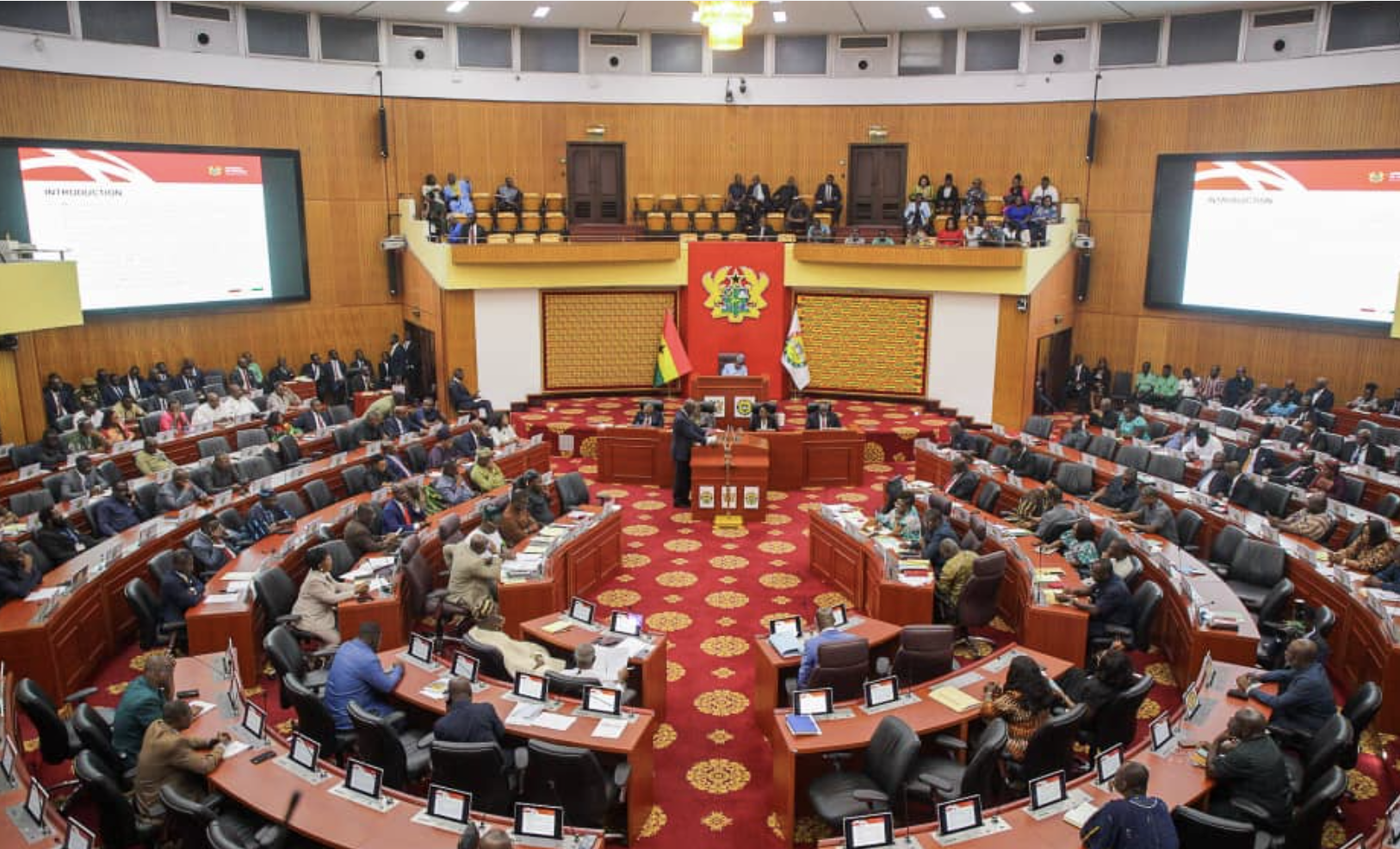
2025 Budget Ghana, presented by Finance Minister Dr Cassiel Ato Forson under the theme “Resetting the Economy for the Ghana We Want”, signals a decisive move toward fiscal discipline while accelerating infrastructure delivery through greater private sector participation. With total expenditure trimmed to GH¢268.8 billion (a 3.2% reduction from 2024) and a targeted primary surplus of 1.5% of GDP, the budget prioritises efficiency, debt sustainability and structured project finance to address lingering arrears and post-restructuring challenges.
The 2025 Budget Ghana places heavy emphasis on Public-Private Partnerships (PPPs), legal reforms and clear spending rules that will fundamentally alter how large infrastructure projects are funded and executed in the coming years.
Why the 2025 Budget Ghana Matters
The 2025 Budget Ghana matters because it shifts the country from reactive crisis management to a rules-based, predictable investment environment. After years of high deficits and debt distress, the budget introduces binding fiscal anchors: a primary surplus target and a long-term debt reduction path to 45% of GDP by 2034. These measures aim to restore credibility with investors and lenders while creating space for sustainable infrastructure growth.
By strengthening the PPP framework under the 2020 Act and operationalising the Viability Gap Facility (VGF), the budget directly tackles a major barrier in project finance, revenue shortfalls that make economically desirable projects commercially unattractive. The planned publication of the PPP Plan, submission of annual reports to Parliament and development of new regulations promise greater transparency and reduced political risk, which are critical for attracting long-term debt and equity capital into roads, energy, ports and digital infrastructure.
2025 Budget Ghana Impact on Project Finance
The 2025 Budget Ghana is expected to reshape project finance in three key ways. First, the Viability Gap Facility will provide targeted government support to bridge financial gaps, making bankable projects more appealing to private lenders and sponsors. This de-risking tool is particularly relevant for toll roads, renewable energy and urban transport schemes where user charges alone cannot cover full costs.
Second, amendments to the Public Financial Management Act replace the old 5% deficit ceiling with a stricter primary balance rule and a clear debt trajectory. This reduces the likelihood of arbitrary government spending or off-balance-sheet guarantees, giving lenders greater confidence that counterparties will honour payment obligations. However, it also means developers can no longer rely on implicit state bailouts, projects must now stand firmly on their own cash-flow merits or secure explicit, pre-approved support.
Third, proposed changes to the Public Procurement Act, including an Independent Value-for-Money Office and mandatory commencement certificates tied to budgeted funds, should curb corruption and scope creep. While this improves project bankability and lowers dispute risk, it may lengthen approval timelines, potentially delaying financial close for time-sensitive initiatives.
Overall, the 2025 Budget Ghana creates a more disciplined but demanding environment for project finance: higher governance standards and transparency should lower country risk premiums and borrowing costs over time, yet stricter rules demand better-prepared, truly viable projects from sponsors.
How the 2025 Budget Ghana Affects Businesses
For businesses, particularly those in construction, engineering, energy and logistics, the 2025 Budget Ghana offers both opportunities and new disciplines. PPP-focused road projects such as the Accra-Tema Motorway extension signal continued government commitment to infrastructure, opening doors for local and international contractors to partner with the state. Enhanced VGF support could unlock previously stalled projects, generating contracts, jobs and supply-chain activity.
However, the tighter fiscal and procurement regime means companies must invest more upfront in robust feasibility studies, clear risk allocation and bankable financial models. Firms that adapt quickly to the new transparency standards and deliver efficient execution will gain competitive advantage. Energy projects face mixed signals: a new GHS1 per litre levy on petroleum products will raise operational costs, but concessions for electric two- and three-wheelers under the Automotive Development Programme could stimulate green mobility investments.
Smaller local contractors and suppliers may initially struggle with longer approval processes and stricter value-for-money scrutiny, but successful participants will benefit from a more predictable payment environment and reduced risk of project cancellation due to fiscal overruns.
2025 Budget Ghana Effects on Households
Households will feel the 2025 Budget Ghana indirectly but meaningfully. Successful attraction of private capital into infrastructure should accelerate delivery of better roads, reliable power and improved digital services, lowering long-term transport and energy costs while creating employment in construction and allied sectors.
The emphasis on fiscal discipline aims to prevent future debt crises that historically lead to inflation, currency depreciation and austerity measures that hit ordinary citizens hardest. A more stable macroeconomic environment supports steadier prices for food, fuel and utilities.
On the downside, new levies and potential project delays could translate into short-term cost pressures, while the removal of implicit government guarantees means some socially desirable but marginally viable projects may take longer to materialise. The budget’s focus on digital inclusion and education through PPPs and foundation-style initiatives could eventually improve skills and opportunities, particularly for younger Ghanaians.
Path Forward for the 2025 Budget Ghana
The success of the 2025 Budget Ghana in transforming project finance will hinge on swift parliamentary approval of the proposed law amendments, efficient operationalisation of the Viability Gap Facility and consistent implementation of transparency measures. If executed well, Ghana can move from a cycle of fiscal stress and project delays to a credible, rules-based system that draws substantial private investment into the infrastructure needed for the “Ghana We Want”.
While the stricter framework raises the bar for project preparation and execution, it also lowers sovereign risk and builds long-term confidence among domestic and international financiers. For businesses, it rewards professionalism and efficiency; for households, it promises more reliable public services and greater economic stability over time.
The 2025 Budget Ghana therefore represents a critical pivot: trading short-term flexibility for long-term credibility and sustainable growth in project finance.