

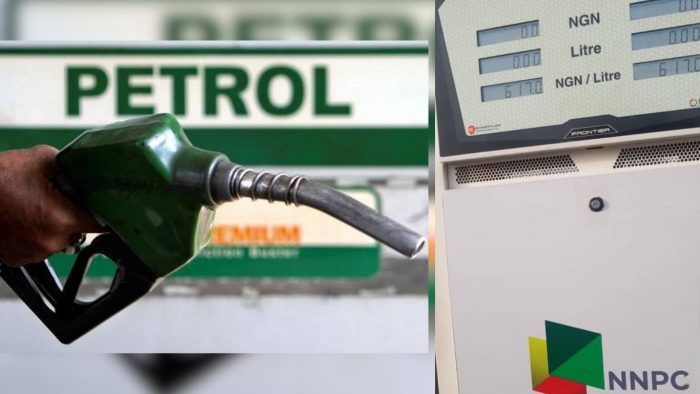
Nigeria fuel price surge has placed the country among the world’s most severely affected nations since the Iran war erupted, with gasoline prices climbing nearly 40%, second only to Vietnam, despite being Africa’s largest oil producer and home to the continent’s biggest refinery. Data from Investorsight and local reports show retail petrol jumping from around ₦774–₦1,000 per litre to ₦1,075–₦1,400 in many areas, reflecting both international crude volatility and persistent domestic weaknesses in refining, logistics, and currency stability.
Fuel Price Surge Driven by Geopolitical and Local Factors
The Iran war triggered supply-chain disruptions, particularly through the Strait of Hormuz, pushing global crude benchmarks higher and amplifying freight risks. Nigeria, fully deregulated since mid-2023, transmits these shocks almost instantly to pump prices. Dangote Refinery raised ex-depot rates from ₦774 to ₦874 per litre in early March (a 13% hike), while NNPC Limited saw retail levels climb 30–40% in major cities. Even with Dangote’s ramp-up, the facility has not yet eliminated import dependence or stabilized domestic supply, leaving the market exposed to external price swings.
Naira depreciation further compounds the pain, inflating the cost of imported refined products and crude feedstock for local blending. Unlike some developed markets with strategic reserves or subsidy cushions, Nigeria’s downstream sector lacks buffers, making fuel price surge transmission rapid and severe.

Why Fuel Price Surge Matters for Economic Stability
The fuel price surge exposes Nigeria’s long-standing energy paradox: massive crude exports coexist with chronic refined-product shortages and price vulnerability. Despite record domestic refining capacity, transitional challenges, logistics bottlenecks, inconsistent feedstock supply, and forex constraints, prevent full self-sufficiency. This leaves the economy acutely sensitive to Middle East tensions, currency movements, and global freight costs.
Persistent high fuel costs erode consumer purchasing power, raise production expenses across industries, and fuel inflationary pressures on food, transport, and services. Without diversification of energy sources or accelerated local refining utilization, Nigeria remains hostage to external shocks that undermine macroeconomic gains and investor confidence.
Fuel Price Surge Squeezes Businesses Across Sectors
Businesses bear immediate and cascading costs from the fuel price surge. Transport and logistics firms face 30–40% higher operating expenses, forcing fare increases or margin compression that reduce competitiveness. Manufacturers relying on diesel generators see energy bills soar, squeezing profits and delaying expansion plans. Small traders, market women, and delivery operators pass costs to consumers, accelerating price spirals for goods.
Agribusiness, construction, and manufacturing suffer most acutely: higher transport costs inflate input prices and reduce market access for rural producers. Larger firms with fleet operations or supply chains absorb shocks initially but eventually cut jobs, investment, or output. The surge also deters FDI in energy-intensive sectors, as rising operational costs offset Nigeria’s natural-resource advantages.
Fuel Price Surge Hits Households Daily
Households feel the fuel price surge through higher living costs and reduced mobility. Commuters pay significantly more for public transport or personal vehicles, cutting disposable income for food, education, and healthcare. In rural areas, transport costs drive up prices of farm produce and essential goods, disproportionately affecting low-income families.
Cooking with kerosene or petrol generators becomes more expensive, while small businesses, kiosks, tailoring shops, food vendors, raise prices or reduce operations. Many households already stretched by prior inflation now face tighter budgets, delayed bill payments, and reduced non-essential spending. The surge risks deepening poverty, particularly in urban informal settlements and rural communities where transport is a lifeline to markets and services.
Long-Term Implications and Possible Responses
The fuel price surge underscores Nigeria’s unfinished downstream transition. While Dangote Refinery offers hope for import substitution, full benefits require stable feedstock supply, efficient distribution, and forex availability. Accelerated modular refining, renewable energy adoption, and mass-transit investments could mitigate future shocks.
For now, the surge acts as a stress test: businesses must adapt through efficiency gains or hedging, while households tighten belts further. Without structural fixes, enhanced local refining utilization, diversified energy sources, and stronger currency buffers, Nigeria will remain vulnerable to geopolitical oil shocks, with fuel price surge episodes repeatedly eroding economic gains and living standards. The current rally highlights both the urgency of reform and the high cost of delay.
Ghana’s debt falls to $51.6bn in 2025 as debt-to-GDP ratio drops to 45.3%