

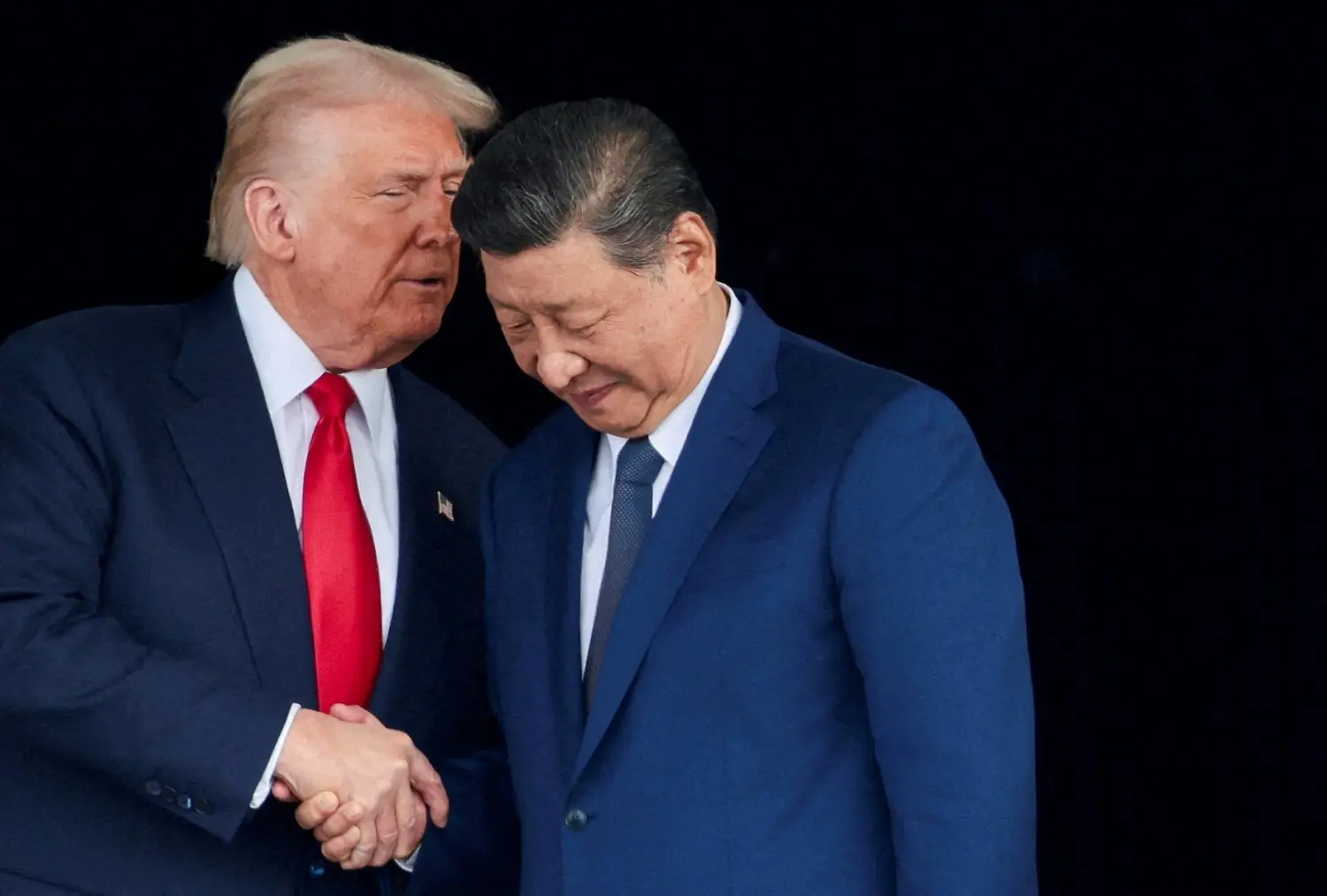
U.S. President Donald Trump has asked Chinese authorities to delay his planned diplomatic visit to Beijing by about a month, citing the intensifying war involving the United States, Israel, and Iran. The trip, which was expected to include high-level talks with Chinese President Xi Jinping, had been scheduled for late March or early April 2026 but is now uncertain as Washington focuses on the rapidly evolving conflict.
The request comes at a time when the United States is deeply engaged in military operations following joint U.S.-Israeli strikes on Iranian targets earlier in the year. The conflict has escalated quickly, drawing international concern due to its potential to disrupt global trade and energy supplies. One of the most immediate consequences has been Iran’s actions affecting shipping routes in the Strait of Hormuz, a narrow but critical passage through which a significant portion of the world’s oil supply flows.
The disruption in the Strait of Hormuz has already caused volatility in global energy markets. Oil prices have fluctuated as fears grow over supply shortages, and countries heavily dependent on imported energy have been forced to reassess their strategies. This has added urgency to diplomatic efforts, as global powers attempt to prevent further escalation while safeguarding economic stability.
President Trump indicated that his decision to postpone the Beijing visit was driven by the need to remain in Washington and oversee military and strategic coordination. Wartime leadership responsibilities, including decisions related to troop movements, intelligence, and alliances, have taken precedence over scheduled diplomatic engagements. The delay underscores how the conflict has reshaped U.S. foreign policy priorities almost overnight.
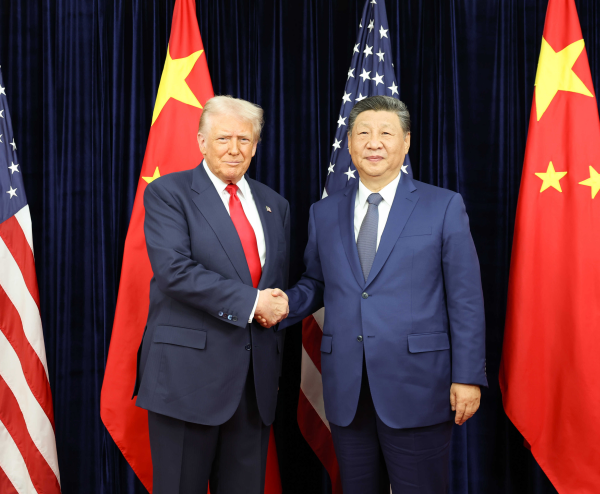
At the same time, the situation has introduced new complexity into U.S.-China relations. The planned meeting between Trump and Xi was expected to address a range of longstanding issues, including trade tensions, technology competition, and regional security concerns. The outbreak of war has added another layer, as the United States has sought support from major global powers, including China, to address the consequences of the conflict.
Washington has reportedly encouraged Beijing to play a more active role in ensuring that the Strait of Hormuz remains open to international shipping. China, as one of the world’s largest importers of oil, has a strong interest in maintaining the free flow of energy supplies. However, Beijing has taken a cautious approach, emphasizing diplomatic solutions and de-escalation rather than direct military involvement. This difference in approach highlights the broader strategic divide between the two countries.
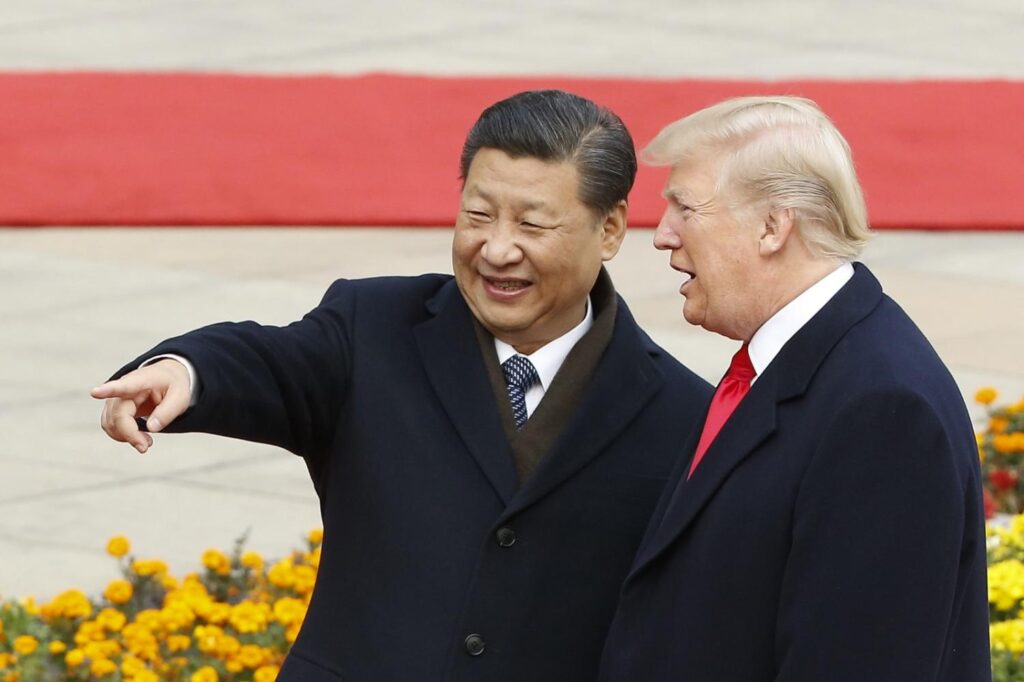
Within the U.S. administration, there have been mixed explanations for the proposed delay. Some officials have described it as a logistical matter rather than a political signal, suggesting that rescheduling could allow for better preparation and more substantive outcomes when the meeting eventually takes place. Others see it as a reflection of the administration’s shifting focus toward managing the immediate crisis in the Middle East.
The broader international response to the conflict has also influenced the situation. While the United States has sought assistance from allies and partners, many countries have been hesitant to become directly involved in military operations. Concerns about escalation, legal constraints, and domestic political considerations have limited participation. China’s position, centered on diplomacy and stability, aligns with this more cautious global stance.
The delay of the Beijing visit may have longer-term implications for U.S.-China relations. Diplomatic engagements at the presidential level are often carefully timed to advance negotiations and manage tensions. Postponing such a meeting risks slowing progress on key issues and could contribute to uncertainty in the bilateral relationship. At the same time, it may provide both sides with additional time to reassess their positions in light of the changing global landscape.
The situation also reflects a broader pattern in international politics, where regional conflicts can quickly take on global significance. The Iran war has not only affected the Middle East but has also influenced economic conditions, security policies, and diplomatic strategies worldwide. Major powers are being forced to adapt rapidly, balancing immediate crisis management with longer-term strategic goals.
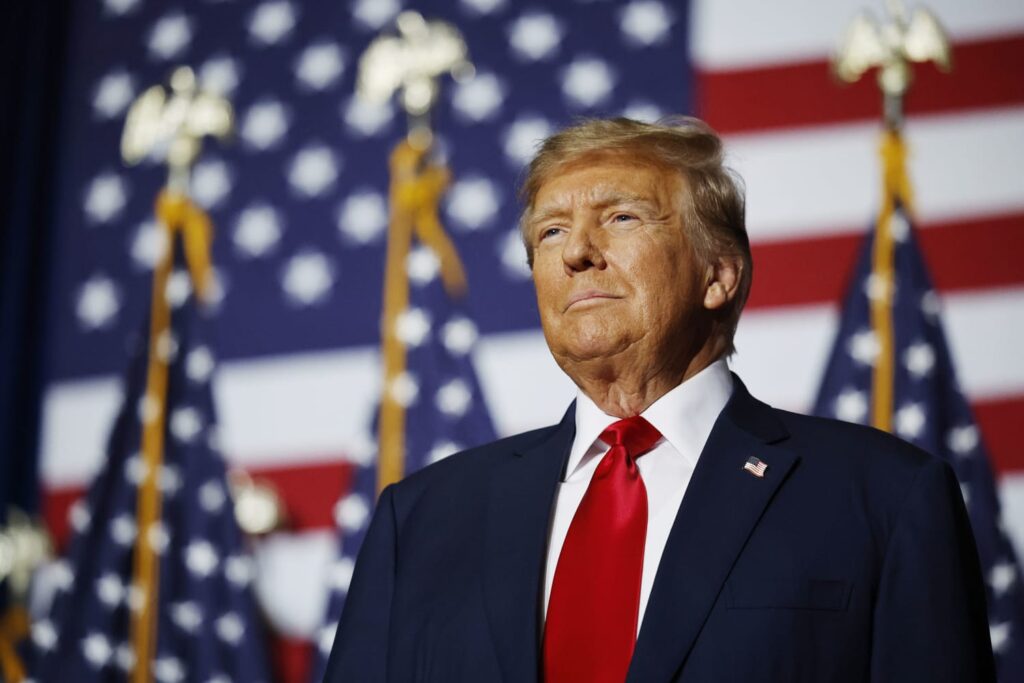
As the conflict continues, the timing of a rescheduled meeting between Trump and Xi remains unclear. Much will depend on how the situation in the Middle East evolves and whether efforts to stabilize the region prove successful. For now, the postponement serves as a clear example of how geopolitical events can disrupt even the most carefully planned diplomatic initiatives, reshaping priorities and redefining relationships on the global stage.