

Ghana’s headline inflation rate continued its sharp downward trend in February 2026, falling to 3.3 percent year on year. According to the Ghana Statistical Service, this marks the lowest inflation level recorded since the Consumer Price Index was rebased in 2021 and represents the weakest price growth seen in nearly three decades. The development signals a notable shift in the country’s macroeconomic environment after several years of severe inflationary pressure driven by currency depreciation, global supply disruptions, and elevated commodity prices.
The February Consumer Price Index stood at 264.4 compared to 255.9 in the same month a year earlier, producing the 3.3 percent annual inflation figure. On a month on month basis, prices rose by 0.8 percent between January and February. While this indicates that prices are still increasing gradually, the pace of growth remains subdued compared to the rapid escalations recorded during the peak inflation period of 2022 and 2023.
This latest reading extends a consistent disinflation trend. Ghana experienced a surge in inflation that peaked above 50 percent in 2022, one of the highest levels recorded in the country’s recent economic history. By February 2025, inflation had already declined to 23.1 percent. The drop to 3.3 percent in February 2026 therefore reflects a dramatic improvement in price stability within a relatively short period. It also represents roughly fourteen consecutive months of declining year on year inflation, underscoring sustained momentum in economic stabilization efforts.
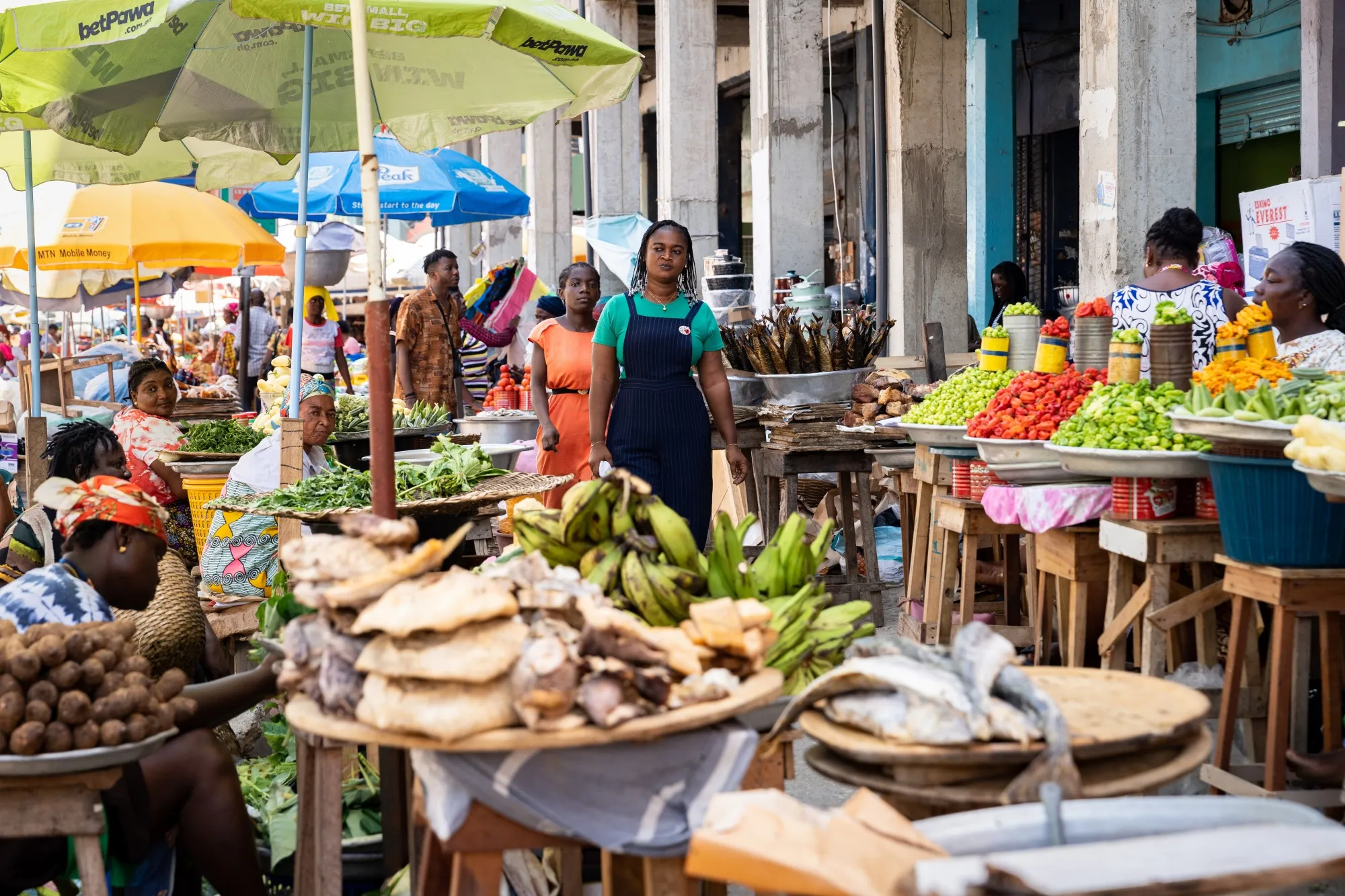
A breakdown of the inflation components shows that food price moderation played a major role in the overall decline. Food and non alcoholic beverages inflation eased significantly to around 2.4 percent in February, down from 3.9 percent in January. Food prices often carry substantial weight in the national inflation basket and can be highly sensitive to weather patterns, supply chain disruptions, and transportation costs. The sharp slowdown suggests improved domestic supply conditions and relative stability in agricultural production and distribution networks.
Non food inflation, by contrast, edged slightly higher to about 4.0 percent from 3.9 percent the previous month. Categories such as transport, housing, utilities, and energy contributed to this marginal increase. Even so, the moderate rise in non food prices was not sufficient to offset the broader downward pressure created by slower food price growth. Imported goods also saw a noticeable easing in price increases, partly due to improvements in exchange rate conditions.
The relative stability of the Ghanaian cedi has been a critical factor in this development. In previous years, sharp currency depreciation significantly amplified imported inflation, pushing up the cost of fuel, machinery, food imports, and other essential goods. However, improved foreign exchange conditions, stronger export earnings, and enhanced policy coordination have helped reduce currency volatility. As a result, imported inflation has moderated, contributing to the overall decline in headline inflation.
Policy measures have also played a central role. The Bank of Ghana maintained a tight monetary policy stance during the peak inflation period, raising interest rates and implementing liquidity management strategies aimed at curbing excess demand and stabilizing the currency. Fiscal consolidation efforts by the government, including expenditure controls and revenue enhancement measures, further supported macroeconomic stabilization. These combined efforts appear to be yielding tangible results.
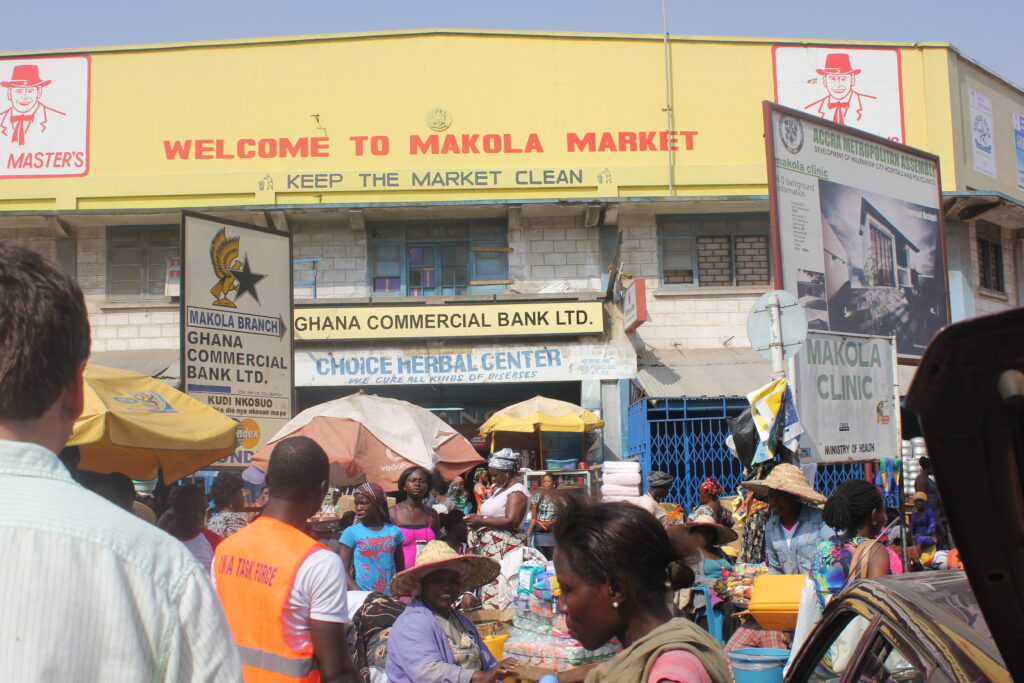
From a historical perspective, achieving a 3.3 percent inflation rate is significant for Ghana. The country has not recorded such a low inflation figure since the late 1990s. For many households, the easing of price pressures brings relief after a prolonged period of rising living costs. During the height of inflation, food, transportation, and utility bills consumed a growing share of disposable income, particularly among low and middle income families. The current moderation therefore has meaningful social and economic implications.
Businesses also stand to benefit from the improved price environment. Lower inflation reduces uncertainty in input costs, improves planning horizons, and can encourage investment decisions. For financial markets, sustained price stability strengthens investor confidence and supports broader economic recovery. Lower inflation may also provide space for future adjustments in monetary policy if the disinflation trend proves durable and consistent with medium term targets.
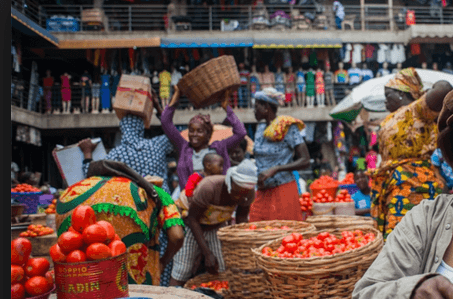
Despite the positive outlook, some risks remain. Global commodity prices, particularly crude oil and key food imports, remain susceptible to geopolitical tensions and supply shocks. Adverse weather conditions could also disrupt agricultural output, placing upward pressure on food prices. Policymakers will therefore need to remain vigilant to ensure that inflation expectations stay anchored and that recent gains are not reversed.
Overall, the decline in inflation to 3.3 percent represents a major milestone in Ghana’s economic recovery. It reflects coordinated monetary and fiscal interventions, improved currency stability, and easing supply side pressures. While continued discipline and careful monitoring will be required, the latest figures signal that the country is moving toward a more stable and predictable price environment, laying a stronger foundation for sustainable economic growth in the years ahead.