

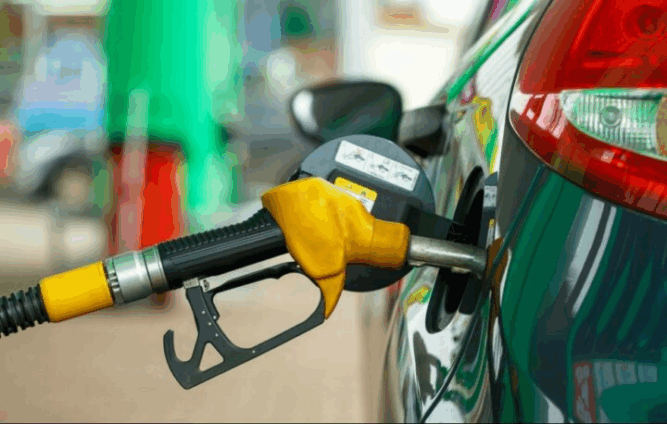
The National Petroleum Authority (NPA) has raised the fuel price floor for the March 1 pricing window, pushing petrol to GH¢10.46 per litre and diesel to GH¢11.42 per litre. The adjustment reflects shifts in international petroleum benchmarks, exchange rate movements and regulatory calculations under Ghana’s deregulated downstream pricing regime.
The revised price floor sets the minimum benchmark below which Oil Marketing Companies are not permitted to sell fuel during the pricing window. Under Ghana’s pricing structure, adjustments are typically reviewed every two weeks, taking into account global crude oil prices, refined product costs, freight charges, insurance premiums, foreign exchange rates and statutory taxes and levies.
Industry analysts note that the latest increase comes amid renewed volatility in global energy markets. Geopolitical tensions in the Middle East have placed upward pressure on international crude oil prices, as traders factor in potential supply disruptions and heightened risk premiums. Even in the absence of physical shortages, expectations of tighter supply often translate into higher benchmark prices for refined petroleum products.

The Ghanaian downstream sector operates under a deregulated framework introduced to promote competition and reflect market realities. While the National Petroleum Authority sets the price floor, individual Oil Marketing Companies retain the flexibility to determine their final pump prices, provided they do not sell below the approved minimum. As a result, retail prices may vary slightly across service stations, depending on operational costs and marketing strategies.
The new price levels represent an increase compared to the previous pricing window and are likely to have ripple effects across the broader economy. Fuel prices directly influence transportation fares, logistics costs and production expenses for businesses that rely heavily on diesel-powered generators and commercial transport. Economists warn that sustained increases in pump prices could contribute to inflationary pressures, particularly in food distribution and essential goods.
Petrol and diesel remain the most widely consumed petroleum products in Ghana. Petrol is primarily used for private and commercial vehicles, while diesel is heavily relied upon by haulage operators, construction firms and industrial facilities. Any upward adjustment in diesel prices in particular tends to have a pronounced impact on supply chains and consumer prices.
The National Petroleum Authority has maintained that adjustments are driven by formula-based calculations rather than discretionary decisions. Key components of the pricing formula include international Free On Board prices for refined products, exchange rate performance of the cedi against the US dollar, margins for bulk distribution and marketing, as well as government-imposed levies such as the Energy Sector Recovery Levy and other statutory charges.
Recent exchange rate movements have also played a role in shaping the pricing outlook. Since Ghana imports a significant portion of its refined petroleum products, fluctuations in the cedi’s value against the dollar directly affect landing costs. A weaker local currency increases the cost of imports, even if international crude prices remain stable.

Consumer advocacy groups have called for continued transparency in pricing mechanisms, urging authorities to clearly communicate the factors driving adjustments. Transport unions are also closely monitoring the changes, as fare reviews often follow sustained increases in fuel costs. Historically, transport operators have cited fuel price hikes as justification for upward fare revisions, which in turn influence household spending patterns.
Despite the increase, the National Petroleum Authority has reiterated that supply levels remain stable and there are no shortages across the country. Bulk Oil Distribution Companies and Oil Marketing Companies continue to maintain adequate stocks, ensuring that the adjustment reflects pricing rather than availability concerns.
Market observers will be watching international oil trends closely in the coming weeks. Should global prices ease or the exchange rate strengthen, subsequent pricing windows could see stabilization or marginal reductions. However, if geopolitical risks persist or crude benchmarks climb further, additional upward adjustments cannot be ruled out.
For now, motorists and businesses will have to adjust to the new minimum prices of GH¢10.46 per litre for petrol and GH¢11.42 per litre for diesel as the March 1 window takes effect. The broader economic impact will depend on how long current global market pressures persist and how quickly external conditions stabilize.