

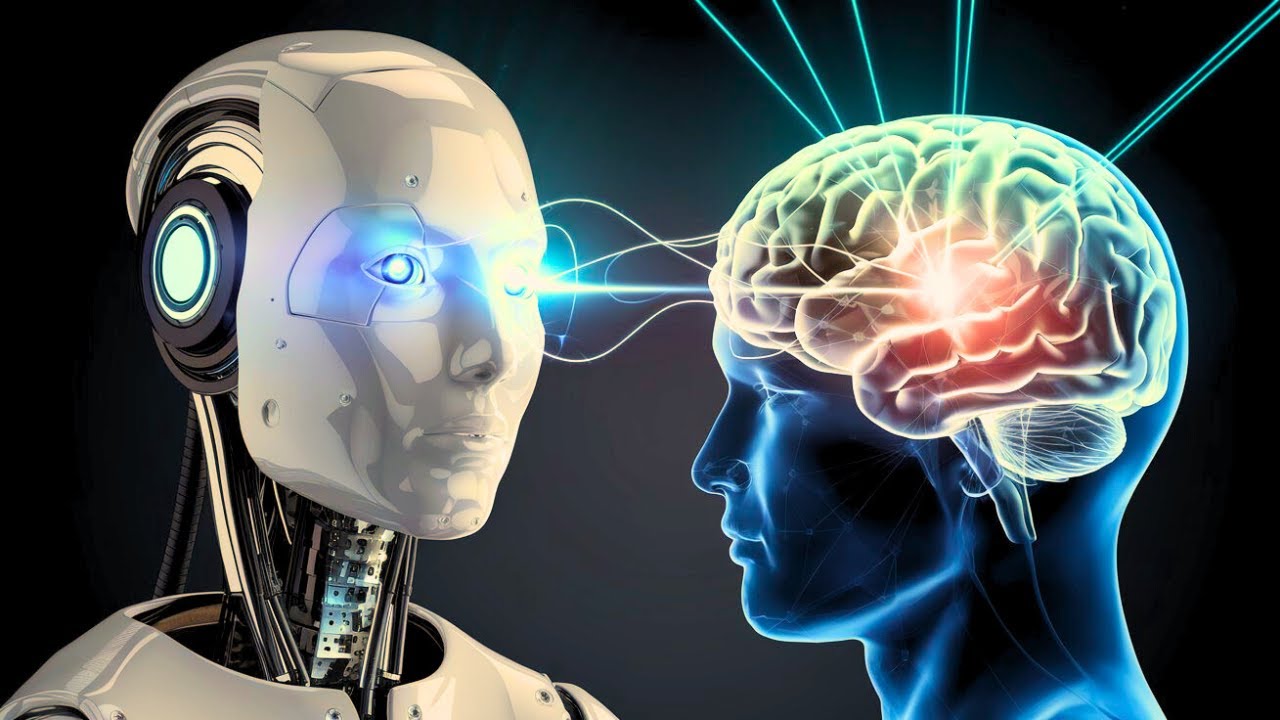
Inner speech decoding has taken a major leap forward, with AI-powered brain-computer interfaces now translating silent, internal thoughts into real-time text and even expressive speech. Breakthroughs from Stanford University and UC Davis in 2025 demonstrate systems that capture neural patterns associated with imagined words, without requiring physical speech attempts, offering new hope for communication while sparking debates on privacy and future human interaction.
Inner Speech Decoding Enables Effortless Communication
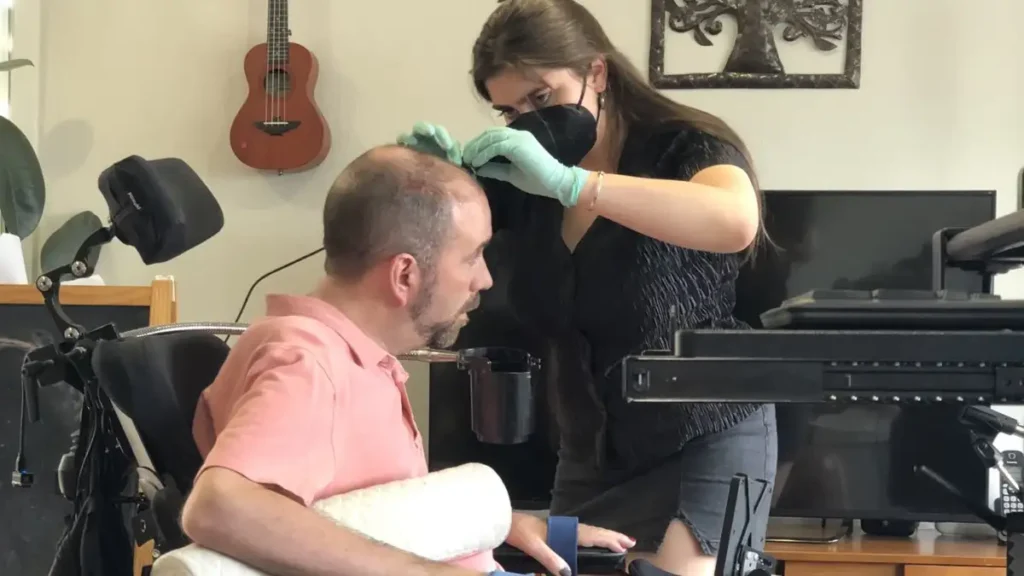
Stanford’s August 2025 study, published in Cell, showed four participants with severe speech impairments (from ALS or stroke) using implanted microelectrode arrays in the motor cortex. The system decoded inner speech, silent mental rehearsal of words, with accuracies up to 74% in controlled tasks and word error rates as low as 26% for large-vocabulary real-time decoding (125,000 words). Participants activated decoding via a mental keyword trigger, then imagined sentences, seeing them appear on screen instantly. This built on prior attempted-speech methods but reduced effort, as inner speech signals, though weaker, overlap significantly with motor patterns for speaking.
UC Davis researchers, led by Maitreyee Wairagkar, advanced this in 2025 by synthesizing natural-sounding voice from neural activity, including intonation, pitch, and rhythm. An ALS patient modulated tone to ask questions or sing melodies, achieving about 60% intelligibility. These inner speech decoding techniques mark a shift from slow, effortful communication to more natural, self-paced expression.
Why Inner Speech Decoding Matters Profoundly
Inner speech decoding addresses a core challenge for millions with conditions like ALS, locked-in syndrome, or stroke: restoring rapid, low-effort interaction. Traditional BCIs required users to attempt physical speech, tiring and limiting speed (often below 40 words per minute versus natural 150). Decoding inner speech pushes toward conversational rates, enhancing independence, social connection, and quality of life. It also deepens neuroscience understanding, revealing motor cortex involvement in silent thought and potential roles for areas like the superior temporal gyrus in auditory imagination.
Commercial momentum accelerates progress: Neuralink plans high-volume production and automated implantation by 2026, expanding from medical to broader applications. Companies eye scalable neurotech, potentially transforming accessibility tools.
Inner Speech Decoding Transforms Assistive Businesses
Businesses in neurotech, healthcare, and AI stand to gain enormously from inner speech decoding. Device manufacturers like Neuralink and research collaborators see market expansion for implantable BCIs, with demand from rehabilitation centers, hospitals, and home-care providers. Software firms developing decoding algorithms benefit from licensing opportunities, while telehealth platforms integrate thought-to-text for remote consultations.
For pharma and biotech, accurate neural mapping accelerates drug trials for neurological disorders. Tech giants investing in AI (e.g., for pattern recognition) find new datasets and use cases, spurring innovation in voice synthesis and human-machine interfaces. Overall, inner speech decoding catalyzes a neurotech industry projected for rapid growth, creating jobs in engineering, data science, and ethical oversight.
Inner Speech Decoding Impacts Households and Privacy
Households with affected members experience life-changing relief from inner speech decoding. Caregivers gain easier communication with loved ones, enabling conversations, emotional expression, and decision-making without intermediaries. Patients regain autonomy in daily tasks, education, or work, reducing isolation and dependency.
Yet broader implications raise household concerns. As inner speech decoding matures and non-invasive versions (e.g., fMRI-linked AI for visual/auditory reconstruction) evolve, privacy risks emerge. Unauthorized access to thoughts could threaten mental autonomy, especially if commercial devices proliferate. Ethical questions, consent, data security, potential misuse for surveillance, loom large. Families may weigh benefits against long-term vulnerabilities, prompting calls for regulations safeguarding “mental privacy.”
The Future Path for Inner Speech Decoding
Inner speech decoding remains imperfect, open-ended thoughts yield gibberish, and accuracy varies, but rapid advances suggest conversational viability soon. Improvements in electrode density, multi-region sampling, and AI training promise higher fidelity. Non-invasive alternatives could democratize access, though implants offer precision for severe cases.
These developments highlight AI’s role in bridging brain and machine, starting with medical restoration but hinting at enhanced cognition or direct brain-to-brain links. For now, inner speech decoding delivers hope to those silenced by illness, empowers assistive industries, and challenges society to protect the last private frontier: our unspoken thoughts. Balancing innovation with safeguards will determine whether this becomes a tool for empowerment or a Pandora’s box for privacy.