

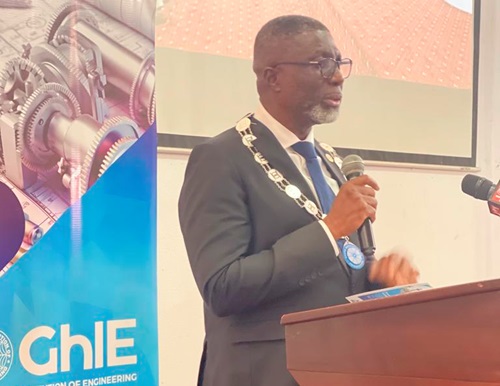
Ghana’s road sector financial exposure has reached alarming levels, threatening the nation’s infrastructure ambitions and economic stability. The President of the Ghana Institution of Engineering (GhIE), Ing. Ludwig Annang Hesse, issued a stark warning in his 53rd presidential address, pressing the Finance Minister to intervene decisively. Persistent issues like delayed payments, ballooning costs, and unreliable funding are stalling projects and shaking confidence across the industry.
Road Sector Financial Exposure Deepens Contractor Struggles
At the heart of the crisis lies chronic delays in paying contractors and consultants. These arrears create severe cash flow shortages, forcing many firms to halt work, lay off workers, or even shut down operations. With outstanding obligations reportedly in the tens of billions of cedis, contractors often borrow heavily at high interest rates to stay afloat. When payments arrive late or not at all, interest piles up, eroding profits and pushing some businesses toward insolvency. This ripple effect weakens the entire construction supply chain, suppliers of materials like cement, aggregates, and asphalt face their own payment delays, leading to higher prices or shortages that inflate overall project costs.
For businesses beyond construction, road sector financial exposure translates to unreliable transport networks. Poor or unfinished roads increase vehicle maintenance expenses, fuel consumption, and delivery times for goods. Logistics companies pass these added costs onto consumers, driving up prices for food, manufactured products, and essential services. Small and medium enterprises, especially those reliant on rural-urban trade, suffer the most as impassable or deteriorated roads limit market access and reduce competitiveness.
How Road Sector Financial Exposure Affects Households Daily
Ordinary Ghanaians feel the pinch in multiple ways. Commuters endure longer travel times, higher transport fares, and greater risks from potholes and unfinished highways. In rural areas, delayed road projects mean limited access to markets, schools, hospitals, and emergency services, exacerbating poverty and inequality. Maintenance costs for private vehicles rise sharply on bad roads, straining household budgets already pressured by inflation and living expenses.
The long-term economic drag is equally concerning. Reliable infrastructure drives growth by lowering trade barriers, attracting investment, and boosting productivity. When road sector financial exposure stalls progress, investor confidence wanes, foreign direct investment slows, and job creation in construction and related sectors suffers. Ghana risks widening its infrastructure deficit, leading to higher future repair bills and lost opportunities for inclusive development.
Calls for Structural Reforms to Tackle Road Sector Financial Exposure
Ing. Annang Hesse emphasized that quick fixes like one-off cash injections fall short. Sustainable progress demands predictable funding, adherence to quality standards, transparent procurement, and timely disbursements to deliver value for money. He specifically urged reducing the project portfolio to match available resources, having the Finance Ministry assume responsibility for arrears through negotiated settlements, and refocusing the Road Maintenance Trust Fund solely on maintenance by relieving it of unrelated burdens.
He also advocated increasing the fuel levy to sustainable levels and implementing a robust system for collecting real-time traffic data. Accurate data would enable better planning, prioritized maintenance, and smarter investment decisions, preventing wasteful spending on poorly targeted projects.
The Bigger Picture: Act Now or Pay More Later
Without coordinated action from the Ministries of Finance and Roads and Highways, Ghana faces escalating road deterioration, ballooning maintenance expenses, and diminished public trust in government delivery. Addressing road sector financial exposure is not merely a sectoral issue, it’s essential for economic resilience, business viability, and household welfare.
The GhIE’s plea underscores a critical truth: disciplined implementation of existing frameworks, rather than new plans alone, holds the key to breaking the cycle. If heeded, these recommendations could stabilize the sector, revive stalled sites, protect livelihoods, and pave the way for durable, high-quality infrastructure that benefits all Ghanaians. The cost of inaction, however, will be measured in continued hardship for businesses, inflated living costs for households, and a nation left lagging behind its development goals.