

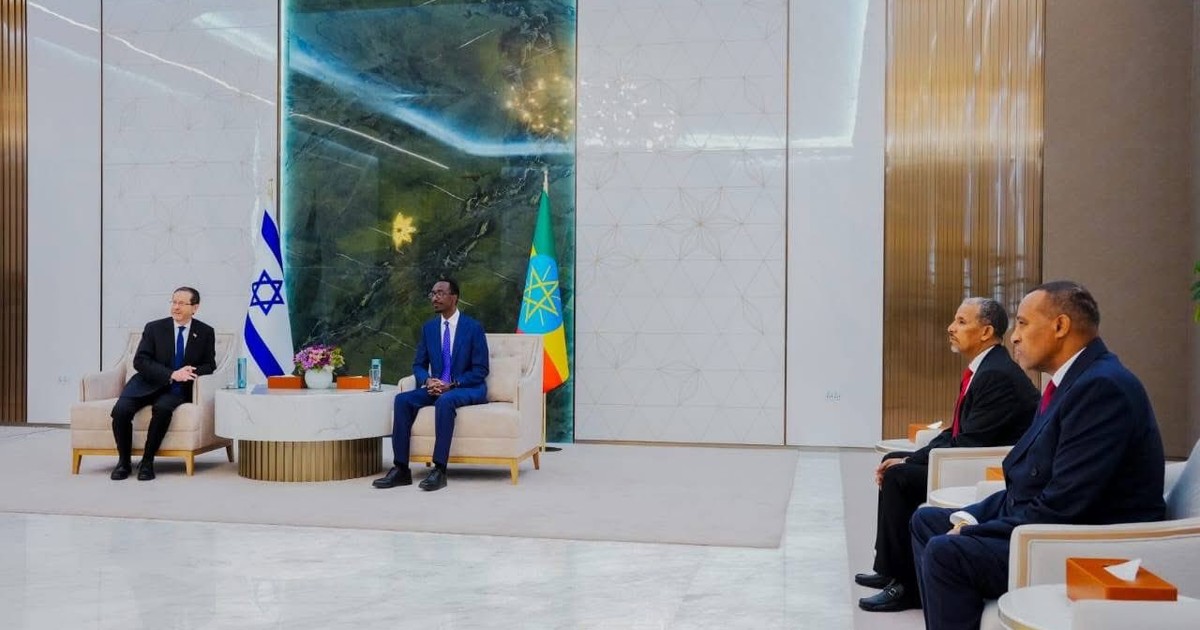
Diplomatic visits Ethiopia have intensified dramatically in February 2026, with leaders from Israel, Turkey, and Italy arriving in Addis Ababa within weeks. This flurry underscores Ethiopia’s growing stature as a strategic hub in the Horn of Africa and East Africa’s largest economy, drawing high-level engagement amid regional dynamics and economic ambitions.
Diplomatic Visits Ethiopia Open Doors to Israeli Ties
Israeli President Isaac Herzog’s arrival on February 25 kicked off talks with Ethiopian President Taye Atske Selassie and Prime Minister Abiy Ahmed. Discussions centered on deepening political, trade, and technological cooperation, building on historical links and Israel’s push to expand African partnerships. Herzog highlighted strong bilateral relations and broader continental outreach, including recent stops in Zambia and the DRC. For Ethiopia, this strengthens tech transfers, agriculture innovation, and security collaboration, areas where Israeli expertise in water management, cybersecurity, and startups could accelerate development.
Diplomatic Visits Ethiopia Seal Turkish Energy and Infrastructure Gains
Just days earlier, Turkish President Recep Tayyip Erdogan visited on February 17, marking his first trip in over a decade and coinciding with 100 years of formal ties. The centerpiece was a memorandum on joint energy production and infrastructure projects, aiming to boost industrial growth. Turkey’s substantial investments, over $2.5 billion in textiles, railways, and construction, position it as a top foreign player after China. The accord promises enhanced power generation and cross-border links, vital for Ethiopia’s industrialization drive and export ambitions.
Diplomatic Visits Ethiopia Spotlight Italy’s Mattei Plan
Earlier in the month, Italian Prime Minister Giorgia Meloni co-hosted the second Italy-Africa Summit in Addis Ababa, aligning with the African Union Assembly. She advanced the Mattei Plan, a non-predatory framework for sustainable partnerships in agriculture, energy, infrastructure, and trade, echoing Agenda 2063. Meloni emphasized job creation to address migration root causes, positioning Ethiopia as a key collaborator. The summit reviewed ongoing initiatives and pledged mutual respect, offering Ethiopia access to Italian expertise in renewables and development finance.
Why Diplomatic Visits Ethiopia Matter Strategically
These diplomatic visits Ethiopia reflect Addis Ababa’s pivotal role in regional stability and global outreach. Hosting the African Union headquarters and navigating Horn tensions, like Red Sea access and Somaliland issues, makes Ethiopia indispensable. The convergence signals competition among powers for influence: Turkey counters rivals through economic muscle, Italy focuses on equitable growth, Israel emphasizes tech and security. For Ethiopia, the timing leverages post-conflict recovery and macroeconomic reforms to attract diverse partners, reducing over-reliance on any single actor and amplifying bargaining power.
Diplomatic Visits Ethiopia Fuel Business Opportunities
Businesses stand to gain significantly from diplomatic visits Ethiopia. Turkish energy deals could lower power costs and improve reliability for manufacturers and exporters, spurring industrial zones and job creation. Israeli tech collaborations promise innovation in agriculture (drip irrigation, precision farming) and digital services, boosting productivity for agribusinesses and startups. Italian investments via the Mattei Plan target infrastructure and renewables, creating contracts for local firms in construction, logistics, and green energy. Overall, heightened foreign interest enhances investor confidence, eases access to finance, and expands markets, critical for Ethiopia’s private sector amid ambitious growth targets.
Diplomatic Visits Ethiopia Impact Households Positively
Households benefit indirectly but tangibly from diplomatic visits Ethiopia. Improved energy infrastructure from Turkish partnerships means more consistent electricity, reducing reliance on costly generators and enabling small businesses or home enterprises. Agricultural tech from Israel could stabilize food supplies and lower prices over time through higher yields. Italian-backed job-focused initiatives aim to create employment in rural and urban areas, easing unemployment and migration pressures. Enhanced stability attracts remittances and tourism, supporting family incomes. While short-term gains may be gradual, sustained partnerships foster economic resilience that translates to better living standards and reduced vulnerability to shocks.
The Road Ahead for Diplomatic Visits Ethiopia
Ethiopia’s diplomatic momentum positions it as a bridge between Africa and global players, but execution is key. Converting agreements into tangible projects requires transparent implementation, local capacity building, and alignment with national priorities. Geopolitical sensitivities, particularly in the Horn, add complexity, yet the diversity of partners offers balance.
These diplomatic visits Ethiopia are more than photo ops; they signal a pivotal moment for investment inflows, technological upgrades, and strategic alliances. If leveraged well, they could accelerate Ethiopia’s transformation, delivering broader prosperity to businesses through growth opportunities and to households via improved services, jobs, and stability in an increasingly interconnected region.
IMF mission arrives in Kenya for talks on new loan programme