

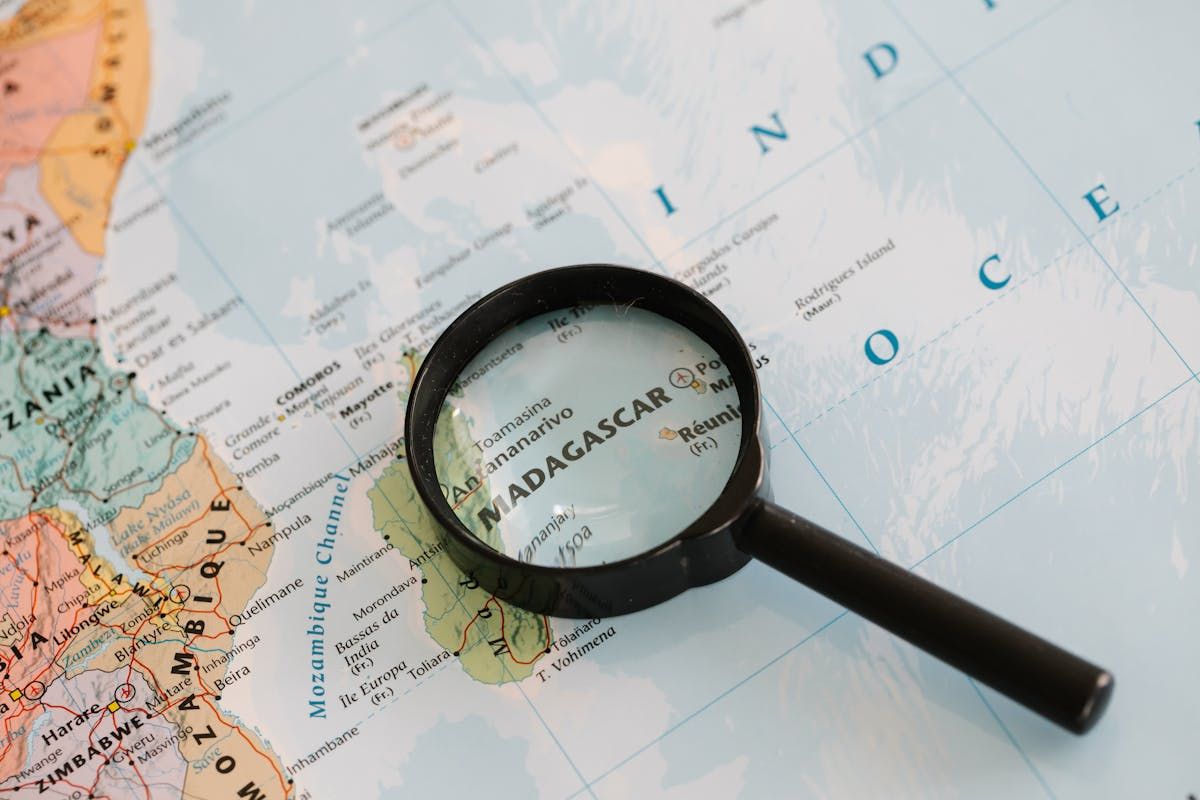
Madagascar 15-day e-Visa fee hike has taken effect, tripling the cost of short-stay entry permits from €10 to €30 as of February 16, 2026. The adjustment, published on the country’s official e-Visa portal, applies only to travellers applying online for stays of up to 15 days. While longer stay categories remain unchanged, the sharp increase in the short-stay bracket is already prompting discussion across the travel and tourism sector.
The Madagascar 15-day e-Visa fee hike represents the first significant upward revision in this category since the country reactivated its digital visa system after pandemic disruptions. Previously considered one of the most affordable short-stay entry options globally, Madagascar’s low €10 fee had been seen as a competitive advantage in attracting spontaneous and budget-conscious tourists.
Why the Madagascar 15-Day e-Visa Fee Hike Matters
The Madagascar 15-day e-Visa fee hike may appear modest in absolute terms, but percentage-wise it is substantial. A threefold increase alters cost calculations for short-haul visitors, backpackers, and regional travellers who often make decisions based on marginal price differences.
Tourism is a key revenue driver for Madagascar, an island nation renowned for its unique biodiversity and ecotourism appeal. As global travel demand recovers, policymakers face the delicate balance between maximizing state revenue and maintaining competitiveness. The Madagascar 15-day e-Visa fee hike suggests a shift toward revenue optimization, potentially reflecting inflationary pressures and rising administrative costs.
Internationally, visa fee increases are not uncommon. Several Schengen countries raised short-stay visa costs in 2024, and the United States revised its non-immigrant visa fee structure. However, those adjustments were incremental compared to the scale of the Madagascar 15-day e-Visa fee hike.
Impact on Travel Businesses
For airlines, tour operators, and hospitality providers, the Madagascar 15-day e-Visa fee hike could influence booking patterns. Short-stay tourists, particularly those combining Madagascar with multi-destination African itineraries, may reconsider trip duration or compare costs with alternative destinations.
Tour operators catering to budget travellers could face higher price sensitivity. A €20 difference may not deter luxury travellers, but it can shape decisions for backpackers or regional visitors traveling within Africa. If short stays decline, hotels and local excursion providers might see a shift toward longer stays, especially since 30-day visa fees remain unchanged.
Interestingly, the Madagascar 15-day e-Visa fee hike may encourage travellers to opt for longer visa categories. If the cost gap between 15-day and 30-day options narrows, visitors may extend their stays, potentially increasing per-capita spending within the country.
Household and Traveller Implications
For households planning travel, the Madagascar 15-day e-Visa fee hike adds to overall trip costs that already include airfare, accommodation, insurance, and local transport. While €30 remains affordable compared to visa fees in some Western countries, the abrupt increase may affect family travel budgets, especially for group bookings.
African regional travellers, who often prioritize cost efficiency, may feel the impact more acutely. Cross-border tourism within Africa is growing, and price competitiveness remains crucial. If neighbouring countries maintain lower entry costs or introduce promotional visa waivers, travellers may compare options more carefully.
Domestically, Malagasy households dependent on tourism revenue could feel indirect effects. If the Madagascar 15-day e-Visa fee hike dampens visitor inflows, small businesses such as guesthouses, local guides, and craft vendors may experience reduced demand. Conversely, if revenue from the hike is reinvested in infrastructure and tourism promotion, communities could benefit in the long term.
Policy Context and Regional Trends
The Madagascar 15-day e-Visa fee hike occurs within a broader continental trend of visa policy adjustments. Some African nations have moved to digitize entry systems to streamline arrivals and reduce bottlenecks. Others, such as Gabon, have temporarily waived visa fees to stimulate tourism during peak seasons.
Madagascar’s approach appears more revenue-driven than promotional. By limiting the increase to the 15-day category, authorities may be targeting short-term visitors while preserving incentives for longer stays. This nuanced adjustment suggests policymakers are attempting to balance fiscal needs with tourism competitiveness.
Insight Explains
The Madagascar 15-day e-Visa fee hike underscores how visa pricing functions as both a fiscal tool and a tourism strategy. For governments, visa fees generate non-tax revenue and can offset administrative and security costs. For businesses, entry fees influence demand elasticity and travel behavior. For households, even relatively small changes affect travel planning and discretionary spending.
In the short term, the Madagascar 15-day e-Visa fee hike may slightly raise the cost barrier for entry. In the medium term, its impact will depend on how travellers respond and whether increased revenue translates into improved services, marketing, and infrastructure.
Ultimately, the policy highlights a central tension in tourism economics: maximizing public revenue without undermining visitor growth. As global travel becomes increasingly competitive, pricing decisions such as the Madagascar 15-day e-Visa fee hike will play a critical role in shaping destination appeal and economic outcomes.