

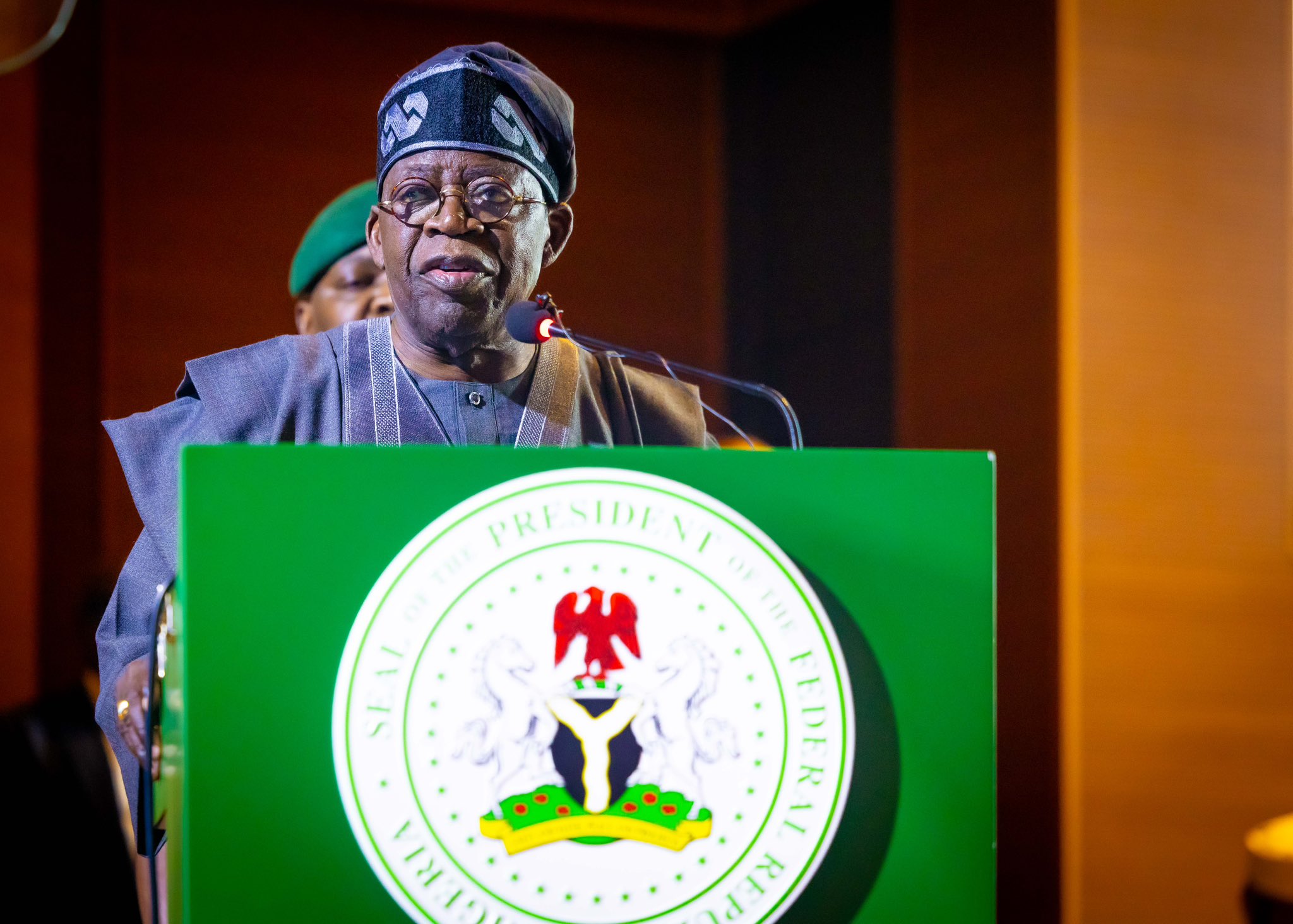
Nigeria Industrial Policy 2025 has been formally unveiled by President Bola Ahmed Tinubu, marking a renewed attempt to reposition Africa’s largest economy as a manufacturing powerhouse rather than an import-dependent market. The launch in Abuja, represented by Vice President Kashim Shettima, signals that industrialisation is back at the centre of Nigeria’s economic strategy.
At its core, Nigeria Industrial Policy 2025 aims to deepen value addition, integrate small and medium-sized enterprises into formal supply chains, and increase manufacturing’s contribution to GDP to as much as 25 percent by 2030. The ambition is clear: shift from exporting raw materials to producing finished goods domestically.
But ambition alone does not guarantee transformation. The success of Nigeria Industrial Policy 2025 will depend heavily on execution, coordination across ministries, and the resolution of structural bottlenecks that have long stifled industrial growth.
Why Nigeria Industrial Policy 2025 Matters
For decades, Nigeria has relied heavily on imports for consumer goods, machinery and even refined petroleum products. This dependency has drained foreign exchange reserves and left local industries vulnerable to currency volatility. Nigeria Industrial Policy 2025 seeks to reverse that trend by building domestic capacity.
If implemented effectively, Nigeria Industrial Policy 2025 could reshape supply chains. Encouraging local production of goods currently imported would reduce pressure on foreign exchange markets and improve trade balances. In theory, this would stabilise the naira and support macroeconomic resilience.
For businesses, especially manufacturers, the policy represents both opportunity and responsibility. It promises regulatory clarity, targeted incentives and a coordinated framework linking trade, infrastructure, finance and skills development. However, it also demands higher productivity, compliance with standards and integration into regional markets under the African Continental Free Trade Area.
The involvement of the Manufacturers Association of Nigeria suggests that private sector voices are shaping implementation discussions. Manufacturers are watching closely to see whether Nigeria Industrial Policy 2025 will deliver tangible relief from high operating costs.
Power: The Deciding Factor for Nigeria Industrial Policy 2025
No issue overshadowed the launch more than electricity. Industrialist Aliko Dangote called for a national forum to resolve Nigeria’s chronic power challenges, warning that without reliable electricity, industrial ambitions will falter.
His intervention underscores a critical reality: factories cannot run on policy statements. Nigeria Industrial Policy 2025 hinges on affordable and stable energy supply. Manufacturers currently rely heavily on diesel generators, significantly increasing production costs. These costs are often passed on to consumers, driving inflation and reducing competitiveness.
For households, unreliable electricity means more than inconvenience. When manufacturers operate below capacity or shut down due to energy constraints, job creation slows. Youth unemployment remains a pressing concern, and without functional factories, the employment targets embedded in Nigeria Industrial Policy 2025 may prove elusive.
Effects on Businesses and SMEs
Nigeria Industrial Policy 2025 places strong emphasis on integrating micro, small and medium enterprises into formal value chains. This is significant because SMEs account for a large share of employment in Nigeria. If these businesses gain access to financing, skills training and market linkages, the multiplier effects could be substantial.
Local producers of agro-processed goods, textiles, and light manufacturing stand to benefit from protective measures and clearer export pathways. The temporary restriction on raw shea nut exports, for example, signals a push toward processing raw materials domestically before shipment abroad.
For large corporations, Nigeria Industrial Policy 2025 offers a framework for long-term investment planning. Clear industrial priorities reduce uncertainty and encourage capital expenditure in sectors such as cement, food processing and chemicals. Stable foreign exchange conditions, which Dangote acknowledged have improved, further enhance investment predictability.
Household Impact and Economic Ripple Effects
The broader question is how Nigeria Industrial Policy 2025 will affect ordinary Nigerians. Industrial growth typically translates into employment opportunities, particularly for semi-skilled and skilled workers. When factories open and expand, households gain income stability, which in turn boosts consumer spending and local commerce.
Increased domestic production could also moderate prices over time. If goods currently imported at high cost are produced locally, supply chain efficiencies may reduce price volatility. For families struggling with inflation, this could provide relief.
However, the benefits will materialise only if implementation is consistent. Past policies have faltered at the execution stage. Nigeria Industrial Policy 2025 includes a dedicated implementation committee, but coordination across trade, energy, finance and infrastructure agencies will be decisive.
Nigeria Industrial Policy 2025 represents a strategic pivot from consumption-driven growth to production-led expansion. By aligning industrial ambition with energy reform, skills development and trade integration, the government is attempting to address long-standing structural weaknesses.
For businesses, the policy offers a roadmap but also sets expectations. Efficiency, competitiveness and compliance will determine who thrives in a more structured industrial ecosystem. For households, the stakes are equally high. Job creation, wage growth and price stability are closely tied to the success of Nigeria Industrial Policy 2025.
Yet the central lesson remains clear: industrial transformation requires more than blueprints. Without decisive reforms in electricity supply and infrastructure delivery, even the most comprehensive strategy may struggle to gain traction.
If Nigeria Industrial Policy 2025 succeeds, it could redefine Nigeria’s economic identity from a resource-dependent importer to a value-adding manufacturing hub. If it falters, the cost will be borne not only by investors but by millions of households waiting for sustainable jobs and economic security.
Italy and UK energy majors confirm 500 million-barrel oil discovery offshore Angola