

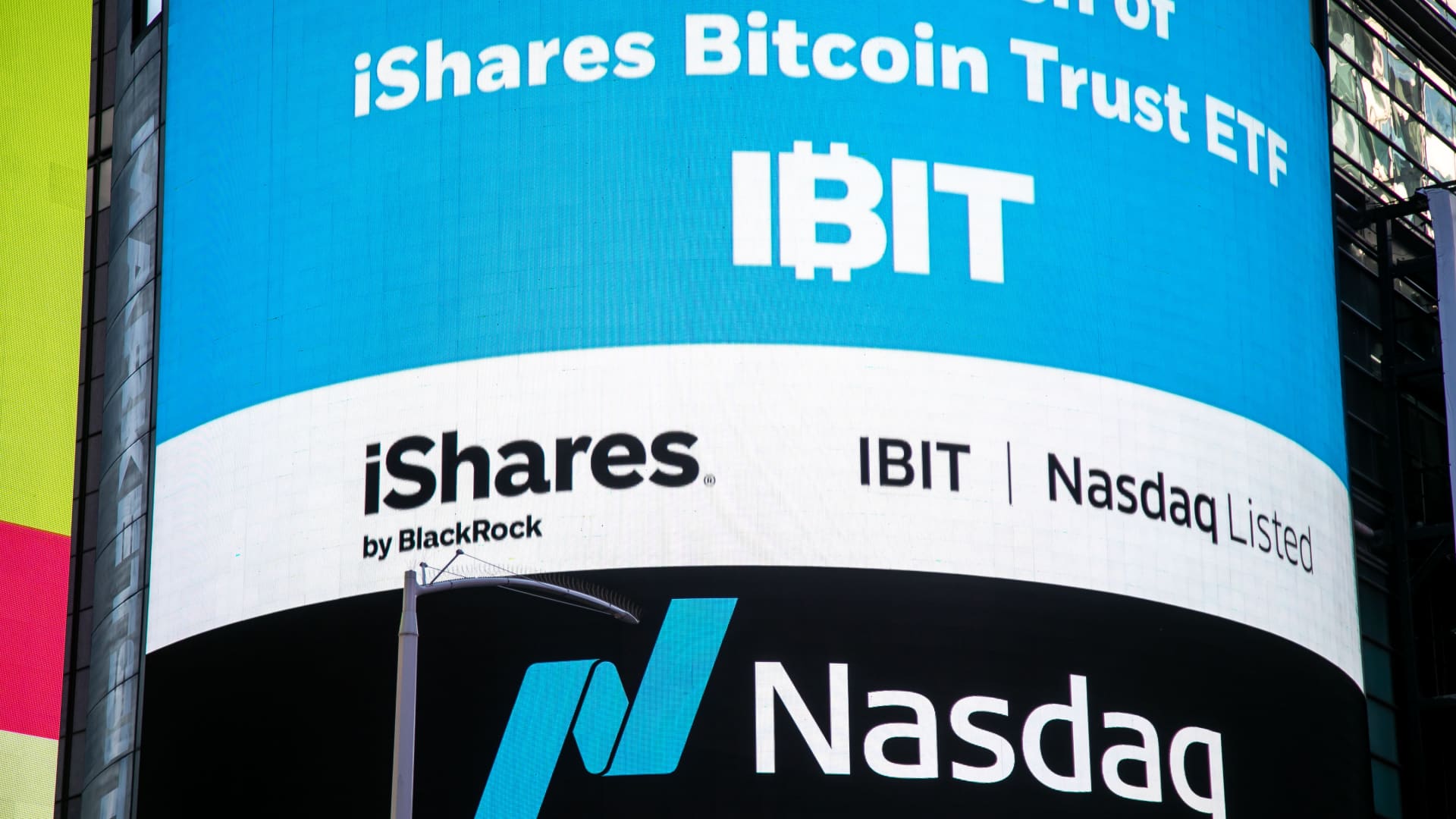
Bitcoin vs iShares Bitcoin Trust is becoming one of the defining investment debates heading into 2026. After a volatile stretch that saw prices retreat from recent highs, investors are reassessing how best to gain exposure to the world’s largest cryptocurrency. Should they own Bitcoin directly, or buy shares of the ETF managed by BlackRock known as iShares Bitcoin Trust?
The answer is not just about returns. The Bitcoin vs iShares Bitcoin Trust debate touches on risk, convenience, regulation and long-term financial strategy for both households and institutional investors.
Understanding Bitcoin vs iShares Bitcoin Trust
At its core, Bitcoin vs iShares Bitcoin Trust comes down to ownership versus exposure. Buying Bitcoin directly means holding the underlying digital asset. Investors can store it in private wallets, transfer it globally and trade around the clock. This route appeals to so-called maximalists who believe Bitcoin could eventually serve as a global reserve asset or widely accepted payment method.
By contrast, iShares Bitcoin Trust offers price exposure without direct ownership. The ETF trades like a stock on a traditional exchange, meaning it can be purchased in brokerage or retirement accounts. Investors do not handle private keys or digital wallets. Instead, the fund holds Bitcoin on their behalf and charges an annual expense ratio of 0.25 percent.
The Bitcoin vs iShares Bitcoin Trust comparison therefore hinges on whether an investor values control or convenience.
Why the Bitcoin vs iShares Bitcoin Trust Debate Matters
This debate matters because cryptocurrency is increasingly entering mainstream portfolios. Pension funds, endowments and wealth managers that once avoided digital assets are now exploring regulated vehicles like iShares Bitcoin Trust.
For households, Bitcoin vs iShares Bitcoin Trust affects how easily they can diversify. Direct ownership requires setting up crypto exchange accounts, securing private keys and understanding blockchain transactions. Mistakes can be costly and irreversible. For many retail investors, that learning curve is intimidating.
The ETF structure lowers the barrier to entry. Investors can buy shares as easily as they would any listed stock. Tax reporting is also simpler, as gains and losses are reflected through standard brokerage statements rather than multiple wallet transactions.
In a world where financial inclusion and digital assets are converging, the Bitcoin vs iShares Bitcoin Trust choice could shape how millions gain exposure to crypto markets.
Cost, Risk and Control in Bitcoin vs iShares Bitcoin Trust
One key difference in Bitcoin vs iShares Bitcoin Trust is fees. Direct Bitcoin holders do not pay management fees, though they may incur network transaction costs. Over the long term, avoiding an annual expense ratio can preserve returns.
However, direct ownership carries security responsibilities. Investors must safeguard private keys and protect against hacking or loss. The ETF model shifts those operational risks to the asset manager. In exchange for the 0.25 percent fee, investors gain professional custody and administrative support.
Counterparty risk is another factor in Bitcoin vs iShares Bitcoin Trust. ETF investors rely on the fund structure and custodians. Direct holders eliminate intermediary exposure but assume personal responsibility.
For institutional investors managing billions, regulatory clarity is crucial. Many cannot hold crypto directly due to compliance rules. The ETF provides a compliant pathway, which partly explains its rapid asset growth.
Business Implications of Bitcoin vs iShares Bitcoin Trust
The growing relevance of Bitcoin vs iShares Bitcoin Trust signals deeper integration of crypto into financial markets. Asset managers benefit from new fee-generating products, while exchanges and custodians see increased activity.
For financial advisors, the ETF simplifies portfolio construction. They can allocate a small percentage to crypto exposure without navigating unregulated exchanges. This could accelerate institutional adoption.
At the same time, direct Bitcoin ownership supports a parallel ecosystem of crypto wallets, exchanges and blockchain infrastructure providers. The outcome of Bitcoin vs iShares Bitcoin Trust may influence which segment of the industry grows faster: decentralised custody solutions or traditional asset management vehicles.
Household Wealth and Long-Term Strategy
For individual investors, Bitcoin vs iShares Bitcoin Trust is ultimately about financial goals. Those who believe Bitcoin could one day function as a transactional currency may prefer direct ownership. It allows participation beyond price speculation.
Others may view Bitcoin strictly as a high-risk, high-reward asset class. In that case, ETF exposure could be sufficient. Simplicity, automatic tax documentation and compatibility with retirement accounts make it easier to integrate into long-term savings strategies.
Market volatility remains a shared risk in Bitcoin vs iShares Bitcoin Trust. Price swings affect both approaches equally, as the ETF mirrors Bitcoin’s performance. Investors must assess risk tolerance carefully, especially given crypto’s history of sharp drawdowns.
Insight Explains
The Bitcoin vs iShares Bitcoin Trust debate reflects a broader shift in how digital assets are entering mainstream finance. It is no longer just about whether to invest in crypto, but how to do so efficiently and safely.
Direct ownership offers autonomy and potentially lower long-term costs, but requires technical competence and risk management. The ETF route provides accessibility, regulatory clarity and operational ease, at the price of ongoing fees and intermediary reliance.
For businesses in financial services, this evolution opens revenue streams and reshapes product offerings. For households, it creates new pathways to participate in an asset class that has delivered extraordinary long-term returns, albeit with extreme volatility.
As 2026 approaches, Bitcoin vs iShares Bitcoin Trust will remain a defining choice for investors seeking exposure to digital assets. The better option depends less on market forecasts and more on personal objectives, risk appetite and willingness to manage complexity.