

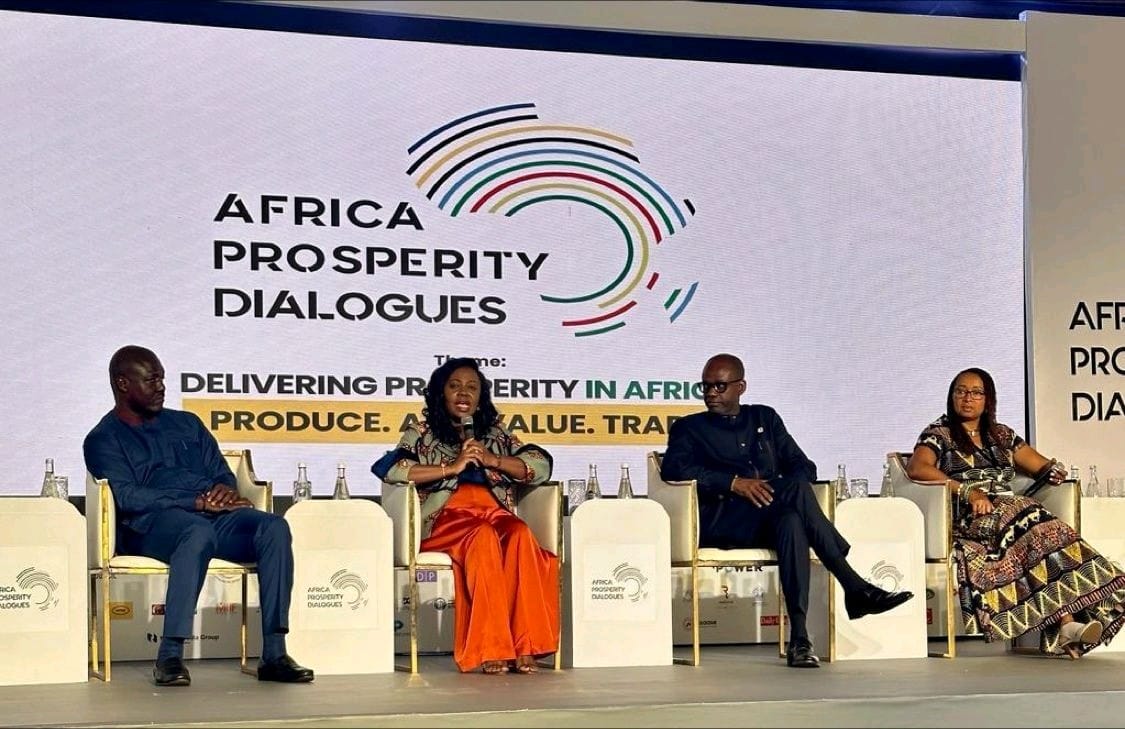
Ghana’s business ecosystem is at a pivotal moment as stakeholders increasingly highlight the importance of the African Continental Free Trade Area (AfCFTA) and equipping women and young people to benefit from it. The AfCFTA promises unprecedented opportunities for intra-African trade, yet many women and youth remain underprepared to leverage the single market. Telecel Ghana CEO, Ing. Patricia Obo-Nai, underscored this reality during the Women Prosperity Dialogue at the Africa Prosperity Dialogues (APD) 2026 in Accra, emphasizing that intentional skills development is critical for inclusion.
Why AfCFTA Women and Youth Inclusion Matters
The AfCFTA women and youth inclusion agenda is more than a social policy; it is a strategic economic imperative. Women make up a significant portion of informal and small-scale trade in Africa, while youth constitute a large and growing segment of entrepreneurs across the continent. Without targeted interventions, these groups risk being excluded from the benefits of expanded markets, cross-border trade, and regional value chains.
Ing. Obo-Nai highlighted that awareness remains a major hurdle. “The AfCFTA Protocol on Women and Youth clearly shifts the trade agreement from just opening markets to preparing people to benefit from those markets. But many women and young traders still don’t understand how AfCFTA works or how it can support their businesses,” she said. The lack of knowledge limits their ability to access new markets, secure finance, and compete effectively across borders.
Digital Skills and Financial Literacy as Trade Tools
A key theme of the discussion was the necessity of practical digital skills and financial literacy. For AfCFTA women and youth, digital literacy is no longer optional, it is a trade tool. Telecel Ghana has introduced initiatives like the Telecel DigiTech Academy, which provides coding, robotics, and design skills at the primary school level, preparing the next generation of African innovators.
In partnership with Ghana’s One Million Coders Programme, Telecel aims to train 100,000 young people, deliberately targeting at least 70 percent female participation. These interventions are designed to ensure that Africa’s youth, and especially young women, are prepared to take advantage of the continental market as it grows.
Ing. Obo-Nai emphasized the importance of connecting skills training with tangible trade opportunities. Programs like the Telecel Women in Business proposition provide access to finance, connectivity, visibility, and market reach for women-led ventures. For many informal and small-scale operators, these tools can mean the difference between surviving locally and scaling regionally.
Barriers to Participation
Despite the promise of the AfCFTA women and youth agenda, systemic barriers persist. Ing. Obo-Nai pointed to challenges including mobile money limitations, complex data regulations, multiple SIM requirements, and compliance hurdles that disproportionately affect women and youth traders. Without intervention, these obstacles risk reinforcing existing inequalities and reducing the economic potential of the single market.
Policy and private sector collaboration is essential. Embedding trade, digital, and financial literacy into national AfCFTA strategies ensures that inclusion is treated as a core requirement rather than an afterthought. Addressing these barriers can create a more equitable environment where women and youth are not only participants but also innovators and exporters in Africa’s growing economy.
Business and Household Implications
For businesses, equipping AfCFTA women and youth with skills translates into stronger SME ecosystems, increased cross-border trade, and improved competitiveness. SMEs driven by women and young entrepreneurs are vital engines for job creation, supply chain innovation, and domestic revenue generation. As these businesses grow, they can attract investment, formalize operations, and expand access to financial services.
For households, the impact is equally tangible. When women entrepreneurs succeed, household income and food security often improve. Access to digital and financial tools allows families to plan better, save more, and invest in education. By empowering youth, countries invest in long-term economic resilience, creating generational opportunities that extend beyond immediate trade gains.
A Continental Call to Action
The APD 2026 convening underscored that AfCFTA women and youth inclusion requires deliberate action from governments, the private sector, and development partners. Panelists, including Vice-President Naana Jane Opoku-Agyemang, former African Union Deputy Chair Monique Nsanzabaganwa, and representatives from the African Development Bank, stressed that cross-sector collaboration is critical. Reforms in trade policy, digital infrastructure, and financial accessibility must be coordinated to maximize participation.
Ing. Obo-Nai’s message was clear: preparing women and youth today is essential to ensure they can leverage Africa’s single market tomorrow. Early-stage skill development, targeted financing, and practical trade education are the foundation for a continent where growth is inclusive and shared.
The dialogue at APD 2026 illustrates that the success of AfCFTA women and youth initiatives is measurable not only in increased trade volumes but in empowerment, equity, and economic resilience. Africa’s single market offers vast potential, but its benefits will remain unevenly distributed without strategic investment in the continent’s most underrepresented entrepreneurs.
By aligning policy, education, and private-sector programs, Africa can build a pipeline of women and youth capable of transforming trade opportunities into sustainable businesses, household prosperity, and long-term continental growth.