

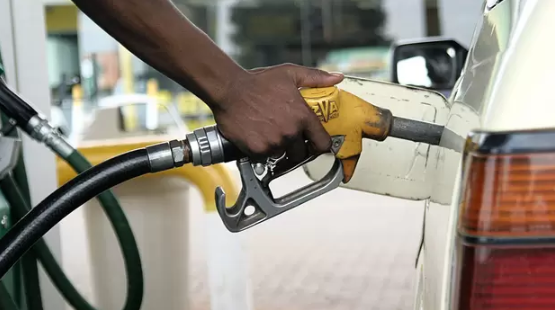
A new fuel price increase is set to take effect, today, February 16, as oil marketing companies adjust pump prices in response to currency weakness and higher global oil benchmarks. The development marks the second upward review this year and underscores how exchange rate pressures continue to shape domestic energy costs.
According to guidance from the Chamber of Oil Marketing Companies, the impending fuel price increase reflects the combined effect of the cedi’s depreciation and a surge in international crude and refined petroleum prices. Since the start of the year, the local currency has weakened by roughly 4% against the US dollar, amplifying the cost of imports in a sector heavily dependent on foreign exchange.
At the core of the latest fuel price increase is exchange rate volatility. Ghana imports refined petroleum products and crude inputs priced in dollars. When the cedi depreciates, importers require more local currency to settle transactions, which is then passed through to consumers.
Global oil dynamics are compounding the situation. Crude prices have risen by more than 5% in recent weeks, trading close to $70 per barrel. Refined products have also climbed, with petrol, gas oil, and LPG registering notable percentage increases. These global movements, combined with domestic currency depreciation, make a fuel price increase almost inevitable under the country’s pricing framework.
The Bank of Ghana has indicated its focus on maintaining price stability, yet short-term exchange pressures driven by seasonal demand for foreign currency and dividend repatriation have limited its room to maneuver.
Projected Impact of the Fuel Price Increase
Petrol prices are projected to rise by nearly 2%, pushing the per-litre cost close to GH¢12. Diesel could increase by over 2.7%, while LPG may climb by more than 3%. Although competition in the downstream sector could moderate the final pump adjustments, the fuel price increase is expected to filter through the economy in varying degrees.
For transport operators, even marginal hikes can squeeze margins. Commercial drivers and logistics firms often operate on thin profit spreads, and a sustained fuel price increase may translate into higher fares or freight charges. That, in turn, can ripple across supply chains, affecting the cost of goods from food items to construction materials.
Business Effects of the Fuel Price Increase
The fuel price increase has direct cost implications for businesses reliant on transportation and energy. Manufacturing firms that depend on diesel-powered generators may see higher operational expenses. Retailers and distributors could experience increased delivery costs, which may be partially passed on to consumers.
Small and medium-sized enterprises are particularly vulnerable. Rising fuel costs can erode profitability if demand remains weak or if competition prevents price adjustments. Over time, persistent fuel price increase cycles may force companies to reassess pricing strategies, supply chain routes, or energy efficiency investments.
However, the presence of an oversupplied local petroleum market could limit the scale of adjustments. Intense rivalry among oil marketing companies may encourage some to hold prices steady temporarily to protect market share.
For households, the fuel price increase extends beyond the pump. Transportation fares often respond quickly to higher fuel costs, affecting commuting expenses. Food prices may also rise if distribution costs climb, intensifying pressure on household budgets.
LPG users could feel the impact directly, as cooking gas prices are projected to increase. For families already managing tight finances, even modest adjustments can strain disposable income. The cumulative effect of repeated fuel price increase announcements can erode purchasing power, especially if wage growth does not keep pace.
On the other hand, if currency pressures stabilize and global oil prices retreat, future adjustments could moderate. Much depends on macroeconomic conditions and the ability of authorities to sustain exchange rate stability.
Regulatory Safeguards and Market Stability
The National Petroleum Authority has reiterated compliance with established price floors under the Petroleum Products Pricing Guidelines. These thresholds aim to prevent predatory pricing and ensure fair competition within the downstream sector.
While the fuel price increase is market-driven, regulatory oversight seeks to balance industry sustainability with consumer protection. Strict adherence to pricing guidelines helps maintain confidence and avoid abrupt disruptions in supply.
The recurrence of a fuel price increase highlights Ghana’s continued exposure to external shocks. Currency volatility and global commodity swings remain central determinants of domestic price stability. As policymakers pursue macroeconomic reforms, stabilizing the exchange rate will be crucial in mitigating imported inflation.
For businesses, forward planning and cost management become essential during periods of energy price fluctuation. For households, budgeting adjustments and energy conservation may help cushion the impact.
Ultimately, the latest fuel price increase serves as a reminder that energy pricing sits at the intersection of global markets and domestic policy. While competition and regulatory safeguards may temper immediate effects, sustained stability will depend on exchange rate resilience and broader economic discipline in the months ahead.