

Fresh cedi depreciation pressure is resurfacing in Ghana’s foreign exchange market, highlighting the fragile balance between recent macroeconomic gains and persistent structural dollar demand. After recording its first full-year appreciation in more than three decades, the cedi has slipped nearly 5% against the US dollar since the start of 2026, making it one of the weakest-performing African currencies so far this year.
The renewed cedi depreciation pressure reflects steady foreign-exchange demand from businesses financing imports and meeting offshore payment obligations. Despite improved reserves and stronger gold exports, demand for dollars has continued to outpace supply in the early weeks of the year.
Why Cedi Depreciation Pressure Is Back
At the heart of the current cedi depreciation pressure is structural import dependence. Ghanaian firms rely heavily on foreign currency to pay for raw materials, machinery, refined fuel, and finished goods sourced abroad. When businesses ramp up restocking or settle dividend transfers, dollar demand rises sharply.
Recent foreign-exchange auctions by the Bank of Ghana illustrate this imbalance. Commercial banks bid hundreds of millions of dollars at successive auctions, yet the central bank supplied only a fraction of requested amounts. This mismatch reinforces cedi depreciation pressure, as unmet demand spills into the open market.
The development comes just months after the currency benefited from elevated gold prices, stronger reserves, and a relatively weaker US dollar globally. Those tailwinds helped ease inflation and allowed the central bank to cut its benchmark interest rate significantly. However, the return of cedi depreciation pressure signals that underlying vulnerabilities remain.
Gold Strategy and Cedi Depreciation Pressure
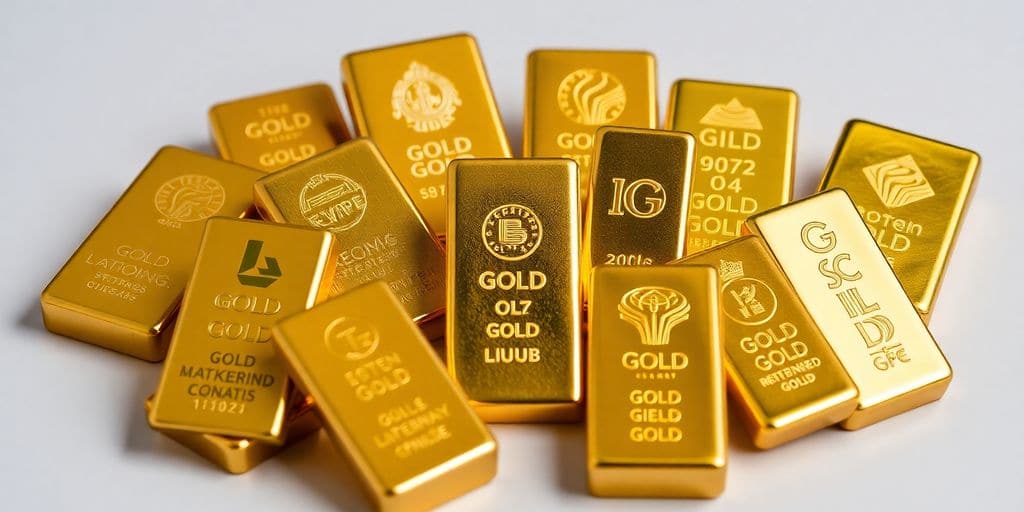
As Africa’s top gold producer, Ghana has sought to leverage bullion strength to stabilize its currency. The creation of GoldBod, a state-backed entity mandated to purchase gold from small-scale miners, was designed to formalize exports and reduce smuggling. By channeling more gold through official systems, authorities aim to bolster foreign exchange inflows.
In the third quarter alone, GoldBod exported over 25,000 kilograms of gold, marginally surpassing shipments from large-scale mining firms. These inflows contributed to improved reserve buffers, which helped cushion earlier volatility.
Yet even with record gold performance, cedi depreciation pressure has resurfaced. This underscores a key reality: commodity windfalls can support stability temporarily, but they do not eliminate structural dollar demand tied to imports and external payments.
Business Impact of Cedi Depreciation Pressure
For businesses, renewed cedi depreciation pressure carries immediate cost implications. Importers face higher local currency costs when settling invoices in dollars. Manufacturers dependent on foreign inputs may experience margin compression unless they adjust prices.
Export-oriented firms could benefit from a weaker currency, as their dollar revenues translate into more cedi income. However, the overall effect depends on the balance between imported inputs and export earnings.
Persistent cedi depreciation pressure also complicates financial planning. Companies may hedge foreign currency exposure or delay expansion plans amid uncertainty. In sectors such as energy and retail, pricing adjustments may follow quickly, transmitting exchange-rate shifts to consumers.
Household Consequences of Cedi Depreciation Pressure
For households, the effects of cedi depreciation pressure are often felt through inflation. A weaker currency increases the cost of imported goods, including fuel, food items, and household essentials. Although inflation has eased significantly compared to a year ago, sustained currency weakness could slow further disinflation.
The central bank’s earlier rate cuts were partly made possible by improved exchange rate stability. If cedi depreciation pressure intensifies, policymakers may adopt a more cautious stance, potentially affecting borrowing costs for mortgages and small business loans.
On the positive side, remittance-receiving households may benefit when foreign currency inflows convert into more local currency. Still, for the majority of consumers, higher import costs tend to outweigh such gains.
Policy Trade-Offs and Market Signals
The resurgence of cedi depreciation pressure presents policymakers with a delicate balancing act. On one hand, preserving foreign reserves is critical to maintaining investor confidence. On the other, excessive tightening of dollar supply could fuel parallel market activity.
Authorities must also consider the broader economic recovery. Aggressive interventions to defend the currency could constrain liquidity and dampen growth. Conversely, allowing unchecked cedi depreciation pressure risks reigniting inflation.
The interplay between gold exports, remittance flows, and disciplined fiscal management will shape the currency’s trajectory. Sustained reforms aimed at reducing import dependence and diversifying exports remain central to easing long-term vulnerability.
The return of cedi depreciation pressure does not necessarily signal a crisis, but it does highlight ongoing fragility in Ghana’s external position. Businesses will need to manage currency risk proactively, while households may adjust spending patterns in response to price shifts.
Ultimately, currency stability hinges on structural transformation. Expanding value-added exports, strengthening domestic production, and maintaining credible monetary policy are essential to mitigating recurring cedi depreciation pressure.
As 2026 unfolds, the resilience of Ghana’s macroeconomic framework will be tested. Whether recent reforms can withstand renewed dollar demand will determine if the cedi’s earlier recovery proves durable, or merely a temporary reprieve.