

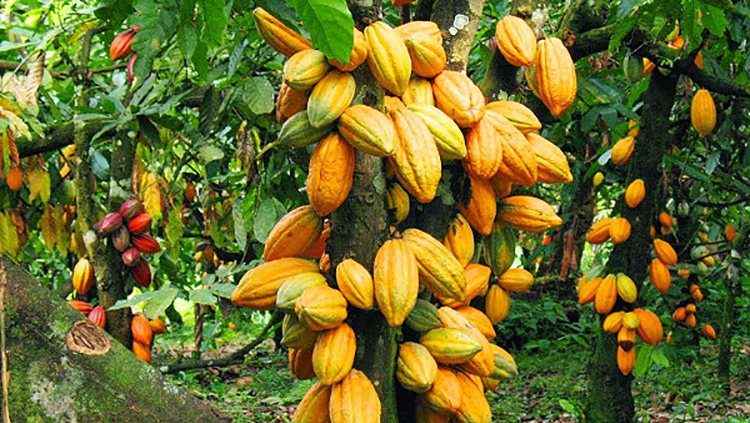
The sudden spike in Ghana cocoa prices has stirred debate across the agricultural sector, exposing vulnerabilities in how the country manages exchange rates, export contracts, and farmer payments. While the government’s decision to raise the producer price to GH¢3,625 per 64kg bag was presented as a boost for farmers, shifting currency dynamics have transformed the move into a complex financial challenge with ripple effects for exporters and households.
At first glance, higher Ghana cocoa prices in cedi terms should strengthen farmer incomes. However, cocoa is traded internationally in US dollars. With the Ghana cedi appreciating significantly against the dollar, the same local price now converts into a higher dollar cost for international buyers. This has effectively made Ghanaian cocoa more expensive on the global market, reducing its competitiveness at a time when global cocoa prices are already volatile.
Currency Dynamics and Ghana Cocoa Prices
The relationship between exchange rates and Ghana cocoa prices illustrates how macroeconomic policy can shape commodity markets. When the cedi strengthens, export commodities priced locally become more costly for foreign buyers. Without hedging or forward sales agreements to lock in favorable international prices earlier, exporters are exposed to sudden shifts in currency value.
In this case, the absence of forward contracts means COCOBOD must sell cocoa at prevailing market rates while paying farmers a fixed producer price in cedis. As international buyers scale back purchases due to elevated dollar costs, export revenues slow. The strain on cash flow becomes immediate, affecting the agency’s ability to settle payments with Licensed Buying Companies and, ultimately, farmers.
Impact of Ghana Cocoa Prices on Farmers and Households
For cocoa-dependent households, the consequences of fluctuating Ghana cocoa prices are tangible. Delayed payments disrupt household budgeting, school fee planning, and farm investment decisions. Even when nominal producer prices rise, the benefit can be offset if marketing inefficiencies delay access to funds.
Rural economies that revolve around cocoa farming also feel the effects. Input suppliers, transport operators, and local traders depend on consistent payment cycles. If export bottlenecks slow the flow of money, these interconnected businesses experience reduced activity. In this way, elevated Ghana cocoa prices that appear beneficial on paper can paradoxically weaken liquidity across farming communities.
Business Implications of Rising Ghana Cocoa Prices
For international buyers and processors, higher Ghana cocoa prices raise procurement costs and influence sourcing decisions. Companies may shift purchases to alternative origins if Ghana’s cocoa becomes comparatively expensive. Reduced demand not only affects export revenue but can also weaken Ghana’s long-standing reputation as a reliable supplier.
Domestic agribusinesses are equally affected. Licensed Buying Companies rely on predictable export proceeds to finance operations. When global buyers hesitate, LBCs may face working capital shortages. This uncertainty complicates planning for the next crop season and can discourage private investment in storage, logistics, and processing infrastructure.
The broader private sector also monitors Ghana cocoa prices closely because cocoa exports contribute significantly to foreign exchange earnings. Reduced export inflows can influence currency stability, inflation expectations, and government fiscal space. These macroeconomic linkages demonstrate that cocoa pricing is not an isolated agricultural issue but a national economic concern.
Lessons from Ghana Cocoa Prices Volatility
The current episode highlights the need for risk management strategies in commodity marketing. Hedging and forward sales mechanisms help stabilize revenue by locking in favorable prices before market conditions shift. Without these tools, fluctuations in Ghana cocoa prices and currency movements can create revenue mismatches that strain institutions and farmers alike.
Transparency is another critical factor. Clear communication about the drivers of rising Ghana cocoa prices and payment delays can reduce speculation and restore confidence among stakeholders. Farmers, buyers, and investors require predictable frameworks to make informed decisions.
Balancing Competitiveness and Farmer Welfare
The policy dilemma lies in balancing attractive producer prices with international competitiveness. If Ghana cocoa prices are set too high relative to global market conditions, demand may falter. If set too low, farmer livelihoods suffer. Achieving equilibrium requires coordinated currency management, strategic hedging, and market-sensitive pricing decisions.
Ultimately, the surge in Ghana cocoa prices serves as a reminder that commodity markets operate within interconnected financial systems. Exchange rates, global demand, and risk management practices collectively shape outcomes for businesses and households. For Ghana, sustaining its cocoa sector will depend on aligning producer incentives with global competitiveness while safeguarding the economic stability of farming communities.